Category Archives: Word of the Week

Word of the Week – Week #8

Hello and welcome.

This week our word is Menagerie. According to Merriam Webster menagerie means:

1a: a place where animals are kept and trained especially for exhibition

b: a collection of wild or foreign animals kept especially for exhibition

2: a varied mixture

They also note: “Back in the days of Middle French, ménagerie meant “the management of a household” or farm or “a place where animals are tended.” By the 1670s, English speakers had adopted the word but dropped its housekeeping aspects, applying it specifically to the places where circuses and other exhibitions kept show animals. Later, the word was generalized to refer to any varied mixture, especially one that includes things that are strange or foreign to one’s experience.”

Menagerie is a word I’ve used a few time in recent weeks to describe our household and it’s members. Before January of this year the term had never crossed my mind, but it was sometime during that month that Peanut came to stay.

You may remember Peanut, the cat, who had become a regular visitor at our farm over the past couple of years. Well in January my husband and Peanut decided that outdoors and out-buildings were not suitable winter accommodations for him. So with some rules in place (which he mostly follows) it was decided that he could reside in our home.
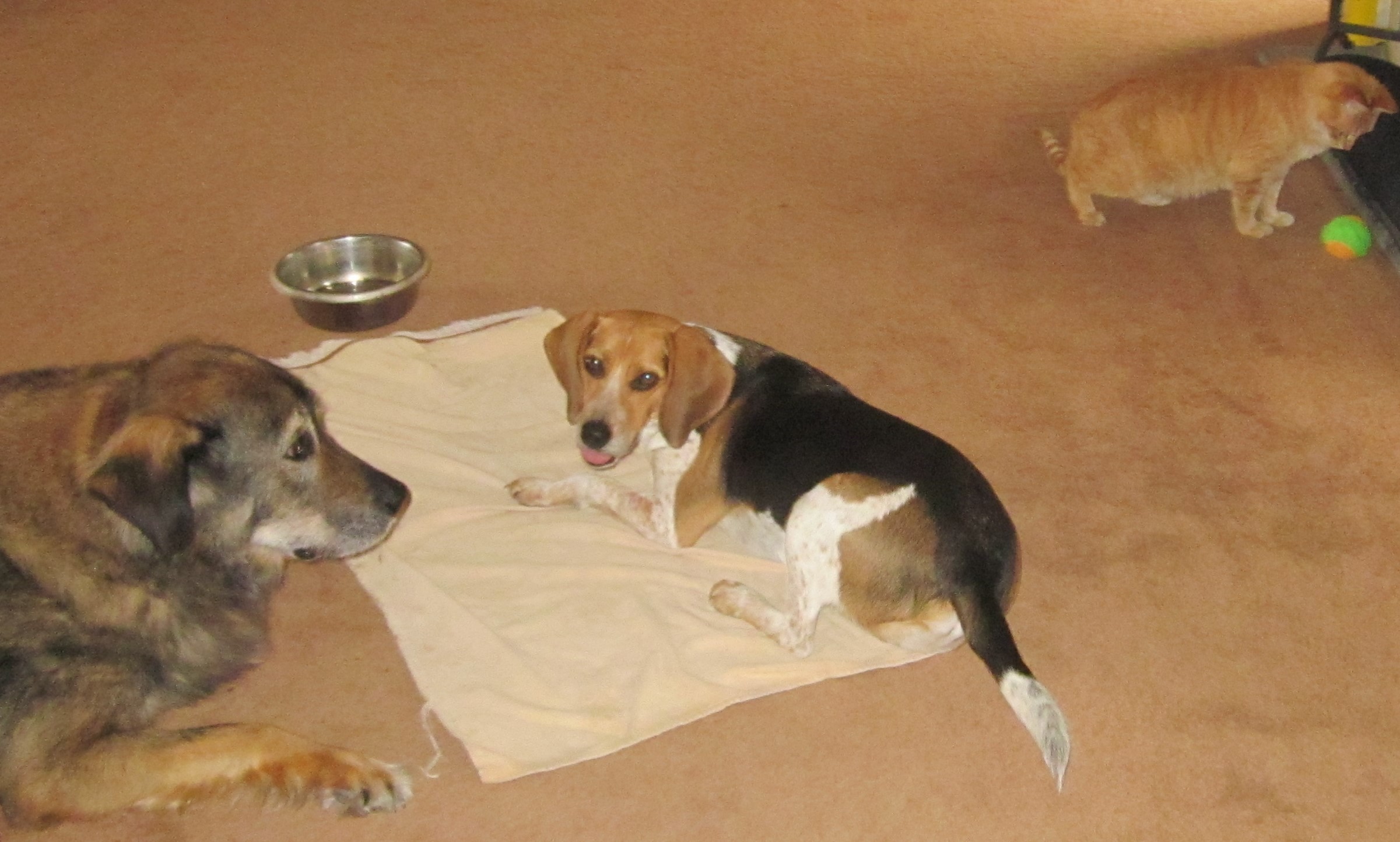
Meet Our Menagerie

Word of the Week – Week 7

Hello My Friends and welcome.

Our word of the week is Always. Merriam Webster has 3 definitions listed for the word Always. They are: 1. at all times invariably, 2. Forever, 3.at any rate in any event.

I can’t help but wonder how the events of the past year have changed or will change the use of this word. So many things that, always (using the first definition) happened, suddenly came to a halt.

The person who always got to the office early to start their work day could no longer go to the office. The school bells that always rang at 8:00 a.m. to signal the start of classes were no longer heard. People who always went to church on Sunday could no longer congregate. Holiday gathering that always took place didn’t and the person who was always smiling wasn’t. We will be hesitant to think in terms of always?

Perhaps it will be more commonly used in terms of the third definition. The person who can’t go to the office can always work remotely; the children who can’t attend school can always attend virtual classes; if we can’t hold regular church services we can always have them online, and she can always wear a smiley mask. But are these thoughts or statements even accurate? Should we feel secure that some of the these new methods of doing thing will Always work.

I don’t know. These are just some of my thoughts as I read the definitions of this word.

The real reason I selected this word is because it is a word that my husband and I have used often. It is the second definition, forever, that we use and we use it to affirm our love and our commitment to our marriage. This week as we start into our 15th year of marriage I thought I would dedicate our word of the week and the rest of this post to my husband.

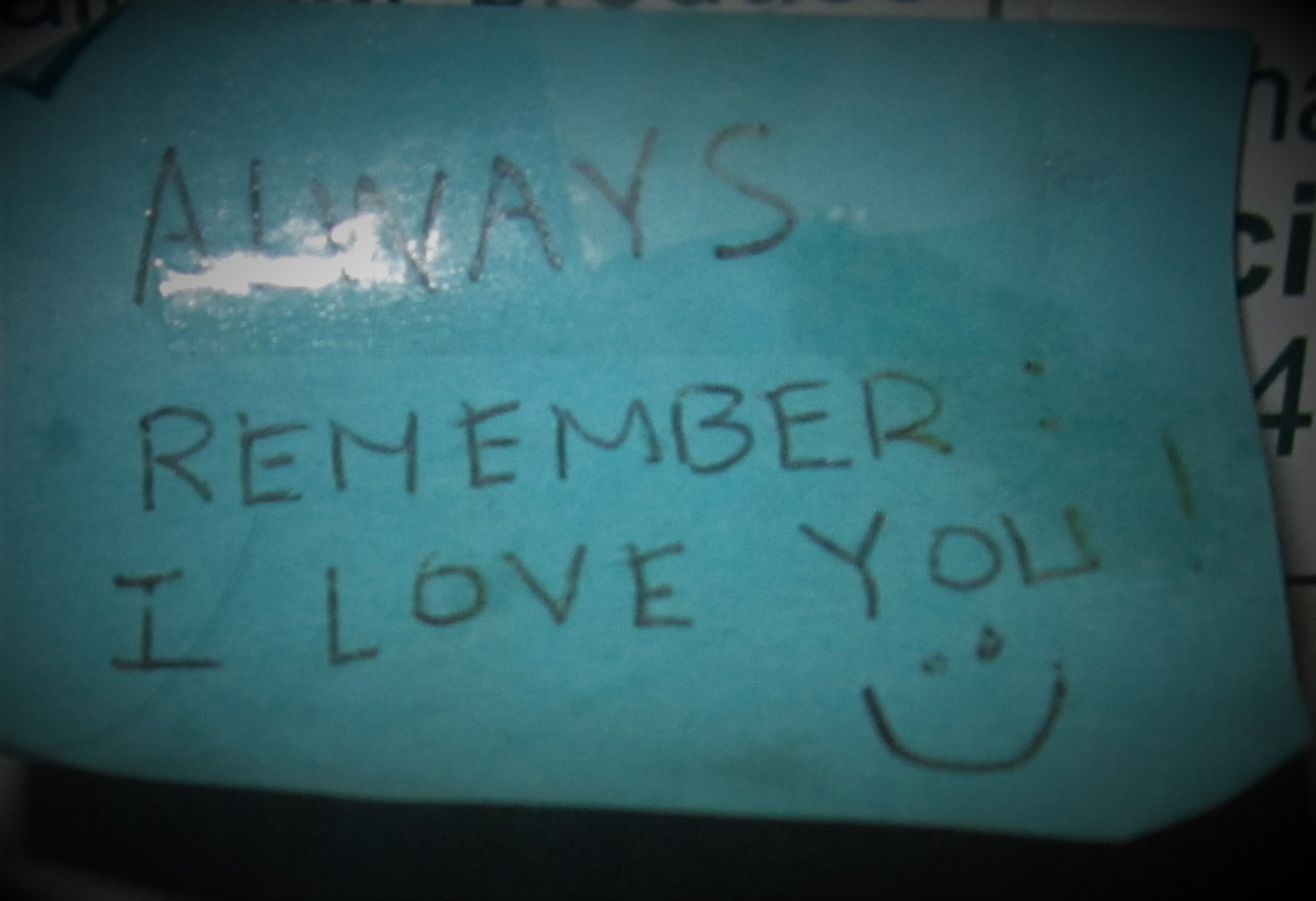
This small sticky note is attached to the calendar in our kitchen. It reads “Always Remember I Love You! :)” My husband left this note for me in December 2014. Each year as we hang a new calendar we attach this note to it.

A couple of songs dedicated to him.

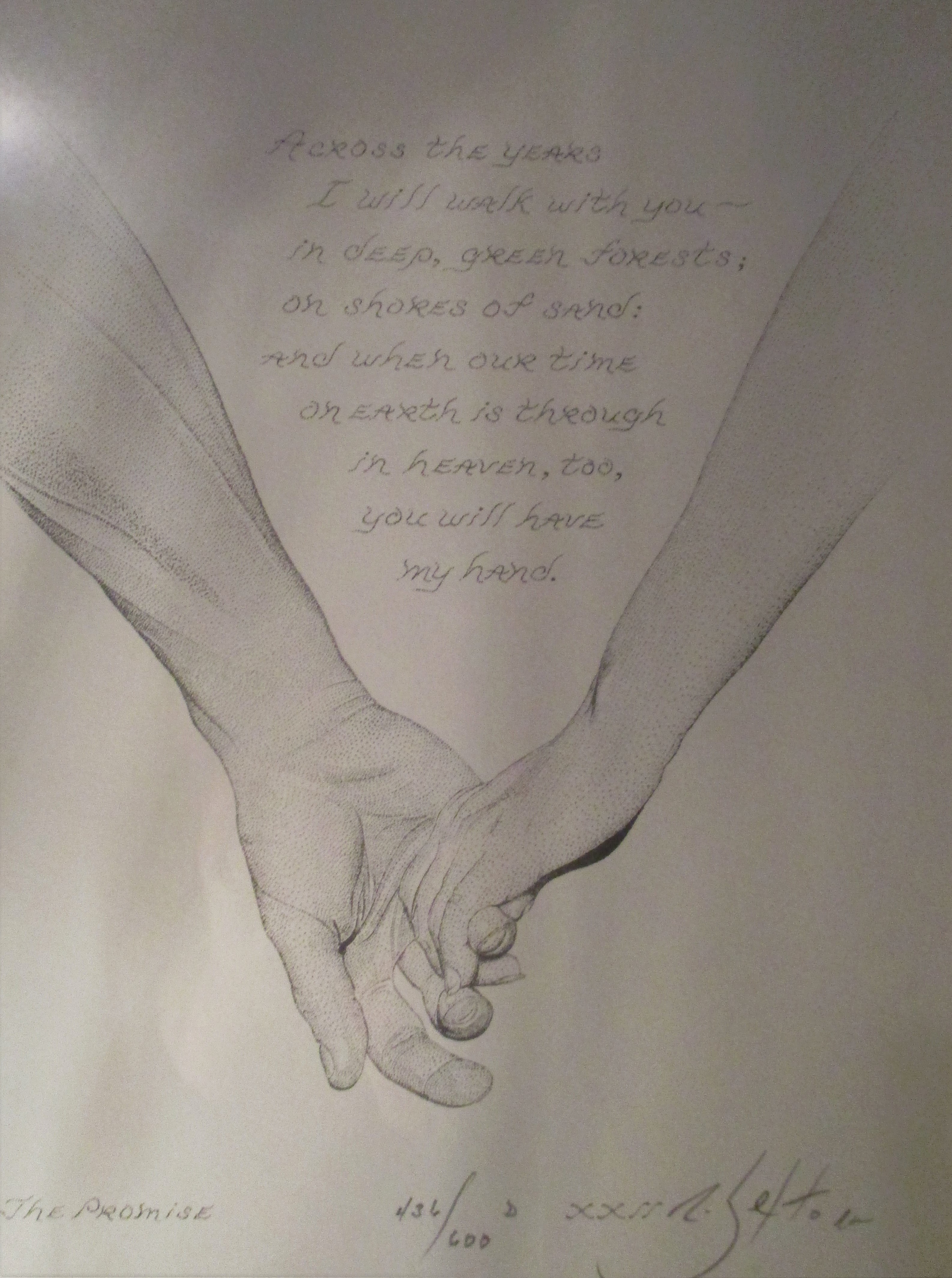
This beautiful print that he bought me years ago hangs in our bedroom and although it doesn’t use the word Always the sediment is clear.

Happy anniversary sweetie. I Love You – ALWAYS❣

Word of the Week – Week 6

Our word of the week is Compassion. This word, or the idea of it, has come up several times in the last week in both things that I have been reading and music that I have been listening to so I decided I needed to share it with you.

According to Merriam Webster Compassion is a sympathetic consciousness of others’ distress together with a desire to alleviate it.

Compassion is what makes us hug a friend who is grieving; compassion is what prompts us to take in that stray dog or cat or adopt a pet from an animal rescue; and it’s compassion that drives us to donate food, clothing or money to a food pantry or homeless shelter. It is responsible for many acts of kindness and love. Compassion seems a normal response when the “distress” is apparent, but what about when it’s not?

We, humans, tend to take things at face value and things, that may trigger a compassionate response if we had more information, might be met with anger or other such negative emotions.

Let me give you a couple of examples.

Example 1: How would you feel if you spoke to someone who was walking past you and they just kept on walking, never even acknowledging you? Would you think them rude? Feel slighted? Disrespected? Offended?

Now would you feel differently if you knew that I am deaf in my left ear and that I simply didn’t hear you? (Yep that person was me.)

Example 2: How would you feel if you were a cashier in a busy grocery store and you noticed a person standing in your line just shaking their head? Would you see someone who was impatient? Who was perhaps disgruntled because they had to wait or something else that occurred during their shopping experience? Would you feel defensive?

Now would you feel differently if you knew I (it’ me again) had a neurological condition that caused my head tremors? That my head shaking was incontrollable movements and at times I don’t even realize it is happening?

It is impossible for us to know all of the issues surrounding every situation. So what can we do? How can we offer compassion when we are not aware that it is warranted?

My best suggestion is to be slow to react to such situations. Ask questions even if in your own mind and if you are unable to gain more knowledge and understanding perhaps you can at least give the person/situation forbearance. I try to keep in mind that I have not walked in anyone else’s shoes.

Whoever is slow to anger has great understanding, but he who has a hasty temper exalts folly. Proverbs 14:29

Word Of The Week – Week 5

Wow! It’s February ALREADY!

Let’s get it started with our word of the week. This week’s word is Mulligan.

This word was inspired by Groundhog Day. Not so much the holiday that we celebrate each year on February 2nd, but the 1993 movie in which Phil (Bill Murray), a weatherman, is out to cover the annual emergence of the groundhog from its hole. He gets caught in a blizzard that he didn’t predict and finds himself trapped in a time warp. He is doomed to relive the same day over and over again until he gets it right. A great movie.

Now in golf terms the word Mulligan is defined as a do-over. (You can see GolfDigest’s explanation here.) Phil, in the movie, got several do-overs.

However, life is not like a game of golf – there are no mulligan’s and it is even less like the movie Groundhog Day. We just don’t get do-over’s. Consequently we often find ourselves regretting something we’ve said or done or perhaps something we have not done. I was pondering how it is that we can avoid living a life full of regrets. Here is what I came up with:

  1. Strive to make good decisions. Think before we speak or act.
  2. Realize that experience is the best teacher. When we learn from our mistakes it then becomes a valuable lesson. Thus we learn from our mistakes.
  3. Admit our errors to ourselves and be willing to forgive ourselves.
  4. Admit our errors to others who we may have hurt and make apologies/amends.
  5. and certainly seek God’s forgiveness when warranted.

P.S. Regardless of the groundhog’s prediction spring is coming. 🙂

Word of the Week – Week #4

Our word of the week is eccentric.

According Merriam Webster Eccentric means:

deviating from conventional or accepted usage or conduct especially in odd or whimsical ways.

or

deviating from an established or usual pattern or style.

I love the idea of being eccentric. It is our eccentricities that define our individuality. I think that most of us have some degree of eccentricity but many people lack the confidence to embrace it. Instead they sacrifice their true selves in order to impress others and conform to society’s standards.