There were so many things in August that I wanted to write about but didn’t – this is my catch-up post.
Weather
The rainy streak that we had in July continued into August as our gardens continued to flounder. We were blessed that we didn’t get any of the severe weather, tornadoes, high winds, and hail, that other parts of our state experienced. We also did not have any power outages. We didn’t have our super-hot “dog days” of summer that we normally have in August, but we are having them now. Yesterday was hot and today, September 4th, we have reached 95 degrees Fahrenheit with a “feels like” temperature of 103 Fahrenheit. This weather is supposed to stick around for another day or two but today will be the hottest. A good day to spend indoors with the air conditioning on and writing to you all.
Back to School Shopping
It’s been about a decade since I’ve done back to school shopping (my youngest daughter graduated in 2014) but when Tina mentioned that they had received school supply lists from Jackson’s and Addie’s teaches I thought maybe I could help out by buying what they needed for school.
It was like stepping back in time when I walked into the same store where I bought school supplies the last few years my girls were in school, and saw all the notebooks, folders and others school supplies steeply discounted for their big back-to-school sale. I was flooded with fond memories.
The lists for a kindergartener and a first grader varied greatly from that of the high schoolers that I last shopped for. I bought crayons instead of highlighters and red and black pens, and safety scissors and glue sticks replaced the multitude of three ring binders with dividers and spiral notebooks. Hand sanitizer and Clorox wipes, items I would think should be supplied by the school, are now a priority.
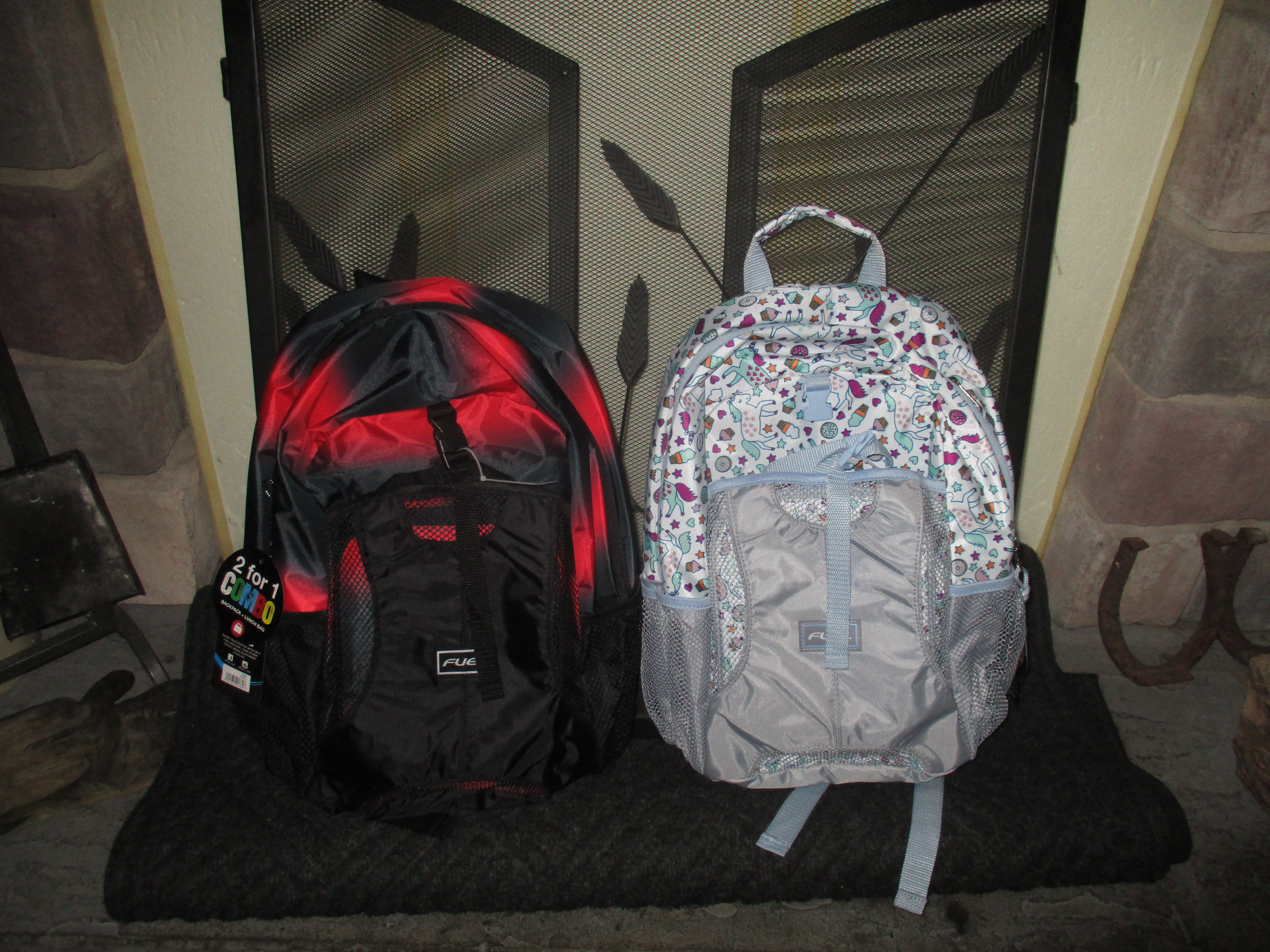
Jackson and Addie started back to school on Monday and I saw a picture of them walking into school with the new backpacks I bought attached to their backs. That made me smile.
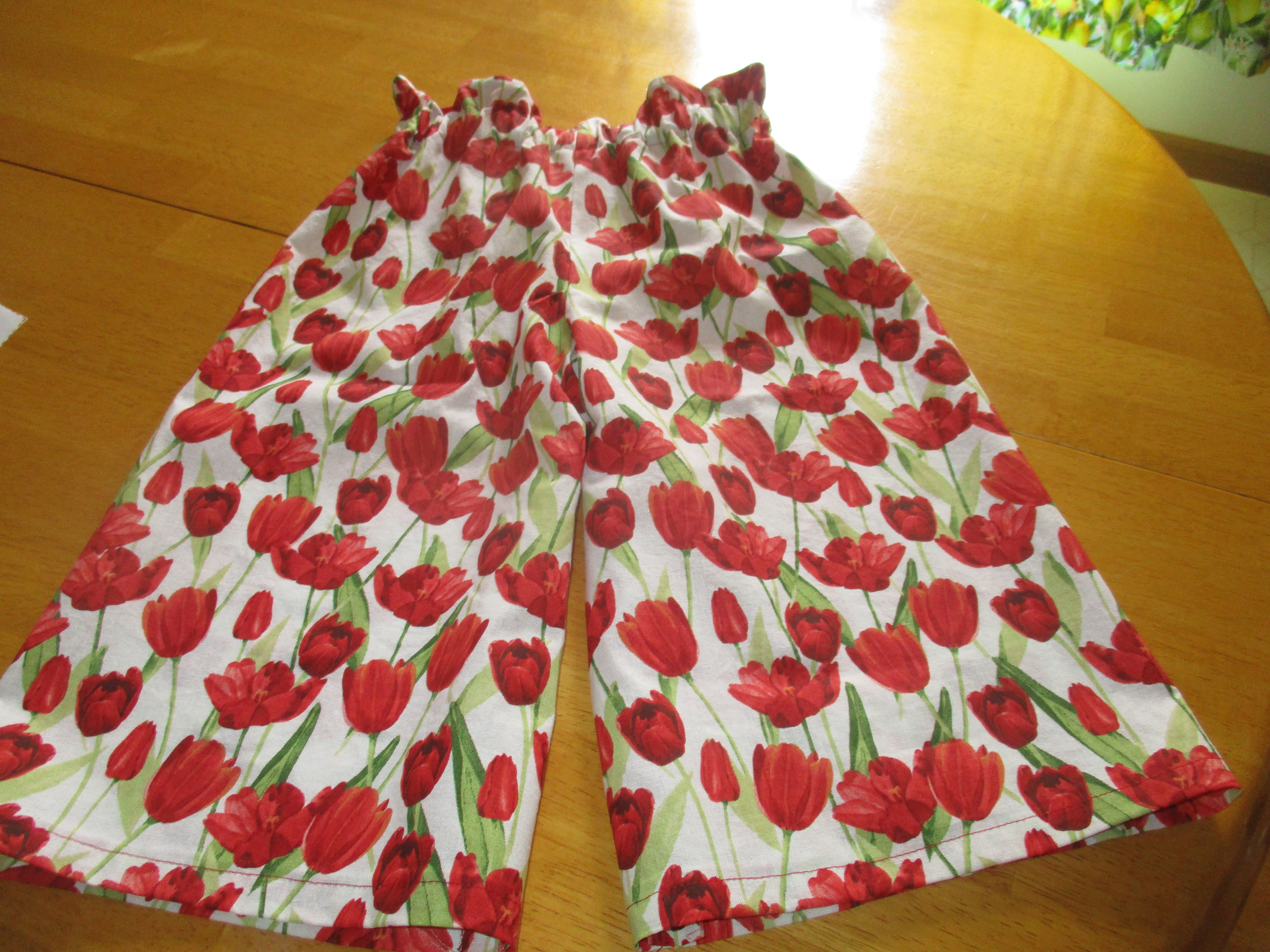
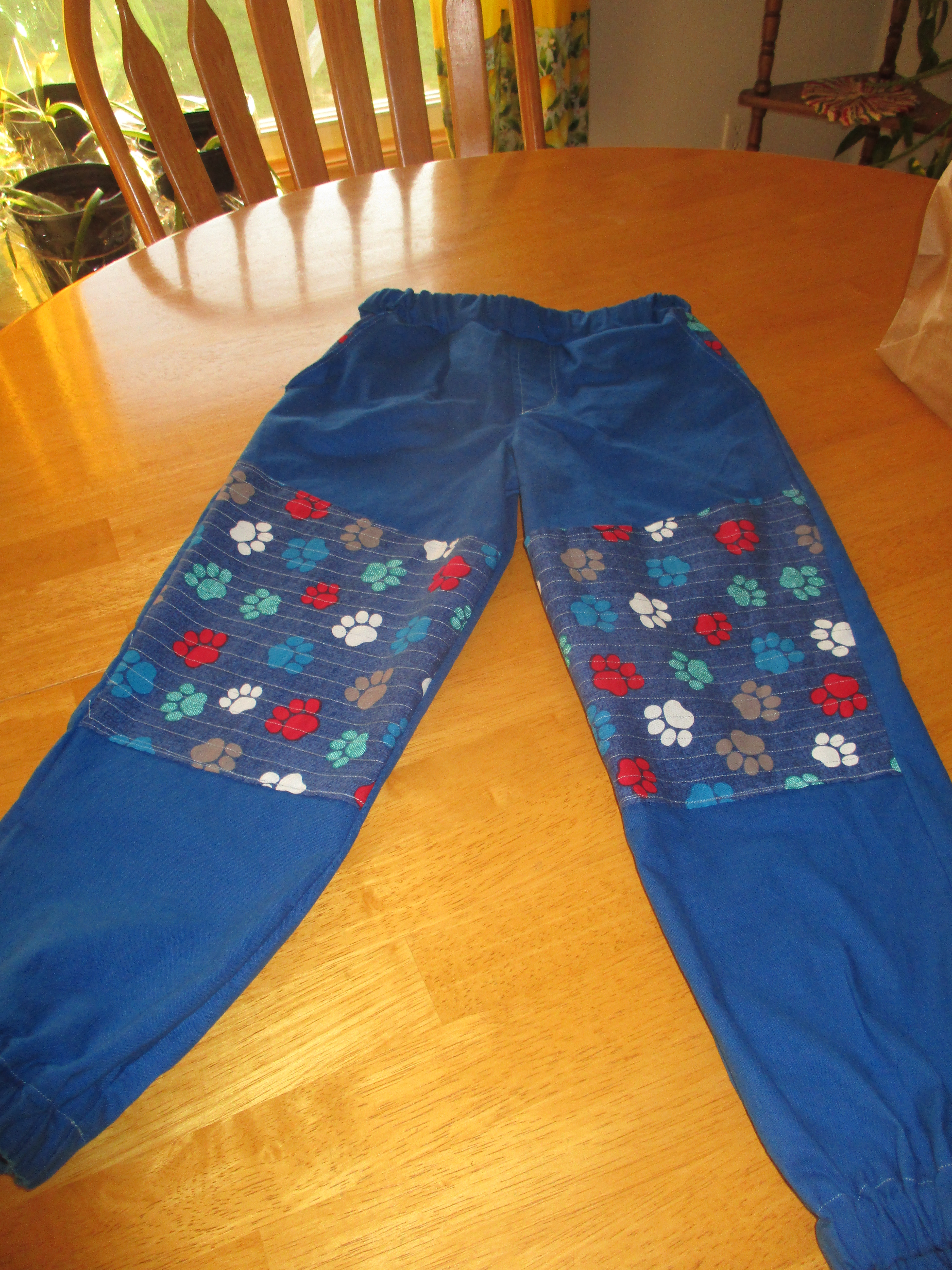
I also made them each a new pair of pants. I had planned to make the t- shirts to match but time got away from me, and I have not got around to making the shirts.
Books
Oure local library had a used book sale in August. When we walked in they handed me a plastic grocery bag and said that it was $2.00 for whatever fit in the bag. I ended up with two bags full, about 20 books for $4.00. That should keep me in reading material through the winter. My husband found a partial set of Audubon Nature Encyclopedias. They were printed in 1964 and were a first printing. It was the first 5 books in the set (A through IN) they have some lovely photos and illustrations and will make for some interesting reading. He paid $1.00 for the set of 5. Now that’s my kind of shopping! 🙂
I wonder if I should start doing some book reviews or at least some recommended reading posts. Several of the bloggers I follow do book reviews but is that something you would be interested in hearing from me?
Like Winning the Lottery
One afternoon as I was getting up from my recliner I happened to see something sparkle on the floor in front of my husband’s recliner. I didn’t think much of it at the time other than to remind myself that I really needed to do some vacuuming. A short time later I happened to glance down and notice that the diamond was missing from my wedding ring. At first I started to panic. Then I remembered the sparkle that I had seen on the floor. How it ended up there I’ll never know but indeed it was my diamond. (Angels perhaps?)
I just can’t imagine, of all the places it could have ended up, what the odds of it ending up there and me noticing it are, but it has to be at least equal to winning a million or more in the lottery. Though the monetary value of the stone is nowhere near that of a million-dollar winning ticket, I don’t think I would have been happier if I had won the lottery.
After two weeks at the jewelers my ring is back on my finger and as good as new. 🙂
Canning
In early August I mentioned to my husband that peach season would be coming up soon and I wanted to get another half bushel to can this year. Not wanting to miss out my husband called the orchard where we got our peaches last year and found out that they had quarts and pecks but would have large amounts later that week. Early the next week I knew I would have time to can peaches so on that Tuesday my husband went to the orchard and picked up a box. As it turned out they needed a few days to ripen so I ended up waiting until Friday. I canned 21 pints of peaches and made 7 1/2 pints of peach jam. They taste like summer in a jar – oh so good!!!
In addition to the bread and butter pickles I made last month we had enough cucumbers for me to make 5 more quarts of garlic dill spears. Since I still have pickles left over from last year we will have more than enough to get us through the year.
I finished up last week canning 14 quarts of tomato sauce. I also have 5 gallons of tomatoes in the freezer waiting to be made into sauce. Since I still have some juice left over from last year we decided to share our abundance of tomatoes with our neighbor who was also doing some canning. God is good!
Garlic
The garlic that was harvested and hung in the barn in mid-July was finally ready to be cleaned.
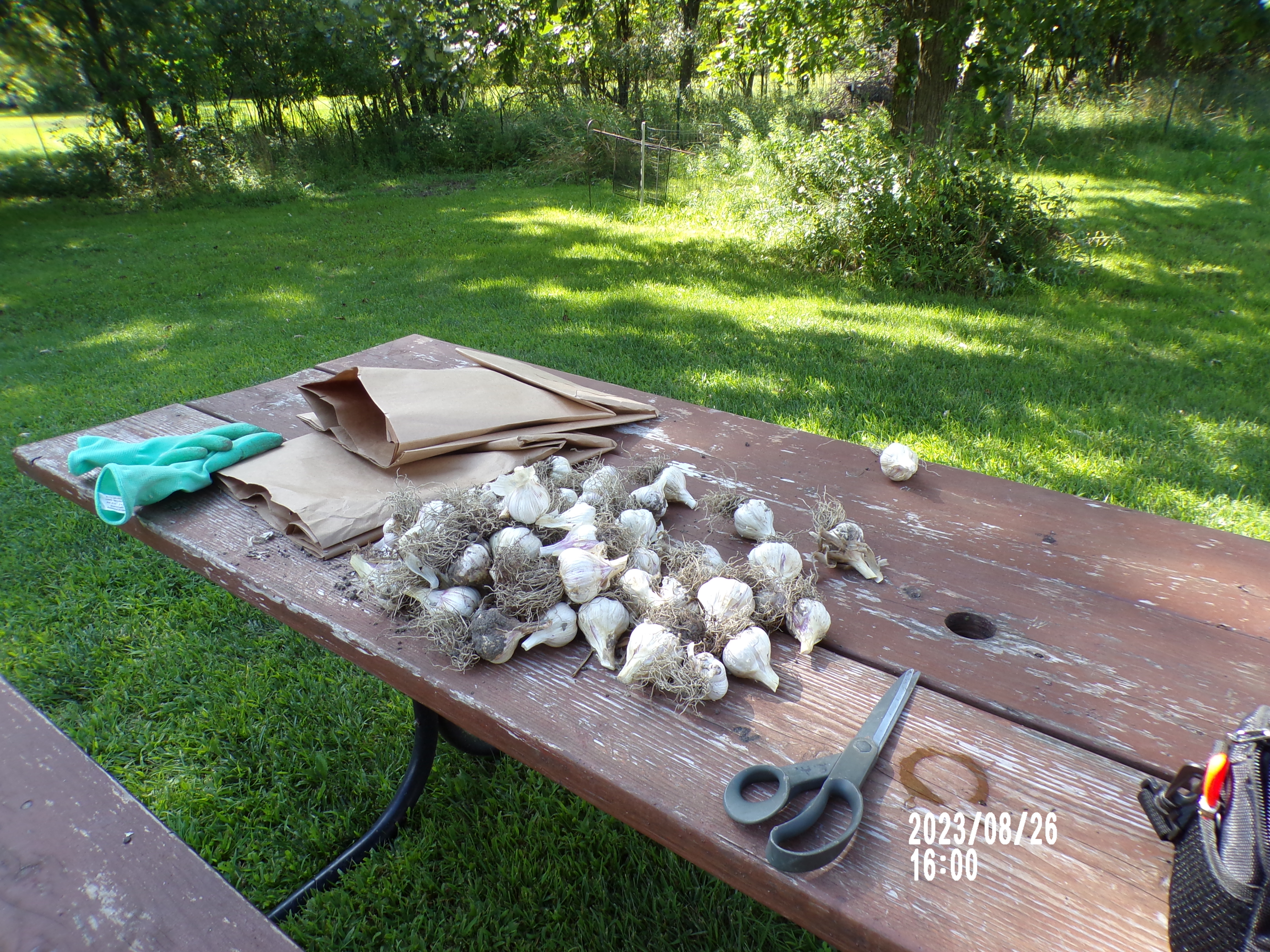
It took me about 4 hours over the course of two days to clip and clean the approximately 330 bulbs this year.
Twist and Turns
I mentioned in my previous post that life had taken some twists and turns and I know some of you might be concerned over such an ambiguous statement. I apologize and assure you that we are well. We have, however, started exploring our options for building a house at the farm. We are mostly in the research stage – gathering the information that we need to make decisions. I do think this is going to be a long process and pray that it will be a good experience.
Don’t be surprised if someday in the future you see a house in the background of this photo.

Thanks for visiting!






 Don't Eat It! Soap and Skin Care