Category Archives: Birds

The Week in Pictures

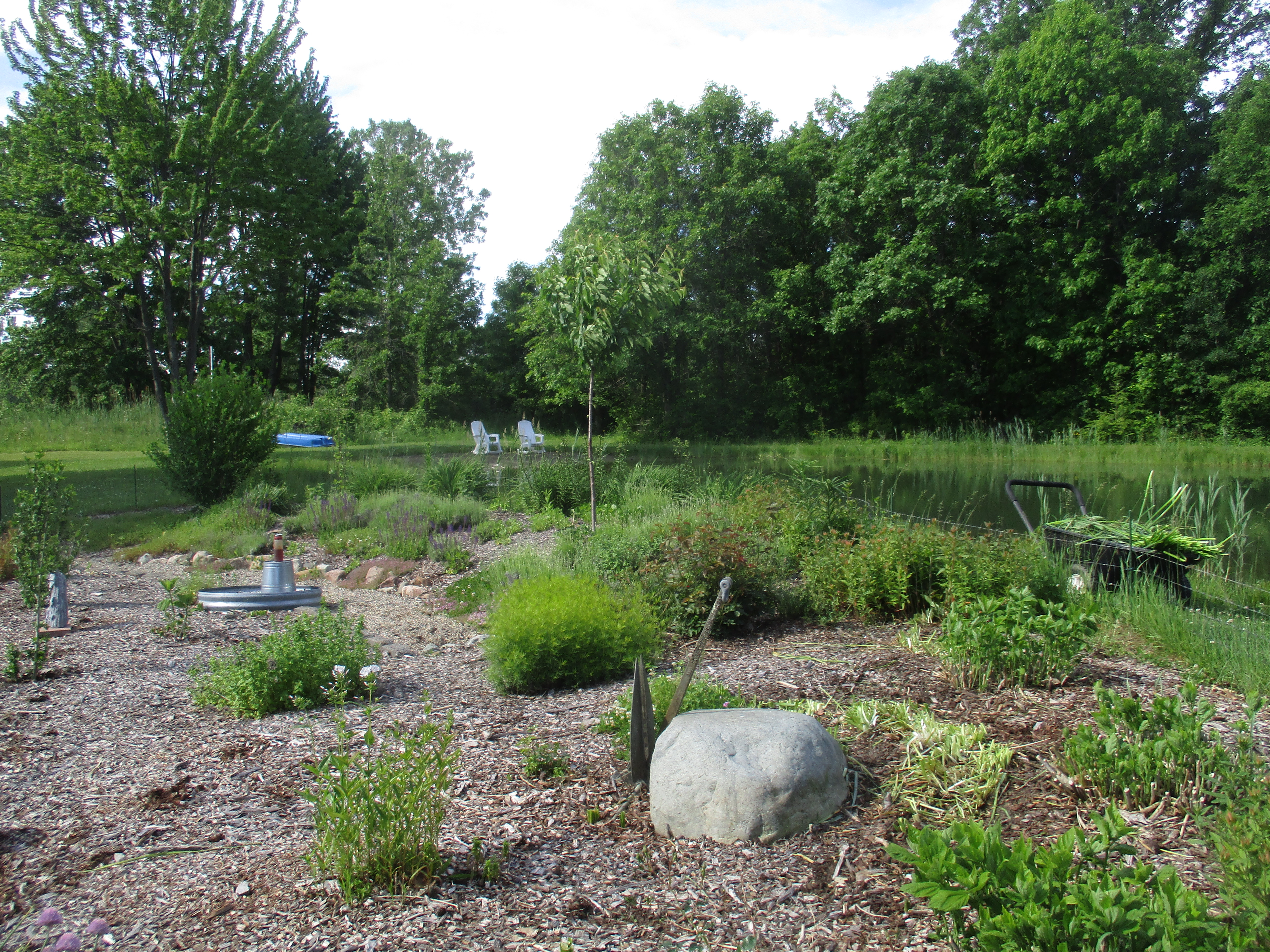
It seems like we have been waiting forever for the weather to get nice and now, all of a sudden, we have so much that needs to be done mowing, planting, weeding and more.

Missed Shots

Monday morning when we got to the farm I started on my walk with camera in hand. I began taking pictures of flowers in bloom only to realize that my camera battery was dead. The pictures would have to wait until later that day.

After my walk I began mowing grass being careful, as I normally am, not to run over any bees that were foraging in the dandelions. It may slow me down a bit but to me it’s worth it. I was mowing in the area near the gardens when I notice an adult killdeer running around, then as I looked closer, I saw the four babies. I’m sure they were only about a day old but I’m not sure where the nest was. At least it wasn’t in our driveway this year. I didn’t have my camera but was fairly certain they would be around later.

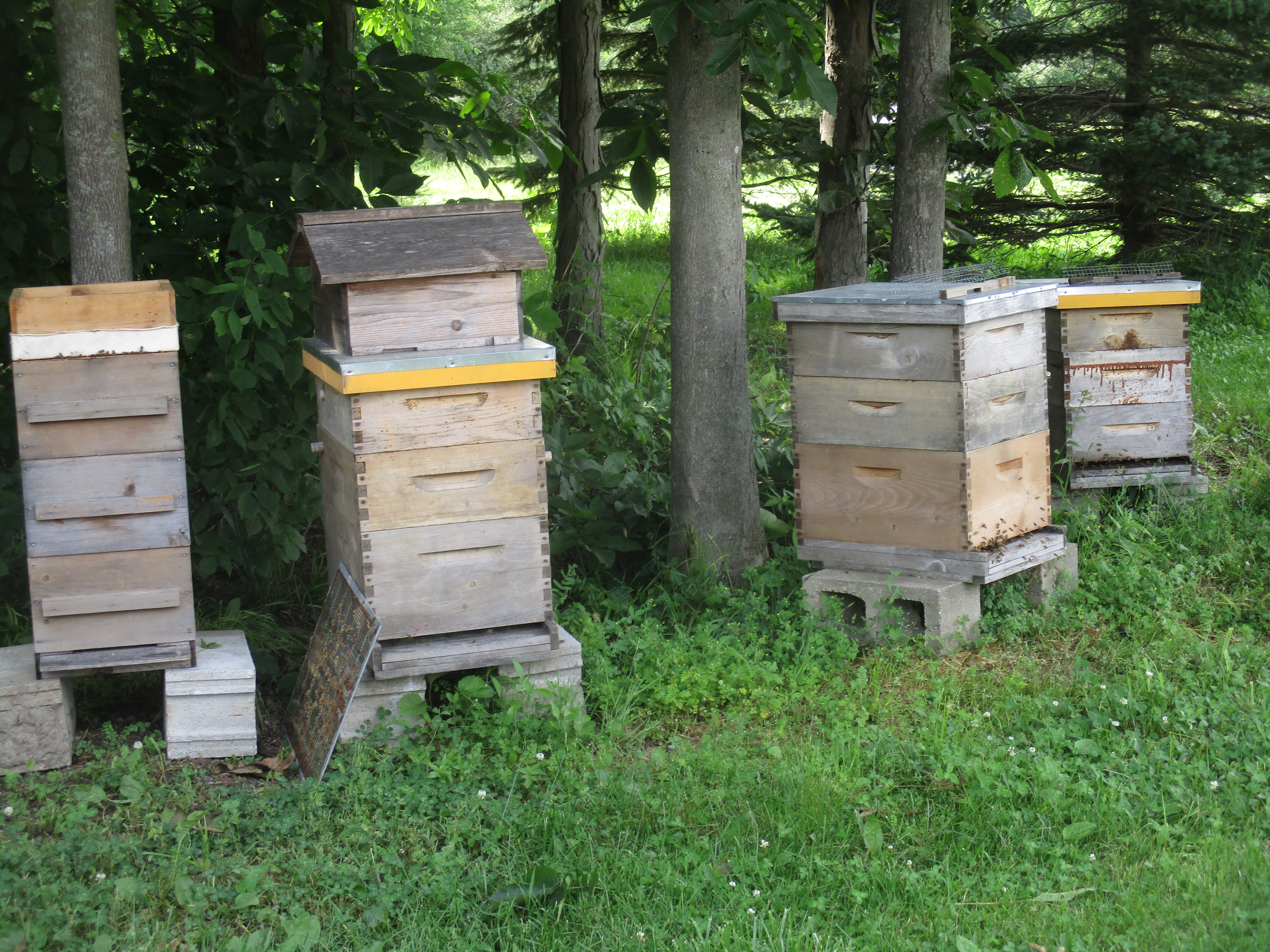
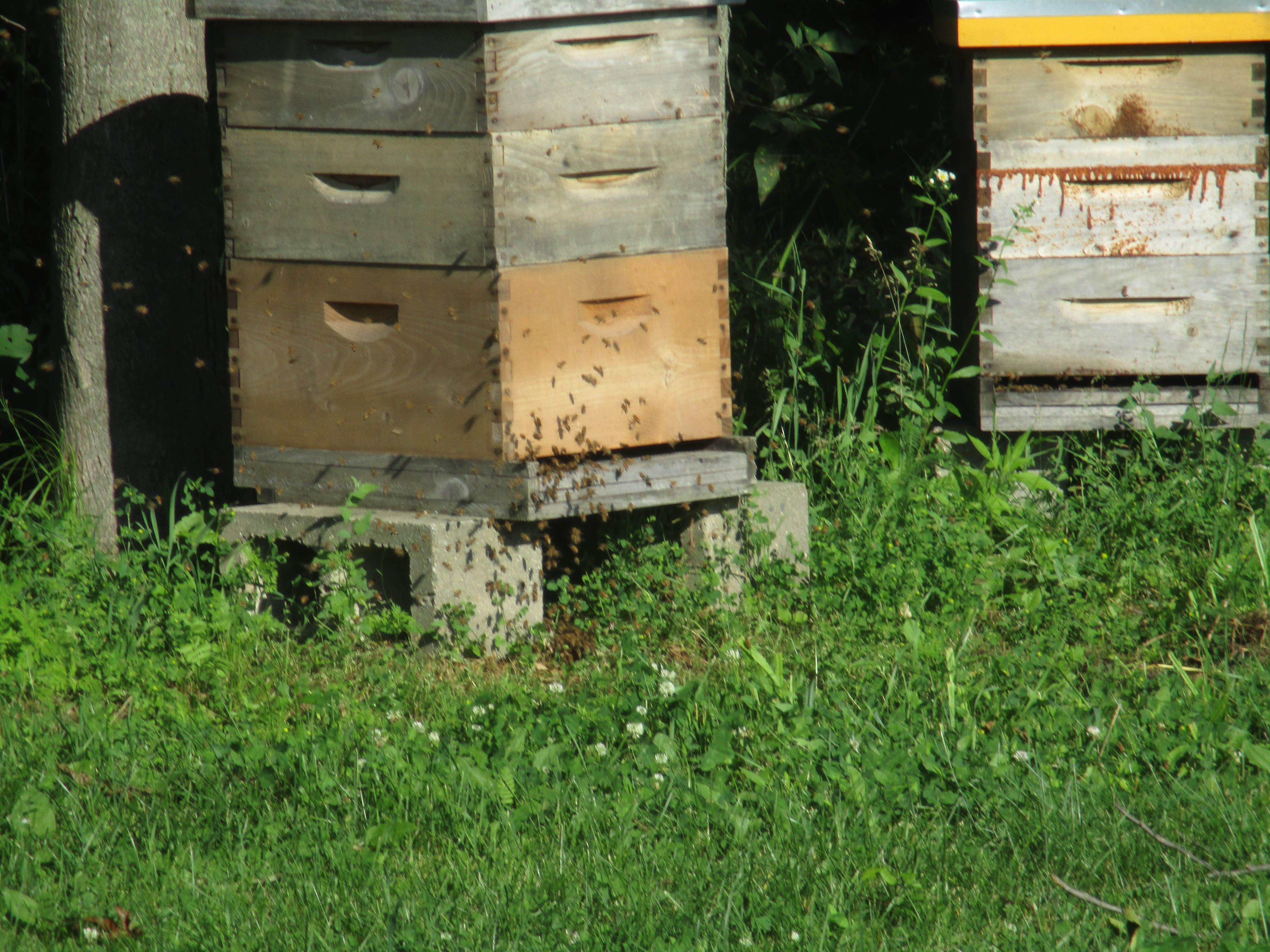
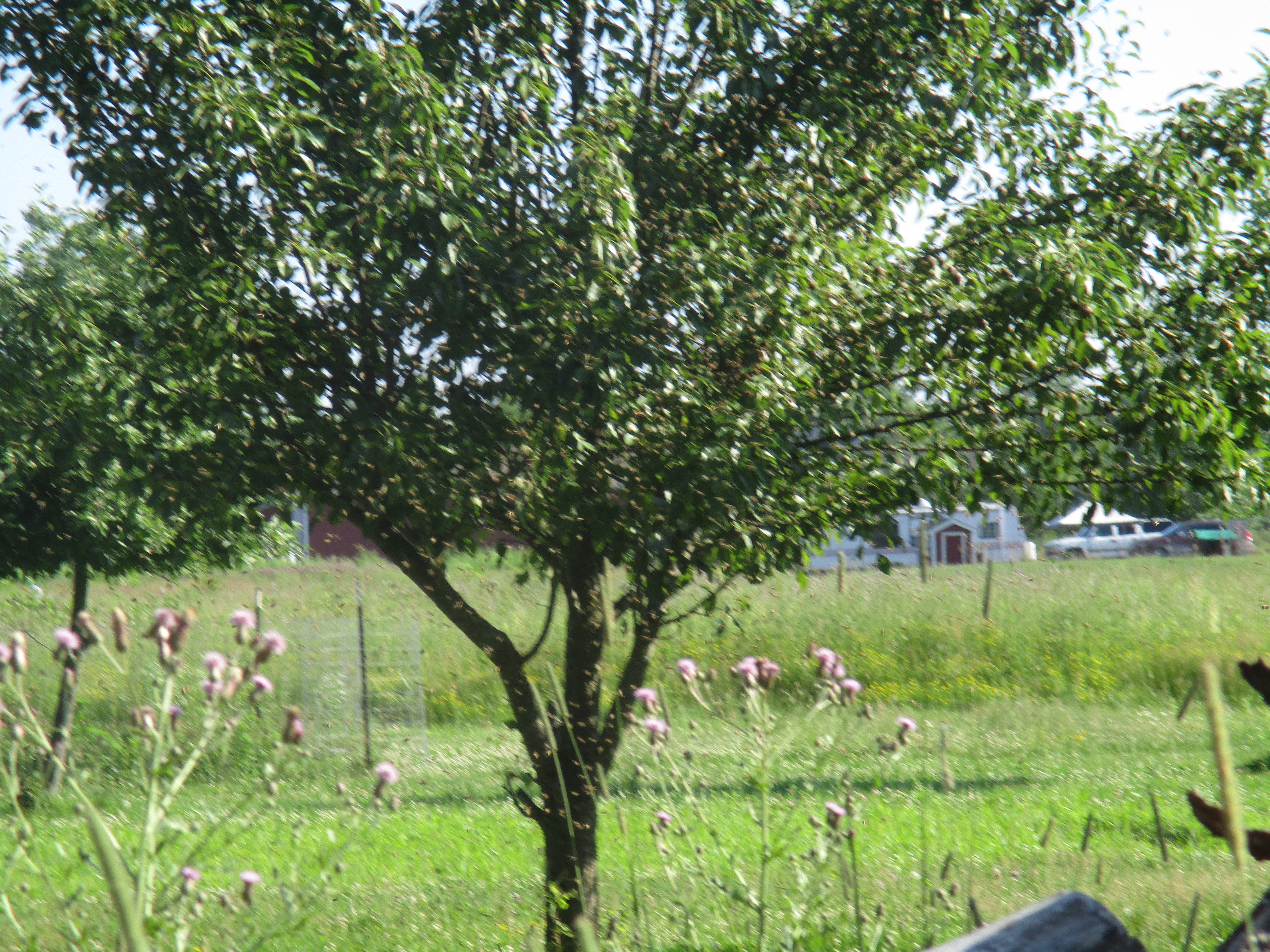
Not long after that, I was mowing not far from our beehive when I noticed that the bees were swarming. This is when I regretted not having my camera available. This is something you don’t see very often, and it is a sight to behold. Thousands of bees swarming outside of the hive. Keep in mind, if you ever see a swarm of honeybees, they are not a threat. They are in transition from one home to their next home and at this point their main objective is protecting their queen.

My husband and I kept an eye out to see where they landed, because he wanted to capture the swarm and put them in our empty hive if possible. They landed in a great location in a nearby spruce tree at a height where he could reach them. After lunch he went back to the farm alone (I stayed home with the dogs) and captured the swarm. Since I didn’t get any pictures of the swarm or him capturing it, I will refer you to this post from 2017 when he did the same thing.

It really was a gift having this hive swarm and being able to start a new hive with these bees since these bees were able to survive this past winter.

Now for some of the pictures from the week.

Nature

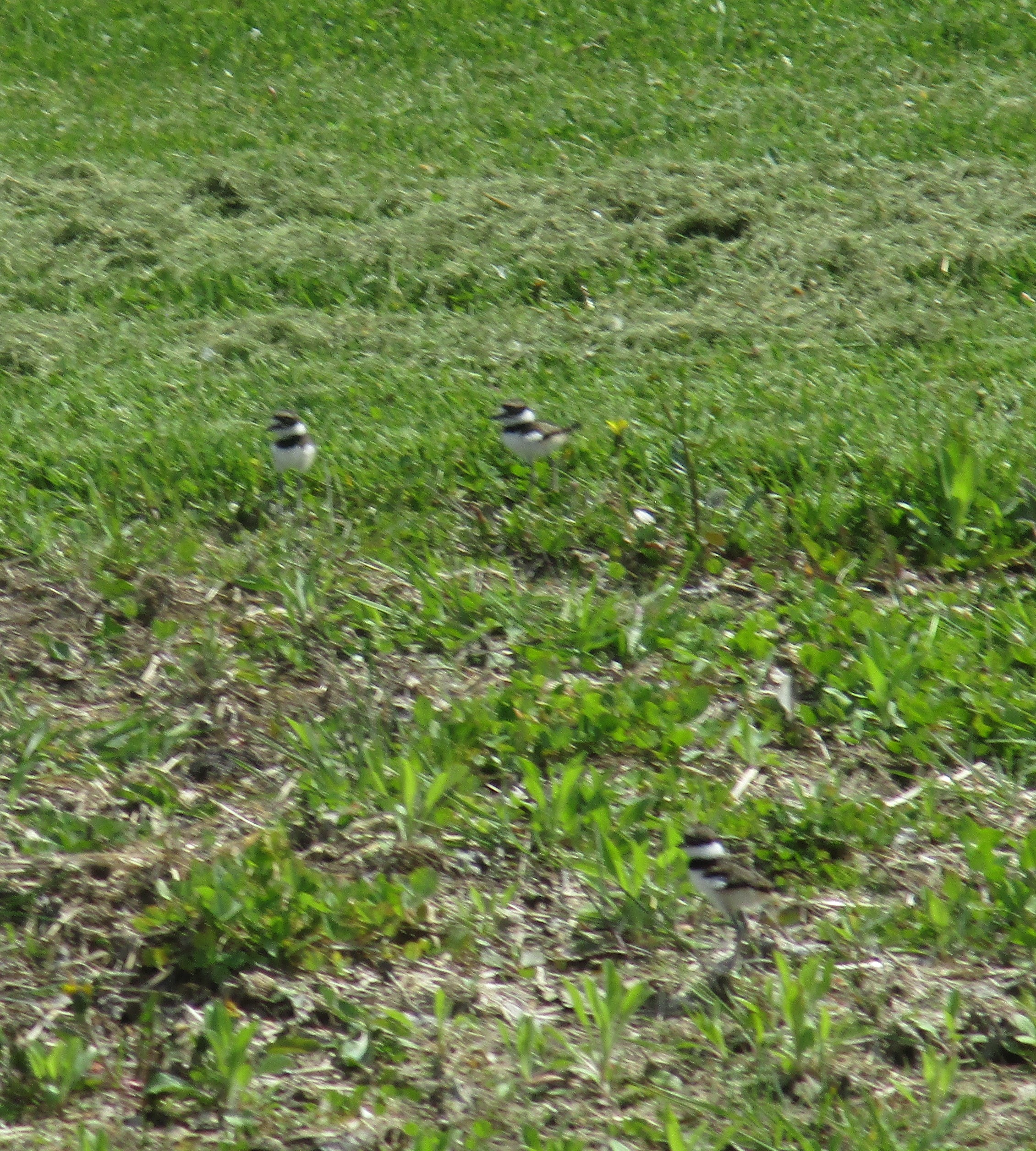
Three of the four baby killdeer.

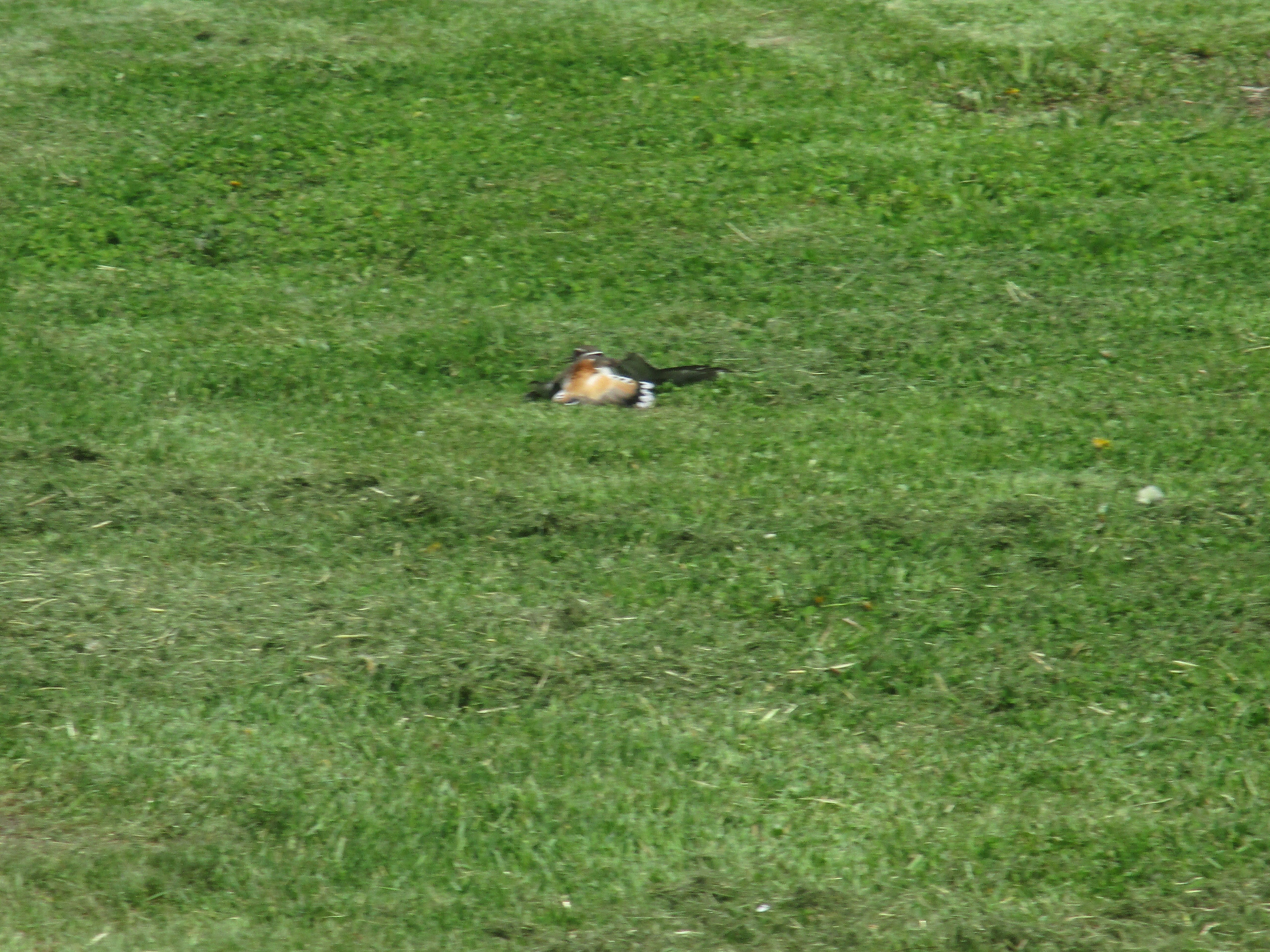
Adult killdeer doing the broken wing act, trying to lure me away from the babies.

On Wednesday, we discovered another brood of baby killdeer running around in the front of the property, with the busy parents trying to keep track of them. We have to be careful when driving in or out, as they spend a lot of time in the driveway and they tend to blend in making them difficult to see.

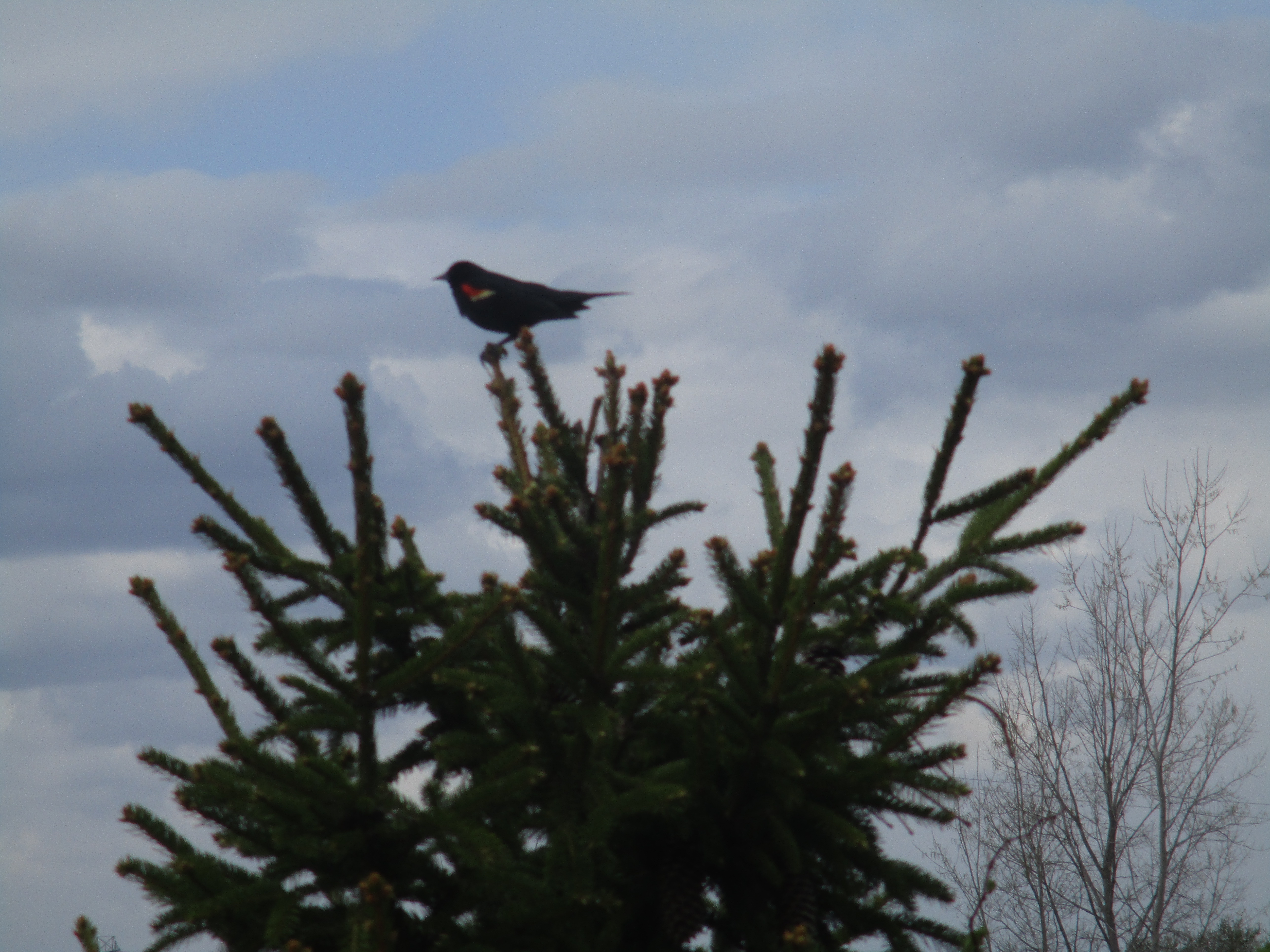
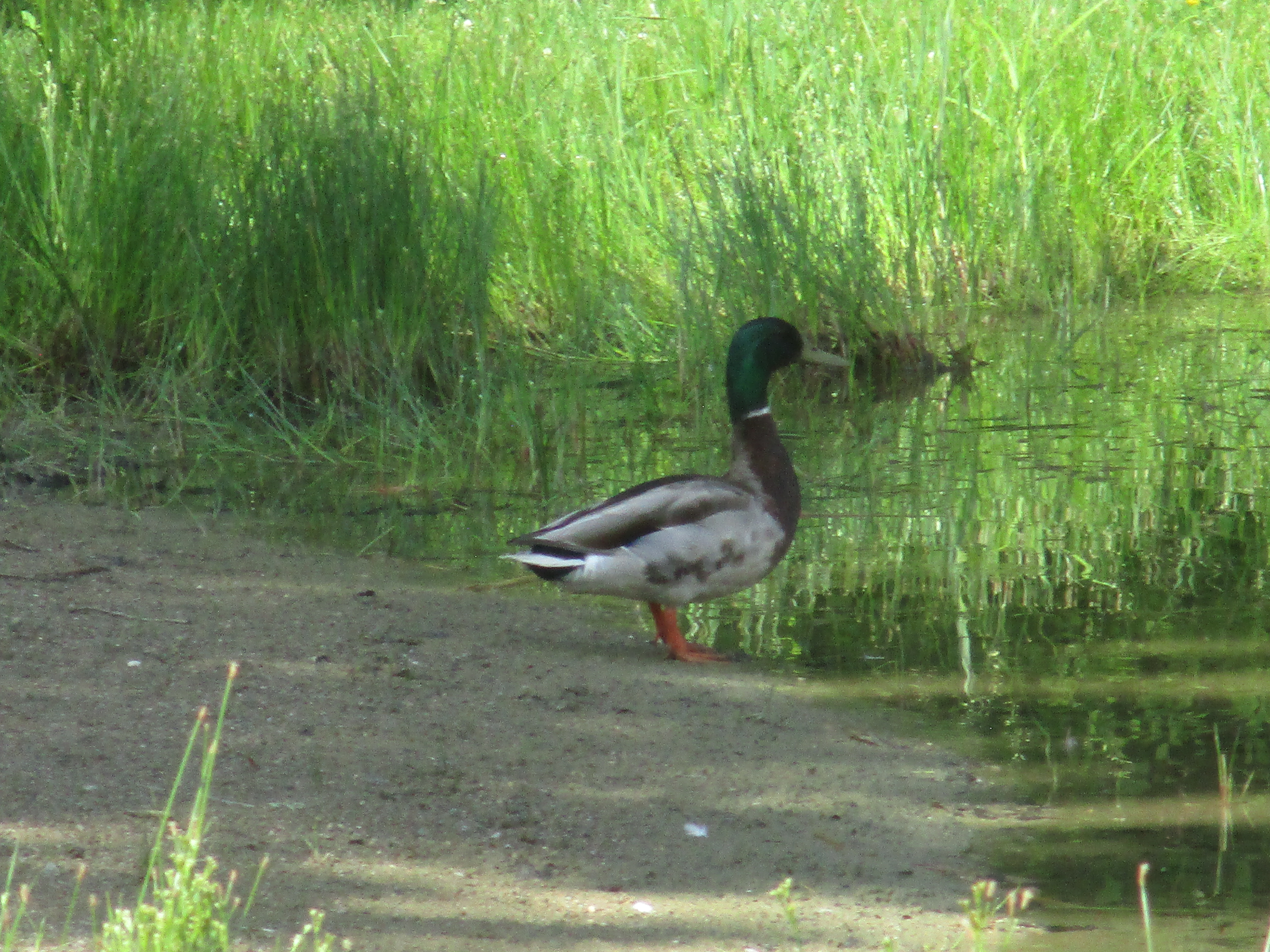
This red winged black bird posed for me as I was walking around the back field. I assumed there was a nest nearby but since I didn’t know much about their nesting habits, I did a little research and came across this article. It explains that the female builds a nest between 6 inches and 6 feet above water or ground, anchored to upright stems of cattails, shrubs or tall grasses.

According to the article “Red-winged blackbirds are polygynous, meaning a single male defends a territory that contains the nests of multiple females. In Washington state, males typically have harems of 3 to 8 females nesting simultaneously on their territory.” It also states, “Both males and females defend nests aggressively, but they play different roles. Males are the more physically aggressive sex: they dive at, and sometimes strike, predators and intruders that come too close. During these attacks, males produce a distinctive growl call that they use only when actively diving at a threat. Females, meanwhile, vocalize at higher rates than males when a predator is nearby. The female scream call is the most effective alarm in the colony, attracting more birds and triggering the highest rate of hovering behavior from defenders.”

I remember several years ago I was walking in the back field and Trooper, our leonberger, was a ways ahead of me, I saw a red winged black bird diving at Trooper’s back. Trooper never saw the bird because it was behind him and the bird never actually touched Trooper, but it was definitely not happy the Trooper was there.

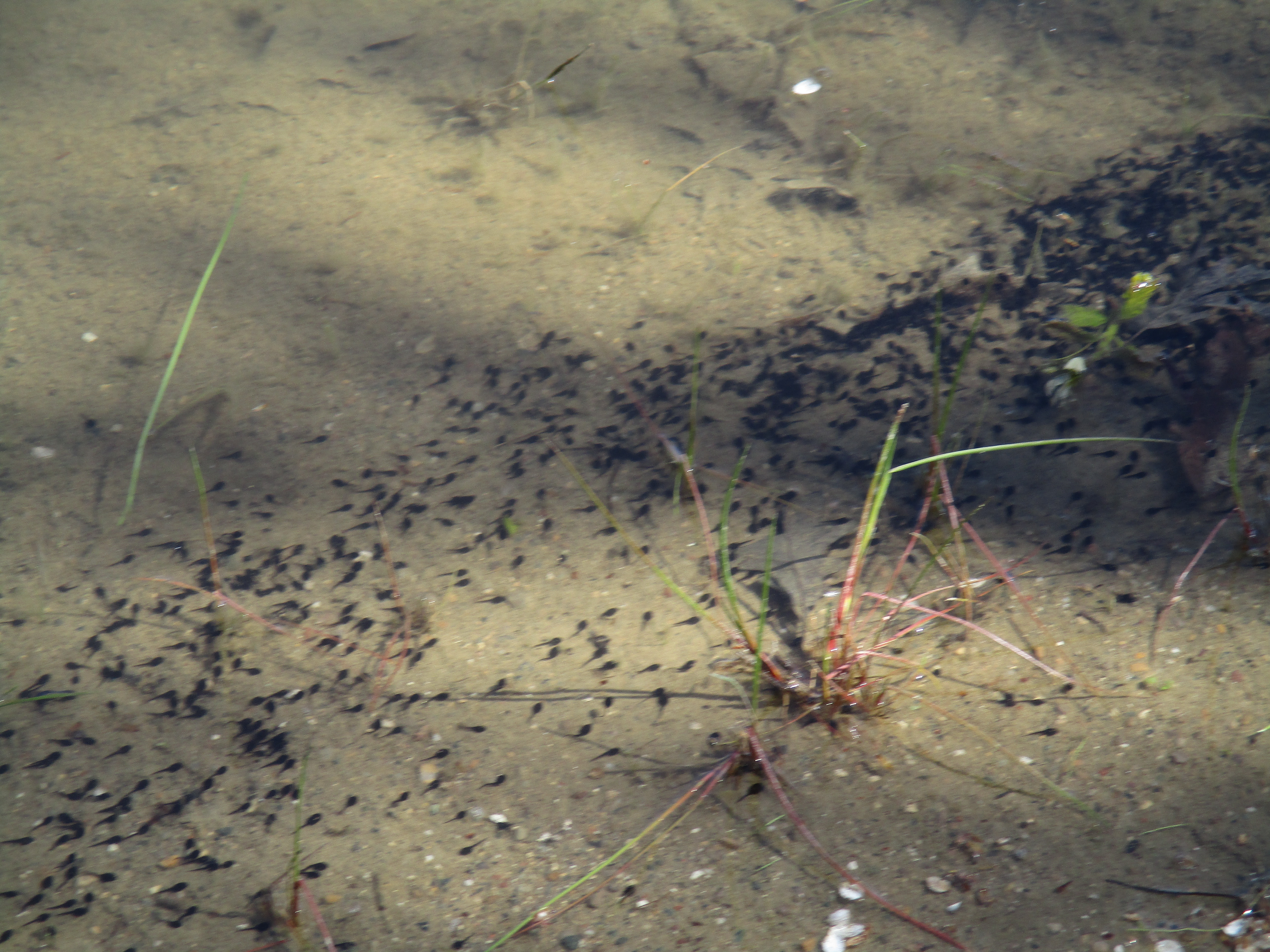
On Sunday we discovered, newly hatched, tadpoles in the pond. I had been watching for frog or toad eggs but never saw them. Obviously, they were there somewhere.

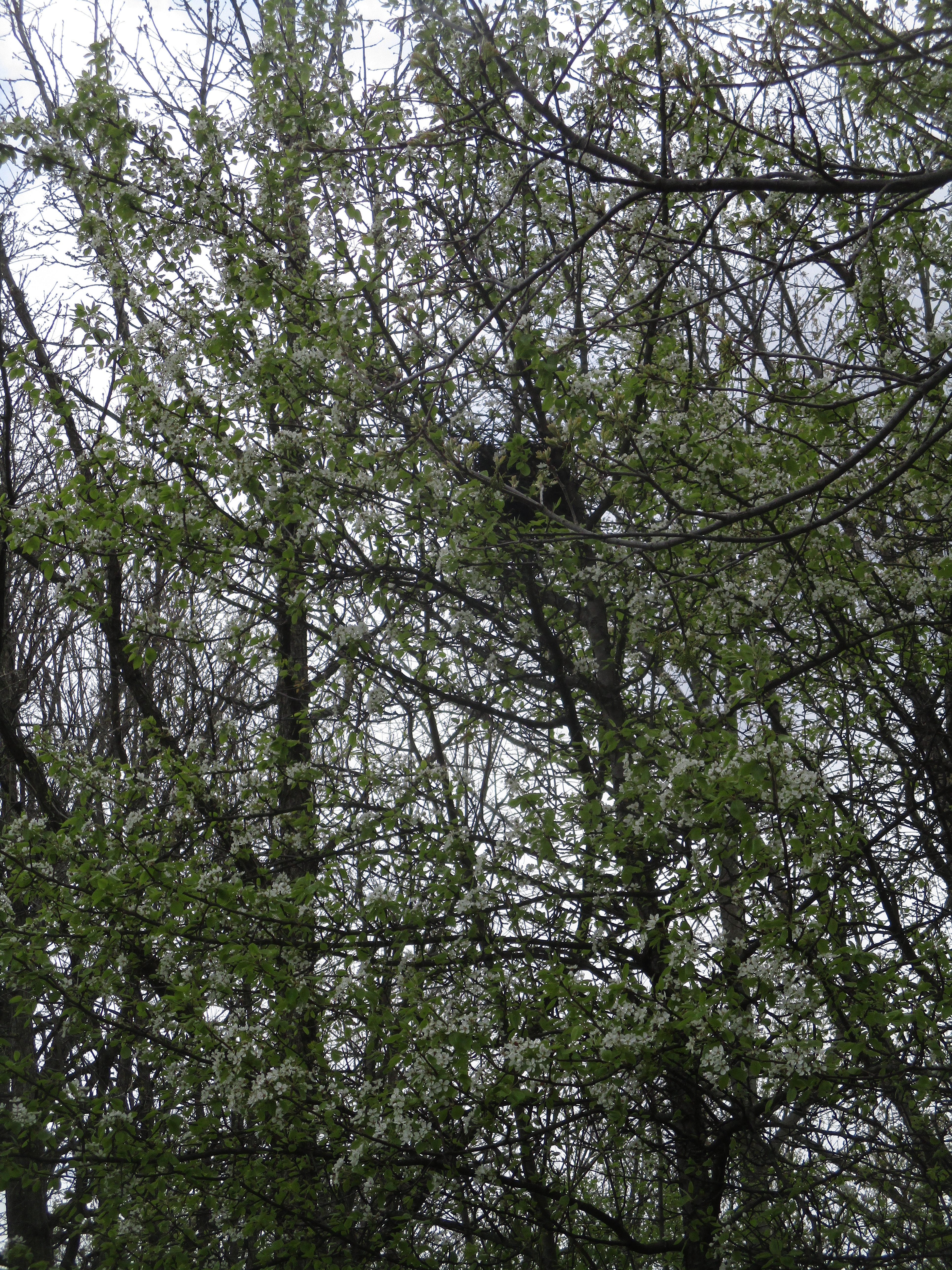
Before long we won’t be able to see this squirrel’s nest up in the pear tree.

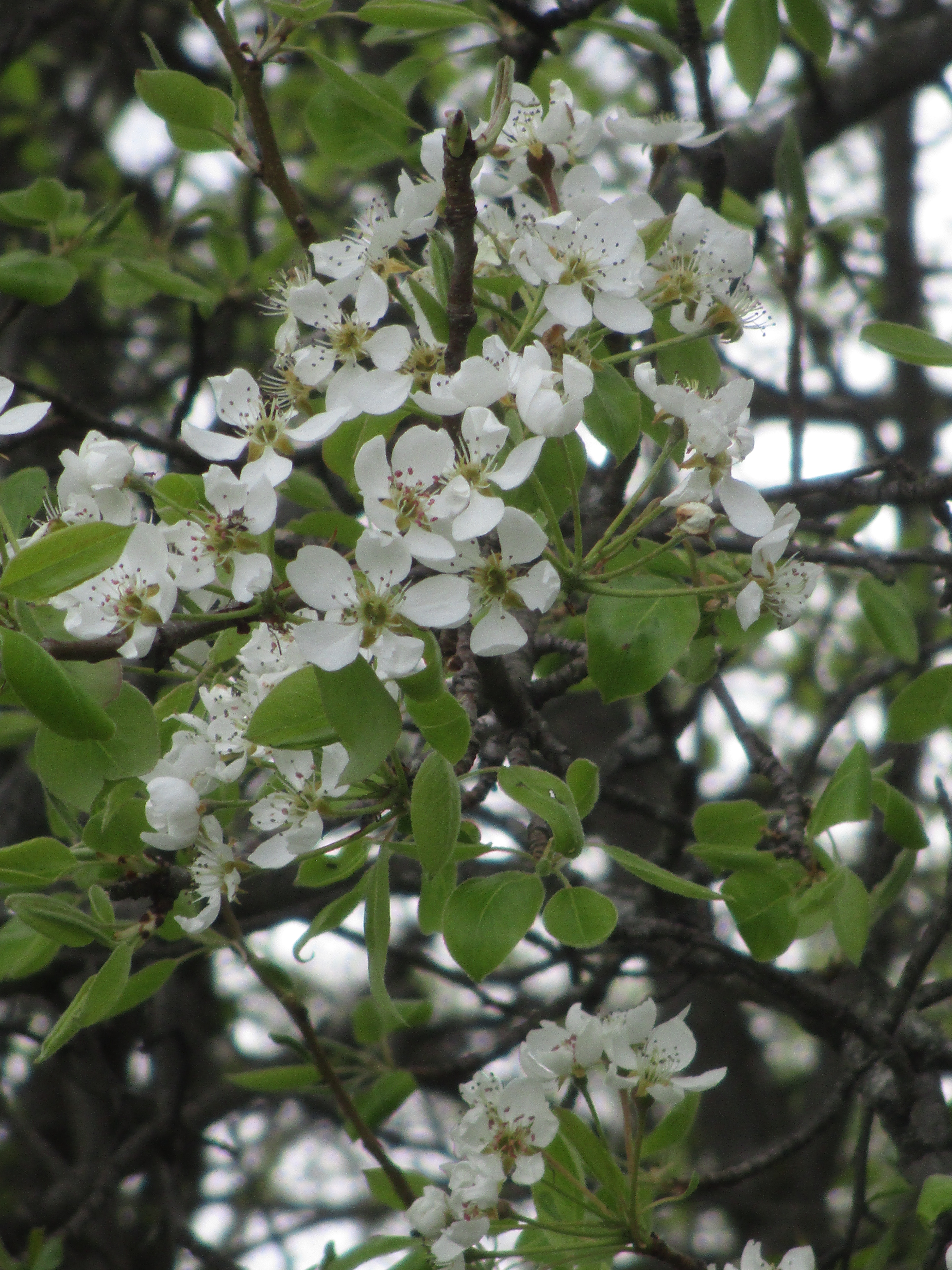
Pear blossoms.

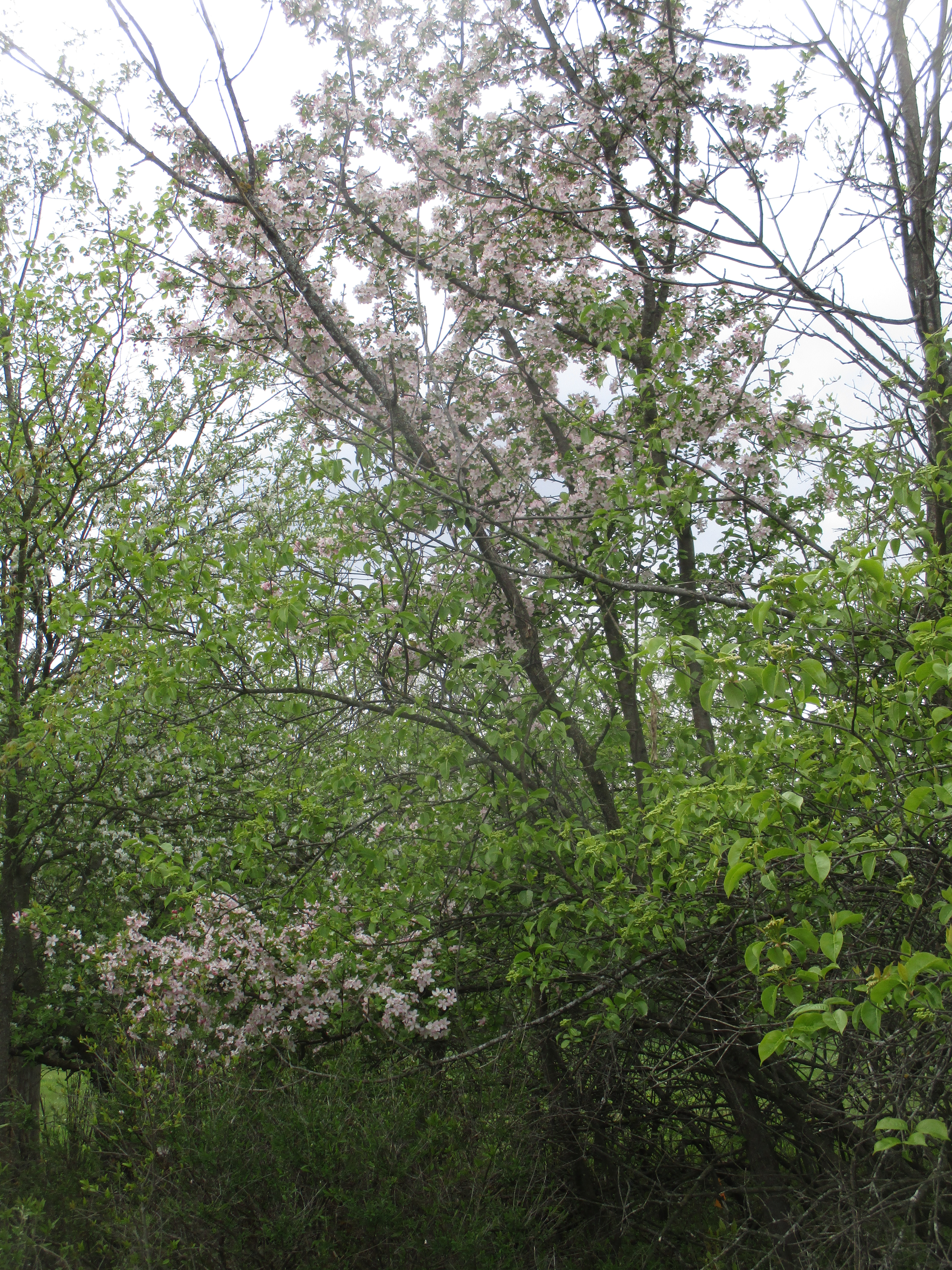
Apple trees blossoming in the wood line.

Remembering Our Moms

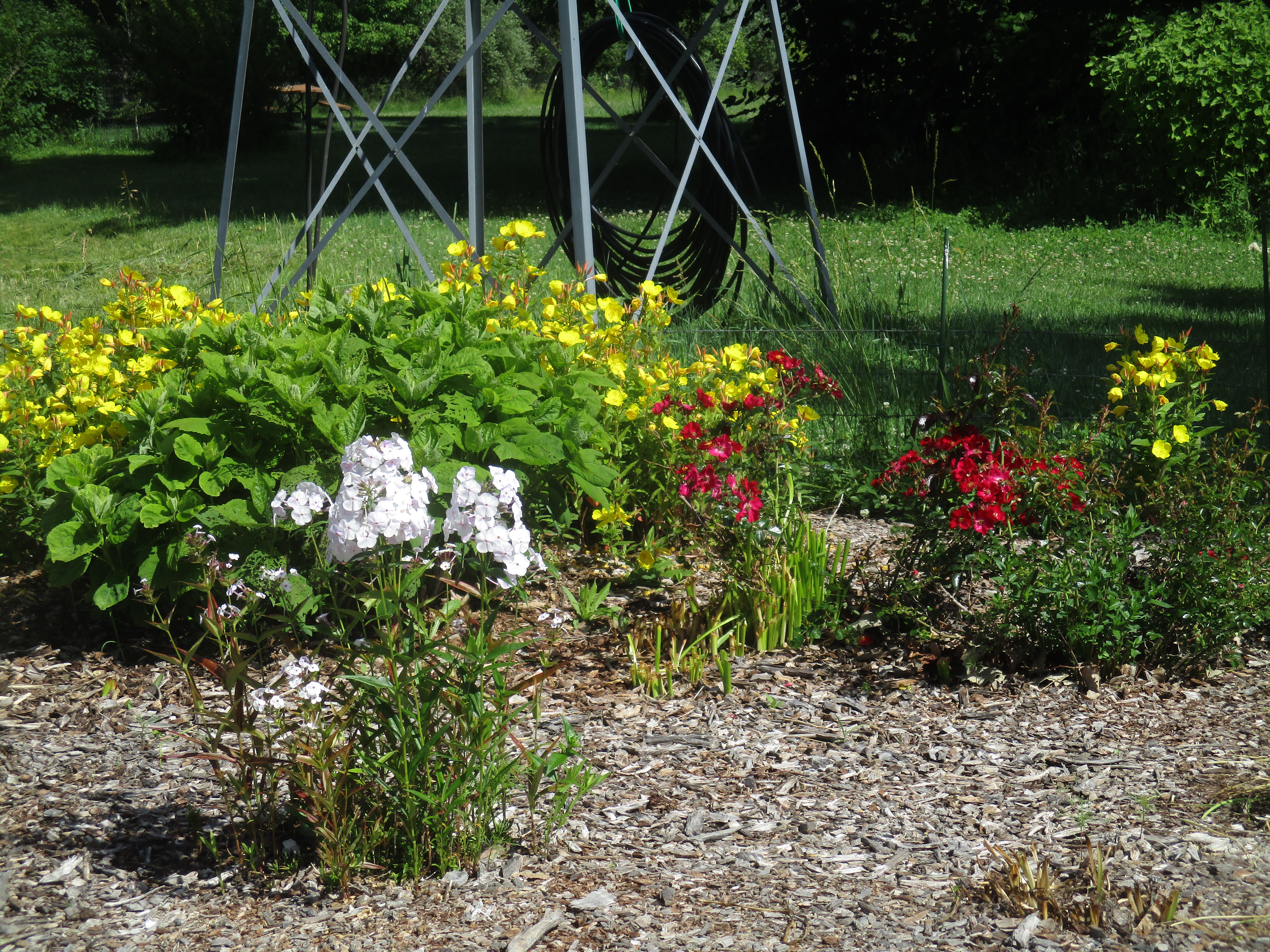
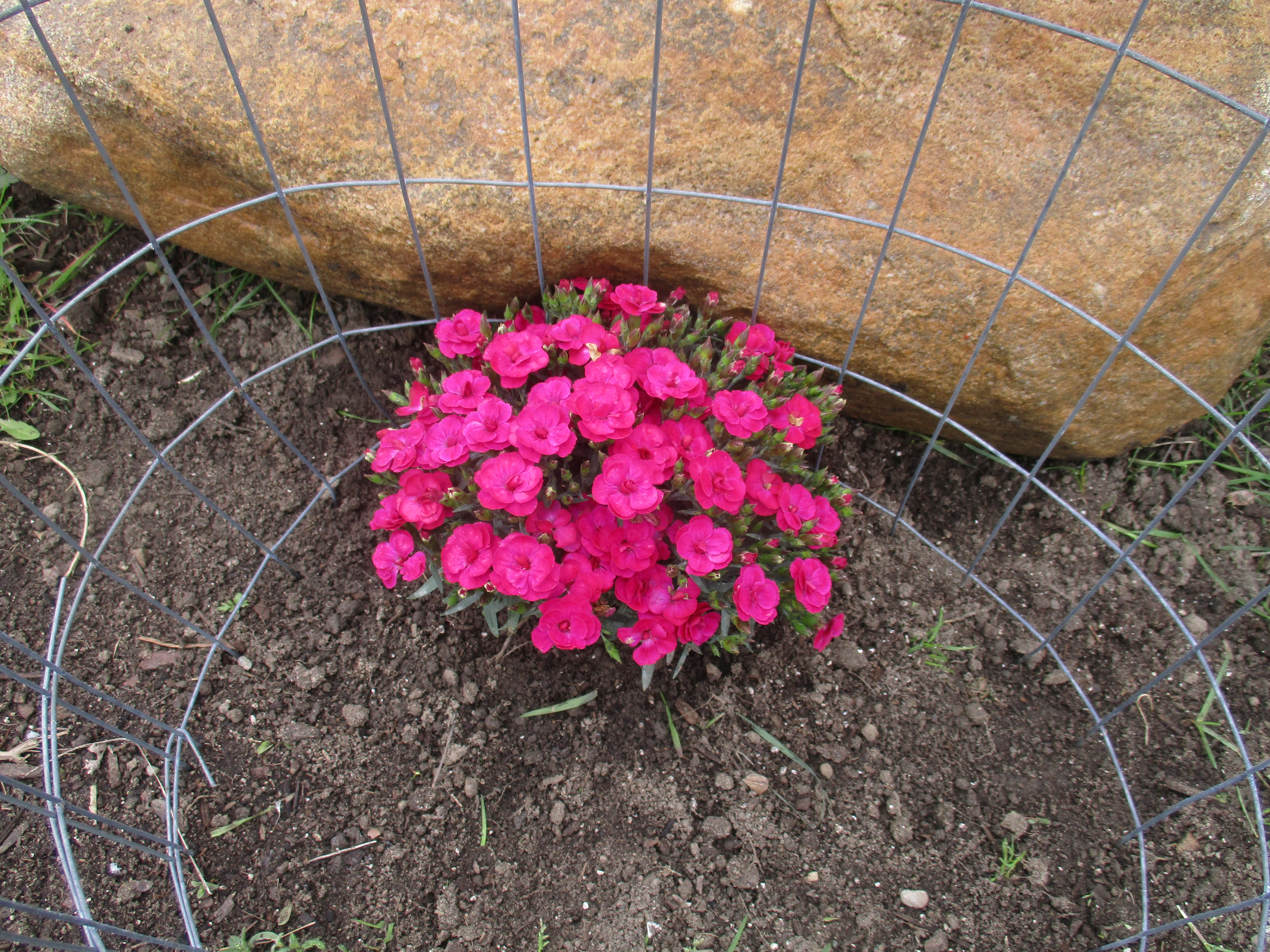
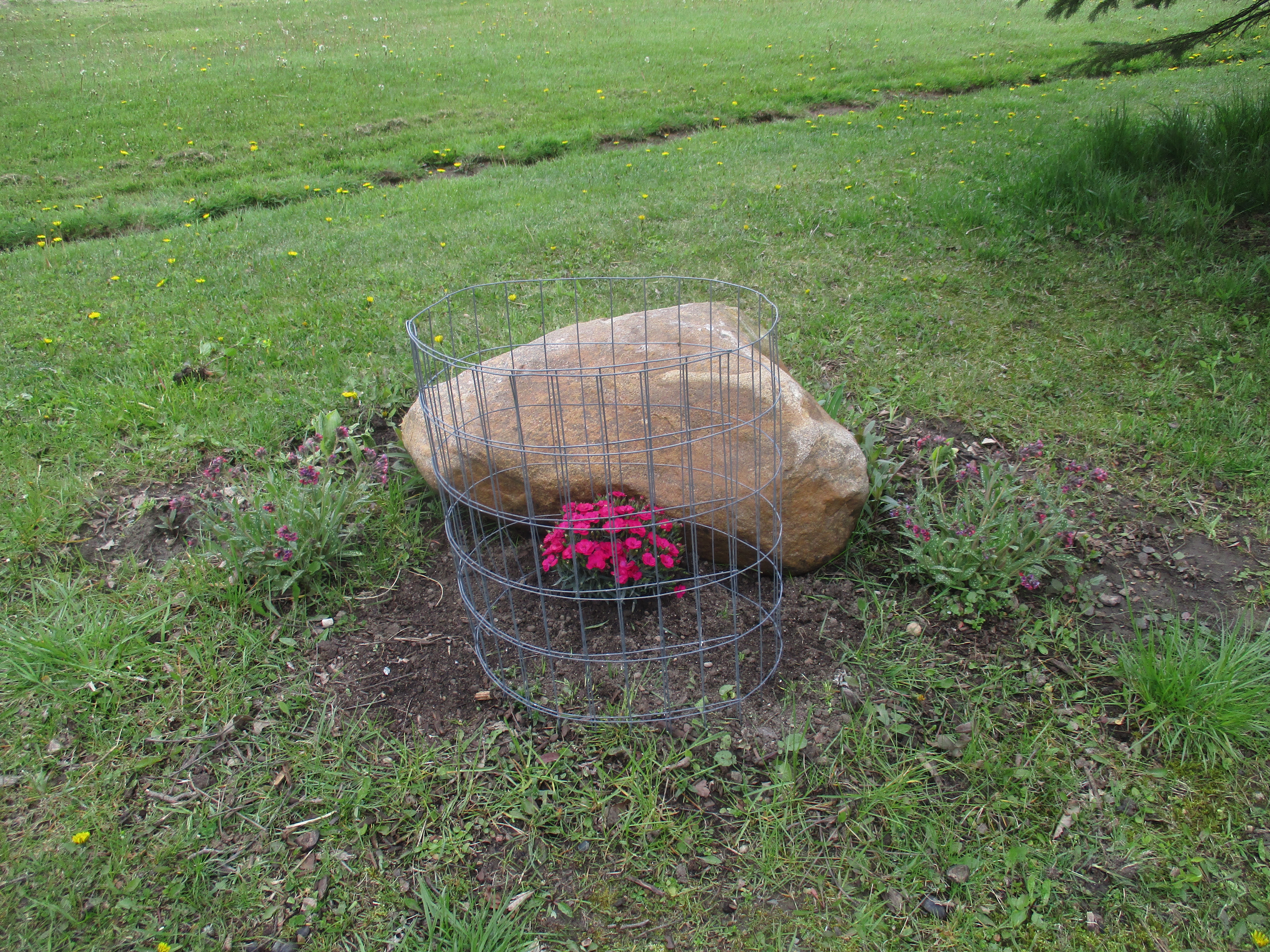
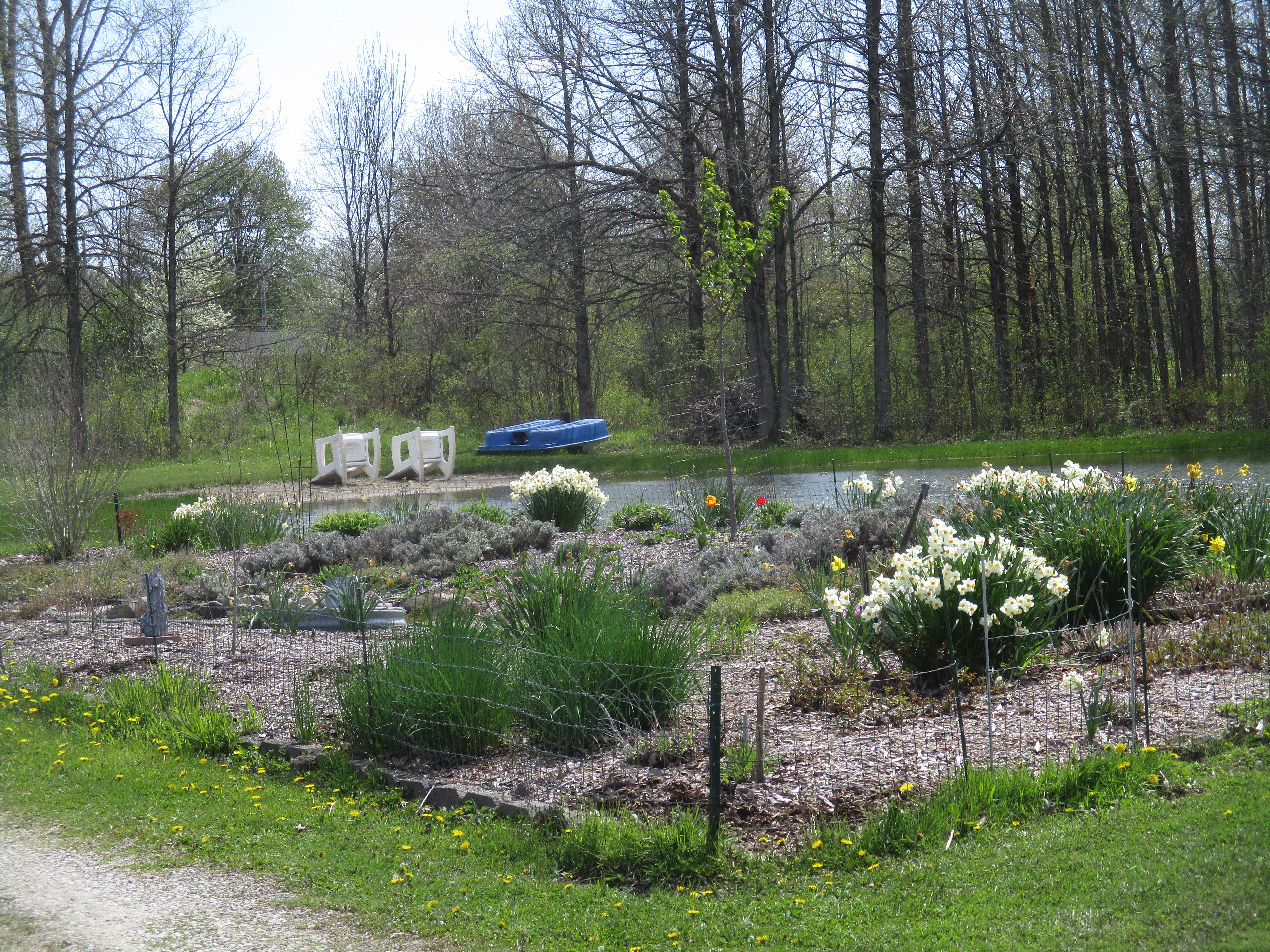
My husband picked out this beautiful dianthus to plant in memory of our moms.

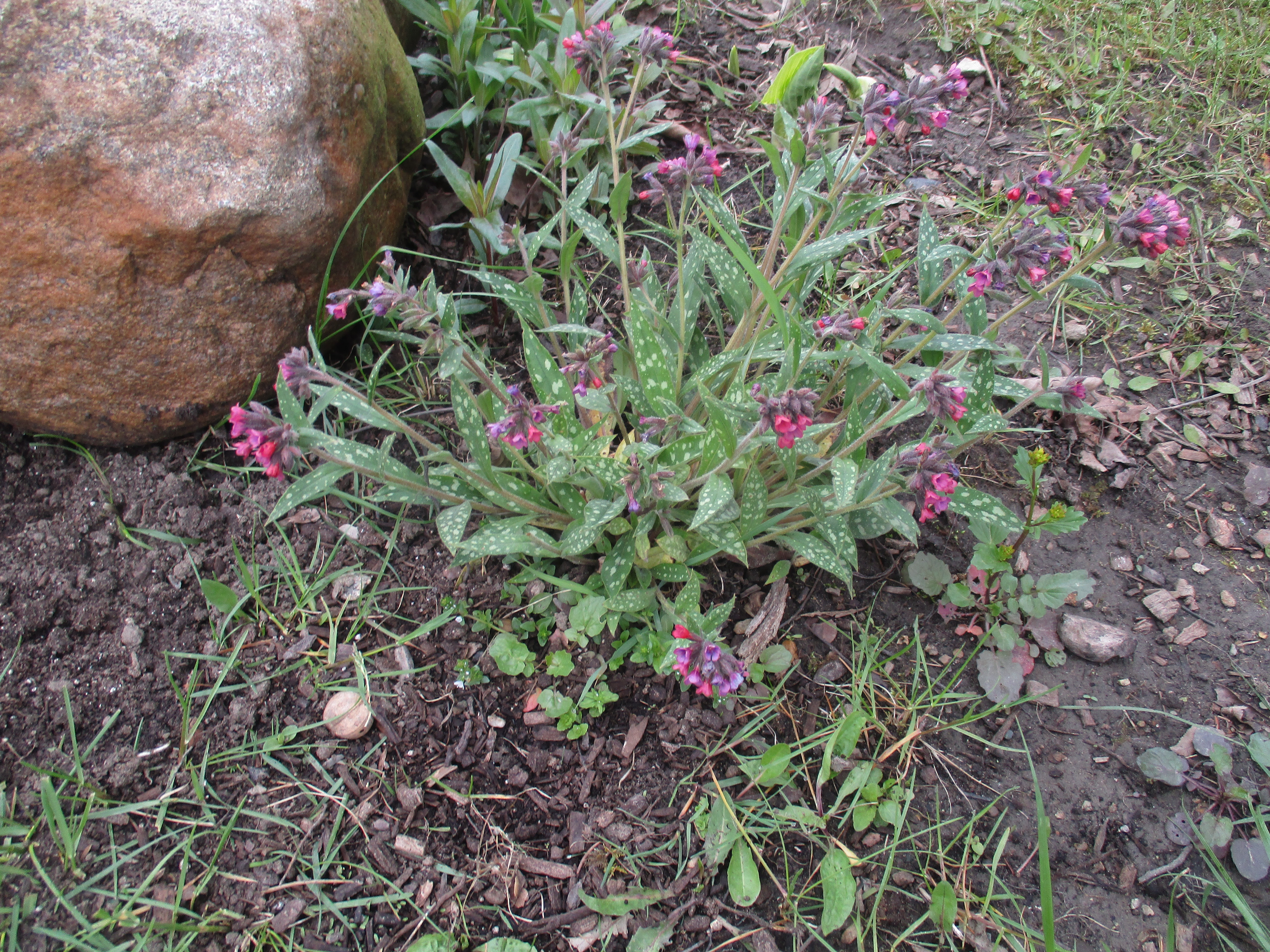
The lungwort is also blossoming.

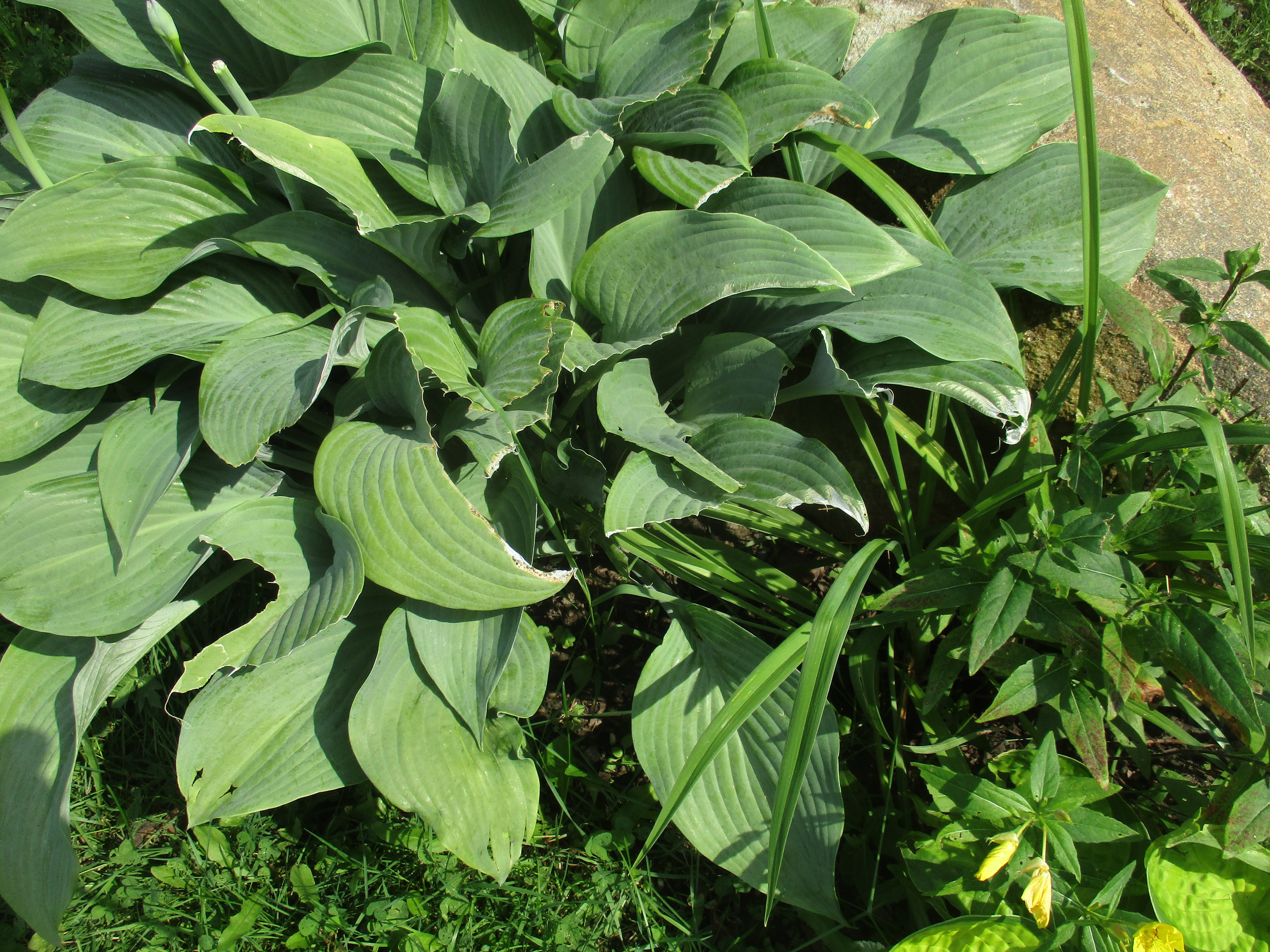
Behind the rock there are hosta plants and day lilies coming up as well.

Gardening

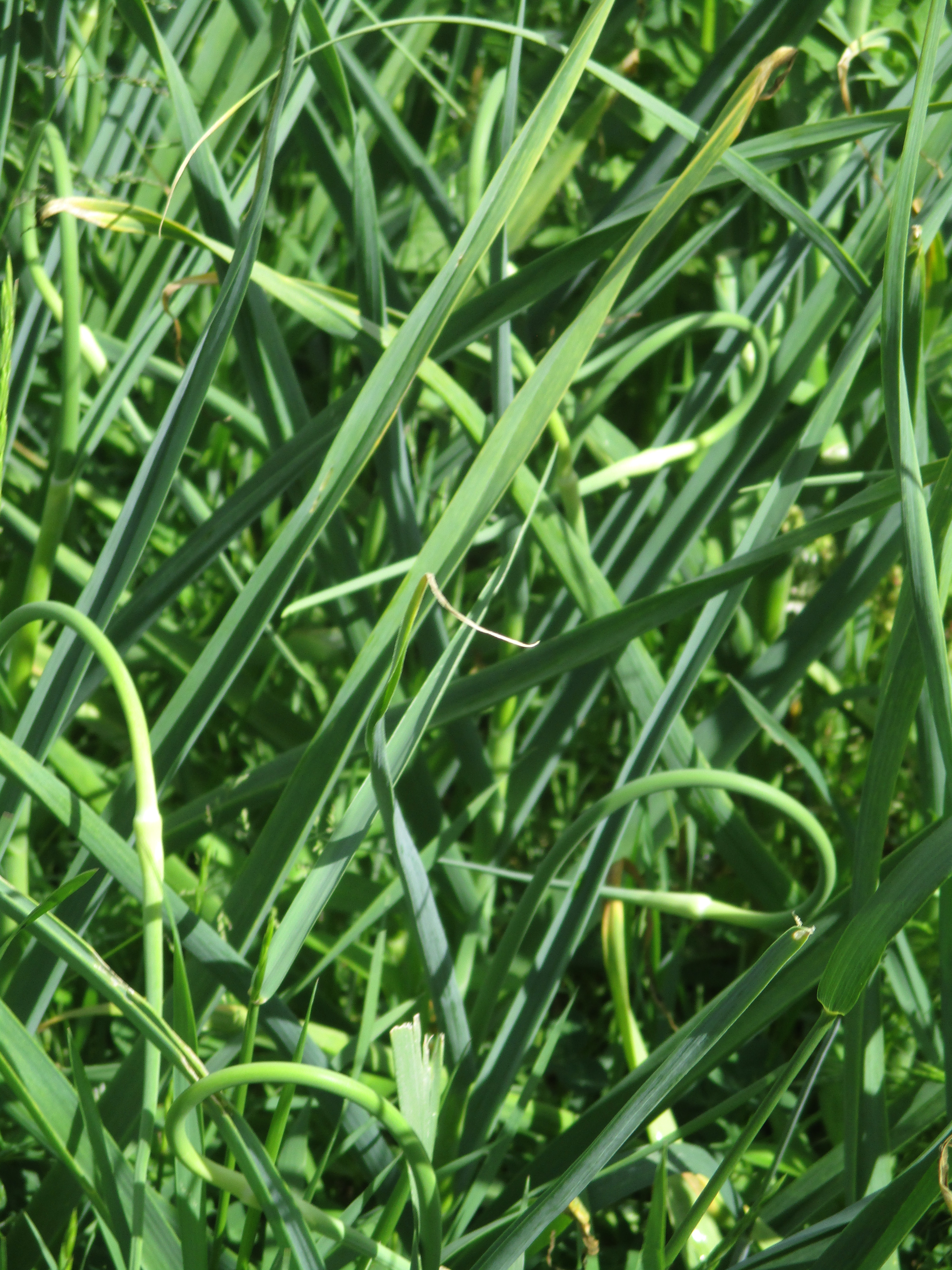
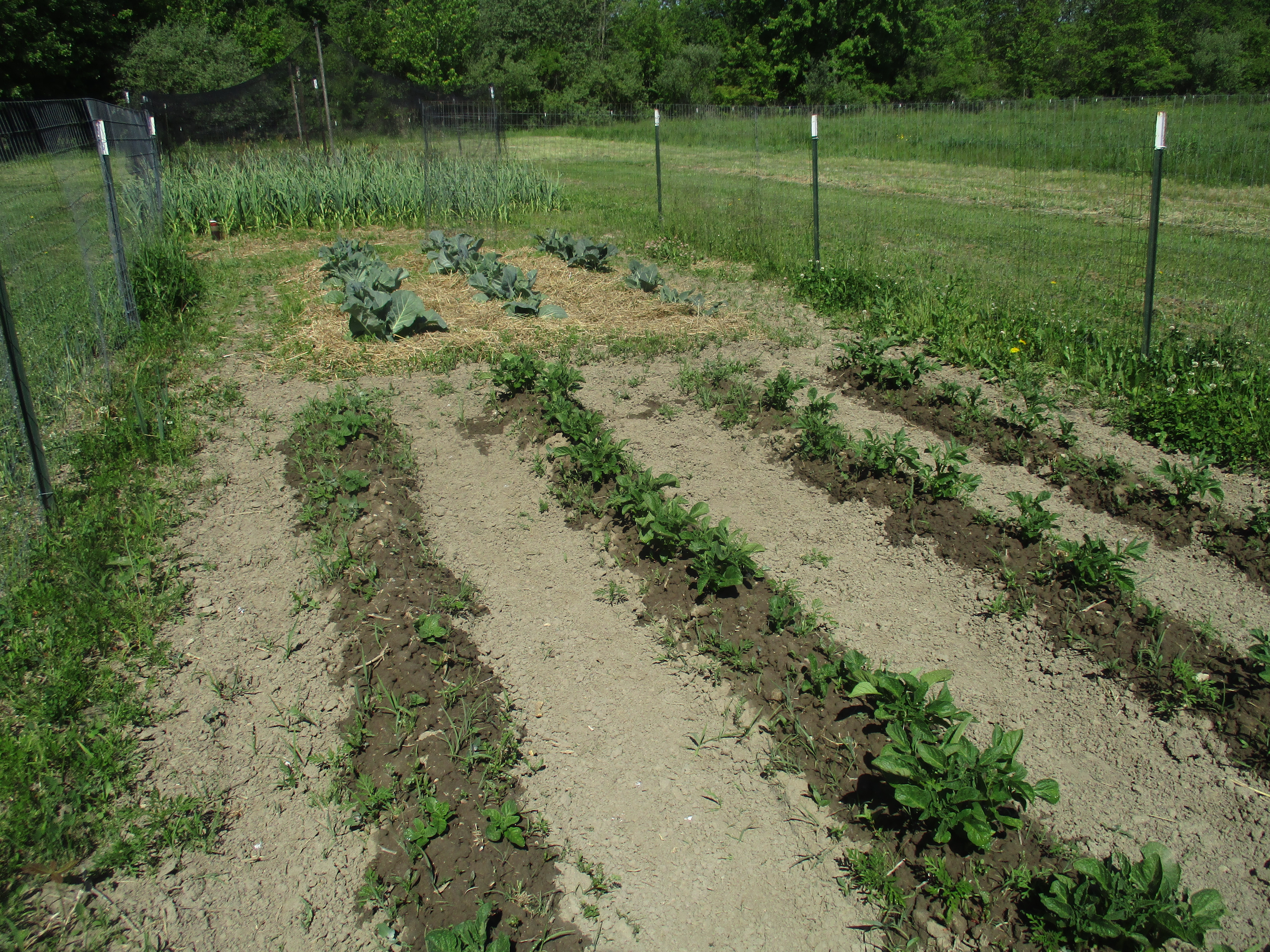
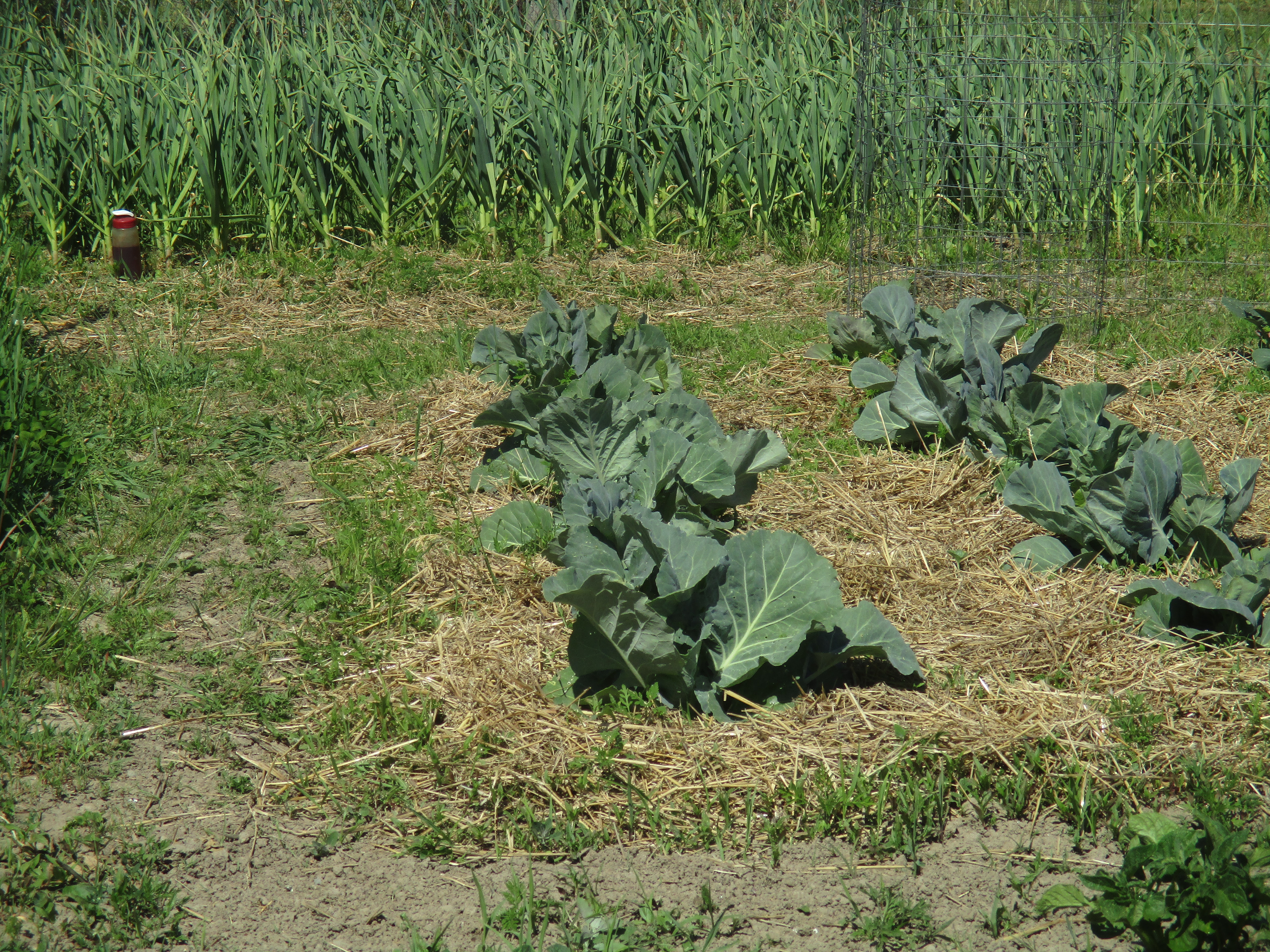
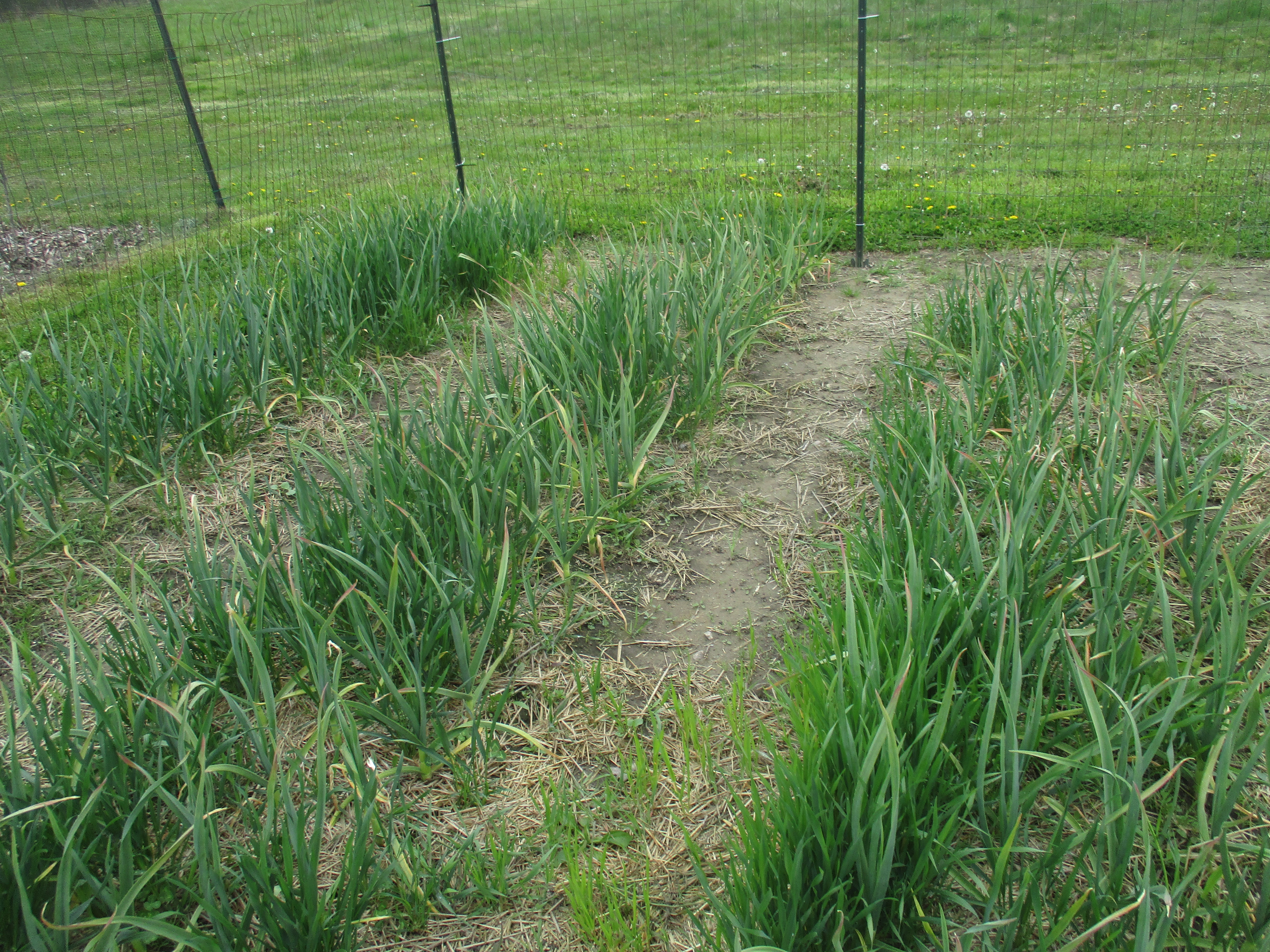
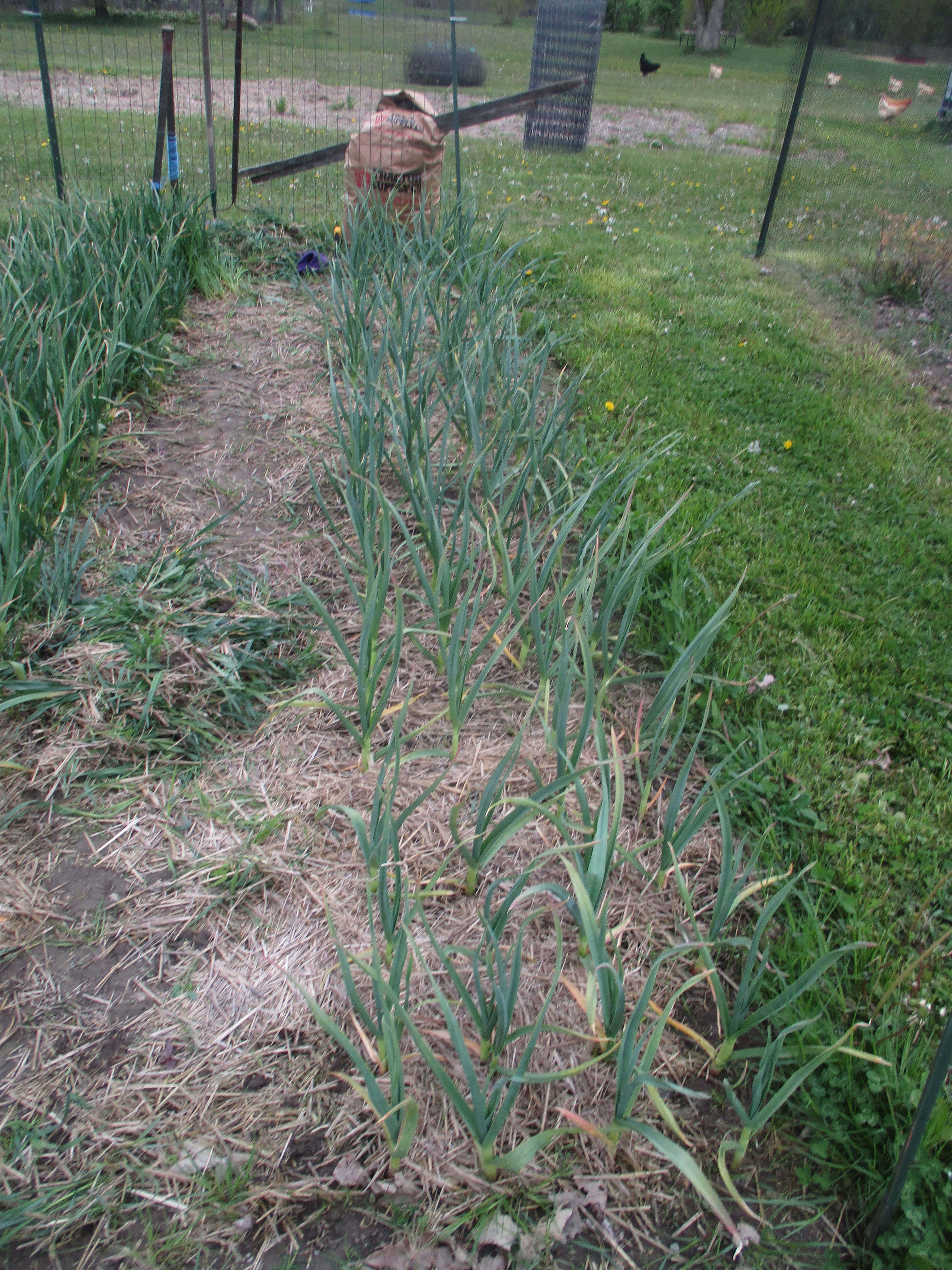
The garlic was being overrun with weeds.

I got about half of it weeded Saturday morning.

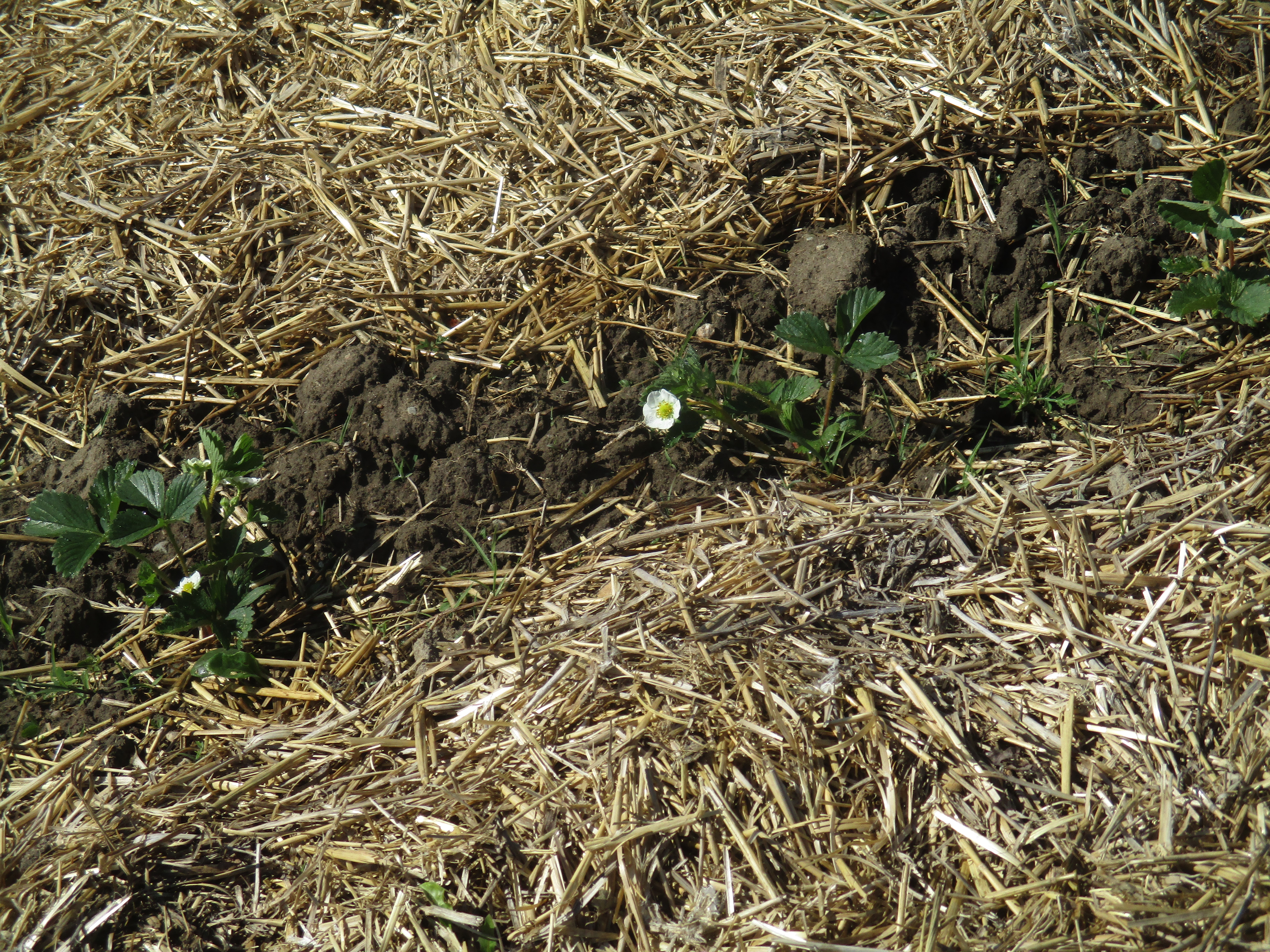
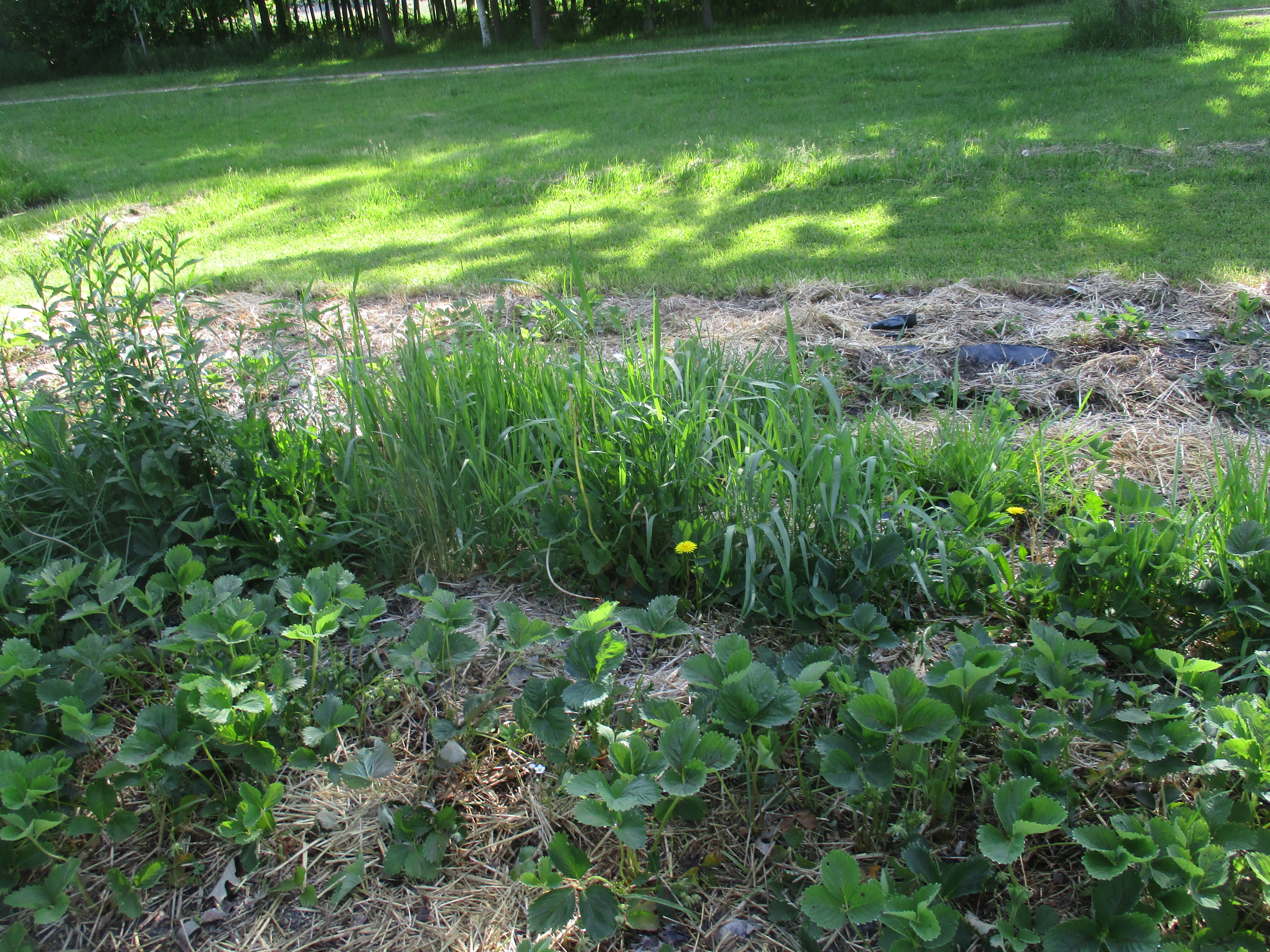
I didn’t get any pictures of it, but on Friday we got our new strawberry bed planted – 3 different varieties – 75 plants total.

Chickens

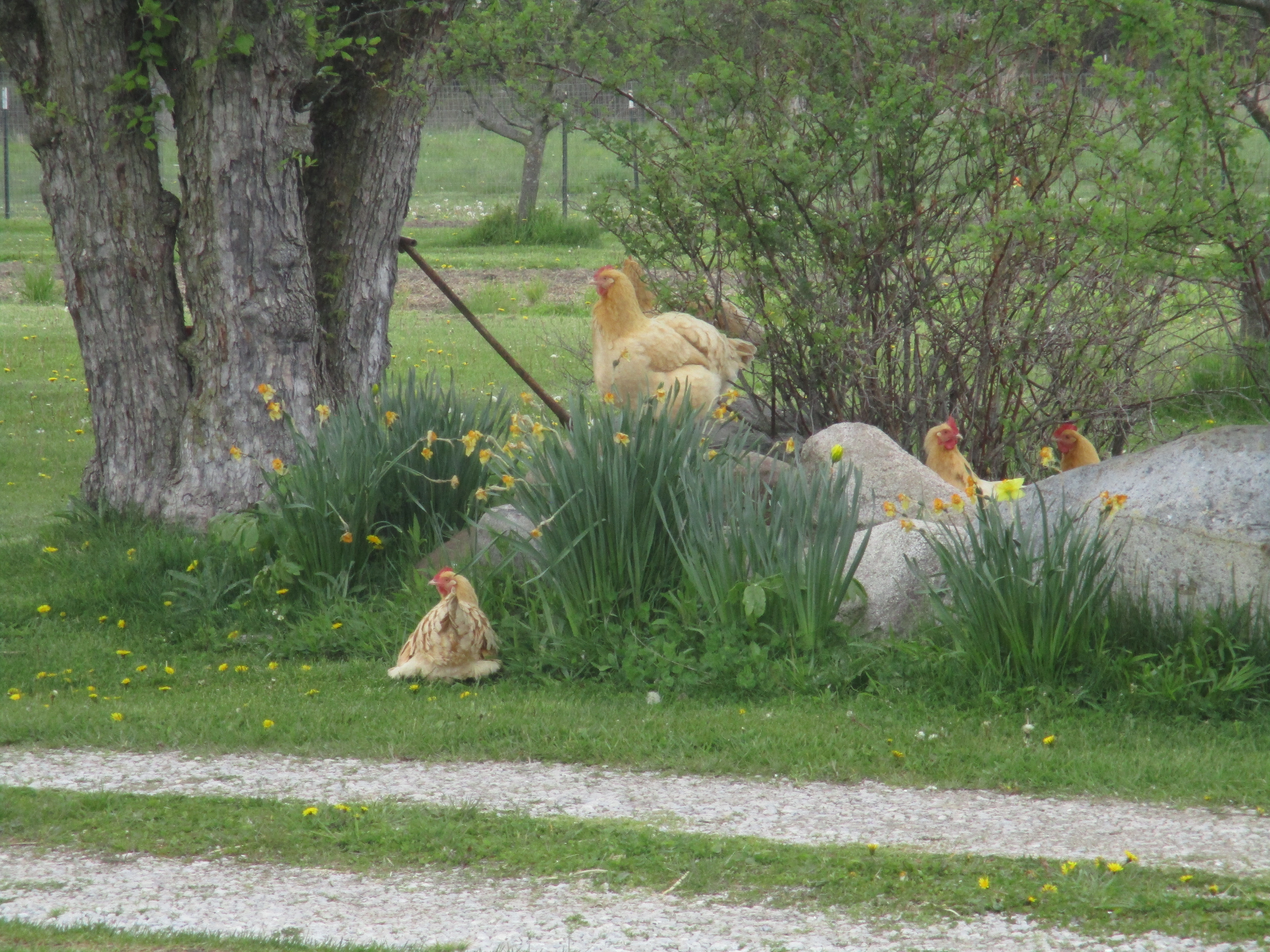
Just thought I would finish up with a shot of the girls enjoying their day.

Thanks for visiting.
Pirates of the Bird Feeder

Hello and welcome.

Getting ready for winter, my husband hung the bird feeder earlier this week. I love the location where I can see it from our kitchen window. The window is above the sink so when I’m standing at the sink, preparing meals or doing dishes I can enjoy watching the birds at the feeder. Sometimes I just pause there, even without having work to do, just to watch the bird activity.

So far we have mostly had sparrows eating from the feeder – lots of sparrows. I am calling them the Pirates of the Bird Feeder, not because I have seen any with an eye patch or a pegleg, but with that many sparrows I’m certain one of them must be named Jack. (For those who don’t know “Jack Sparrowis in reference to the Pirates of the Caribbean movie.)

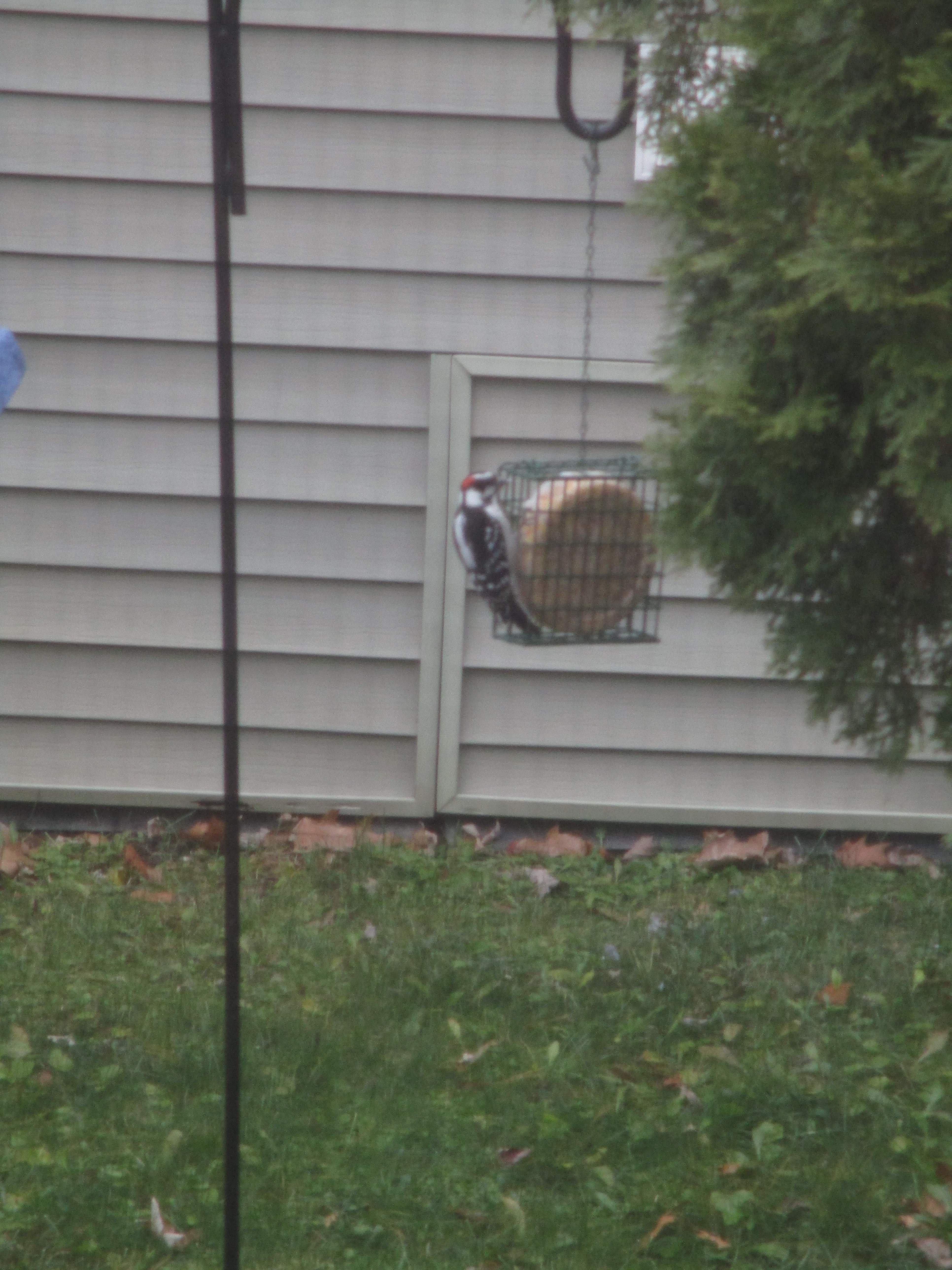
On Tuesday I made some suet cakes so we could hang the suet feeder as well. To make the suet cakes I melted beef tallow then mixed in some chicken feed. I poured it into some dishes that were smaller than the size of the suet cage then put it in the freezer to solidify. On Wednesday my husband hung the suet cage.

It didn’t take long for this woodpecker to find it.

We will be adding some sunflower seeds this weekend and I expect we will see many more birds show up once we do.

Thanks for visiting. Will you be feeding the birds in your neighborhood this winter?
Bugs and More

Hello and welcome.

Yesterday morning I was blessed to be able to spend time with some of my family: my aunt, one of my sisters, two of my daughters and my sister’s granddaughter (my great niece). We met at a local coffee shop and spent at least an hour and a half just drinking lattes and talking.

At one point the conversation turned to bugs. My daughter mentioned that she has been seeing a lot of spiders lately. Then my sister said she had been seeing stink bugs (like the one pictured below).

I agreed about the stink bugs and added that I had been seeing a lot of “those bugs that look like giant mosquitoes” (like the one pictured below).

I have since found out that they are called crane flies, and they seem quite harmless.

My sister then mentioned that she likes seeing leaf bugs. I said I had never heard of leaf bugs, so she described them as looking “just like a leaf”.

“I probably just sweep them off the deck never realizing they are there,” I joked. (These days I’m always sweeping leaves off the deck.)

Later in the day I was on our deck and grabbed the broom to sweep the leaves off. One of the leaves stood out from the rest as it was bright green instead of the browns, yellows, and reds of the rest of the recently fallen leaves.

As I took a closer look, I realized it wasn’t a leaf at all. It was a bug! I grabbed my phone and took a photo. I sent it to my sister who quickly replied, “That’s it.” I am still amazed that the first time I ever saw one of these bugs was when it showed up at my front door just a few hours after my sister was telling me about them.

I did a little research and found out that these bugs are also called Katydids. I have heard of katydids but never knew what they looked like. I do think they are a neat looking bug.

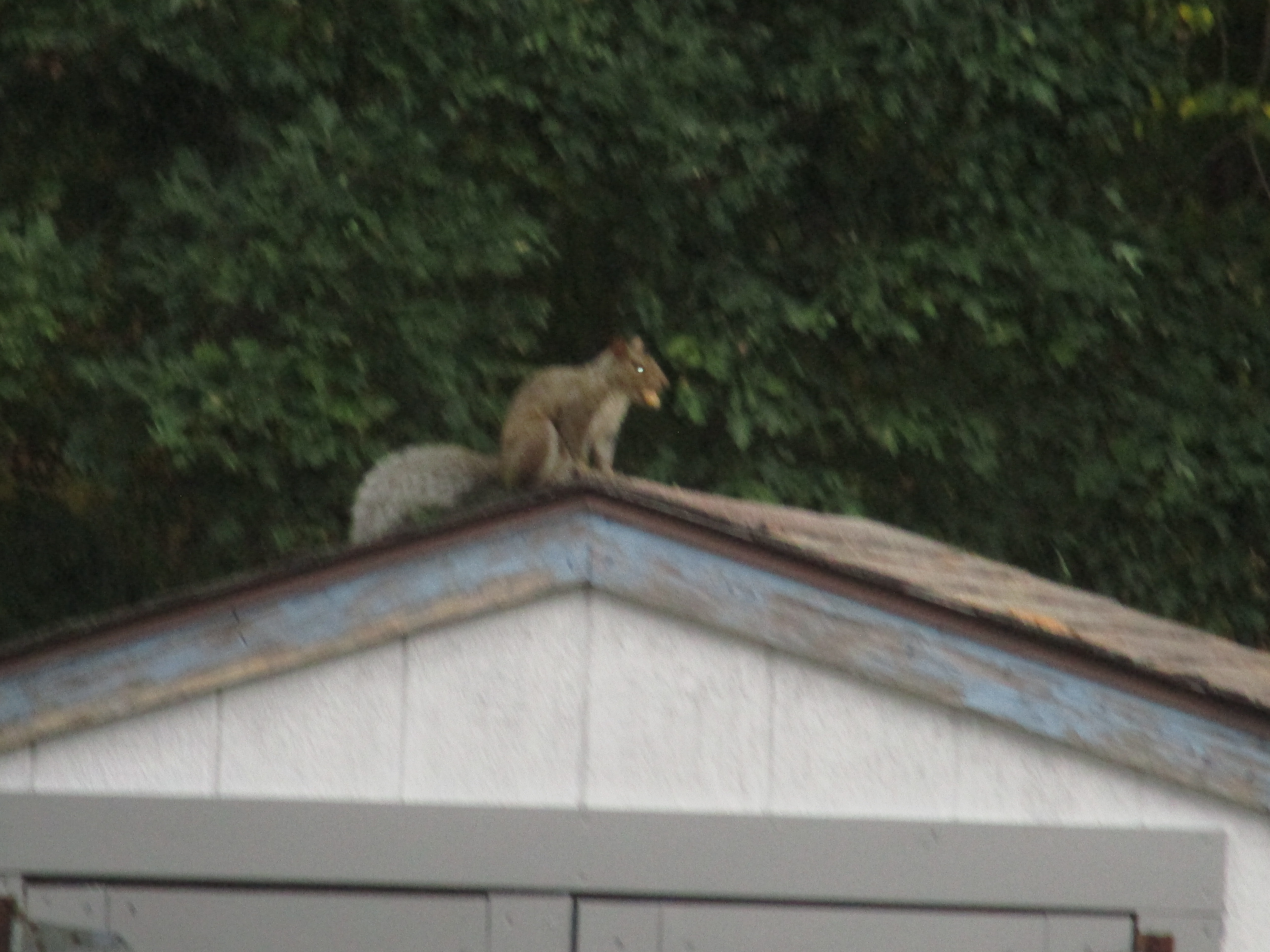
While I had my camera out I was able to get a picture of the squirrel that has been a frequent visitor to our yard and driving Ranger and Ruby crazy.

This black capped chickadee paused in the cherry tree for a minute or two so I could get a couple of pictures

as did this little bird in the picture below.

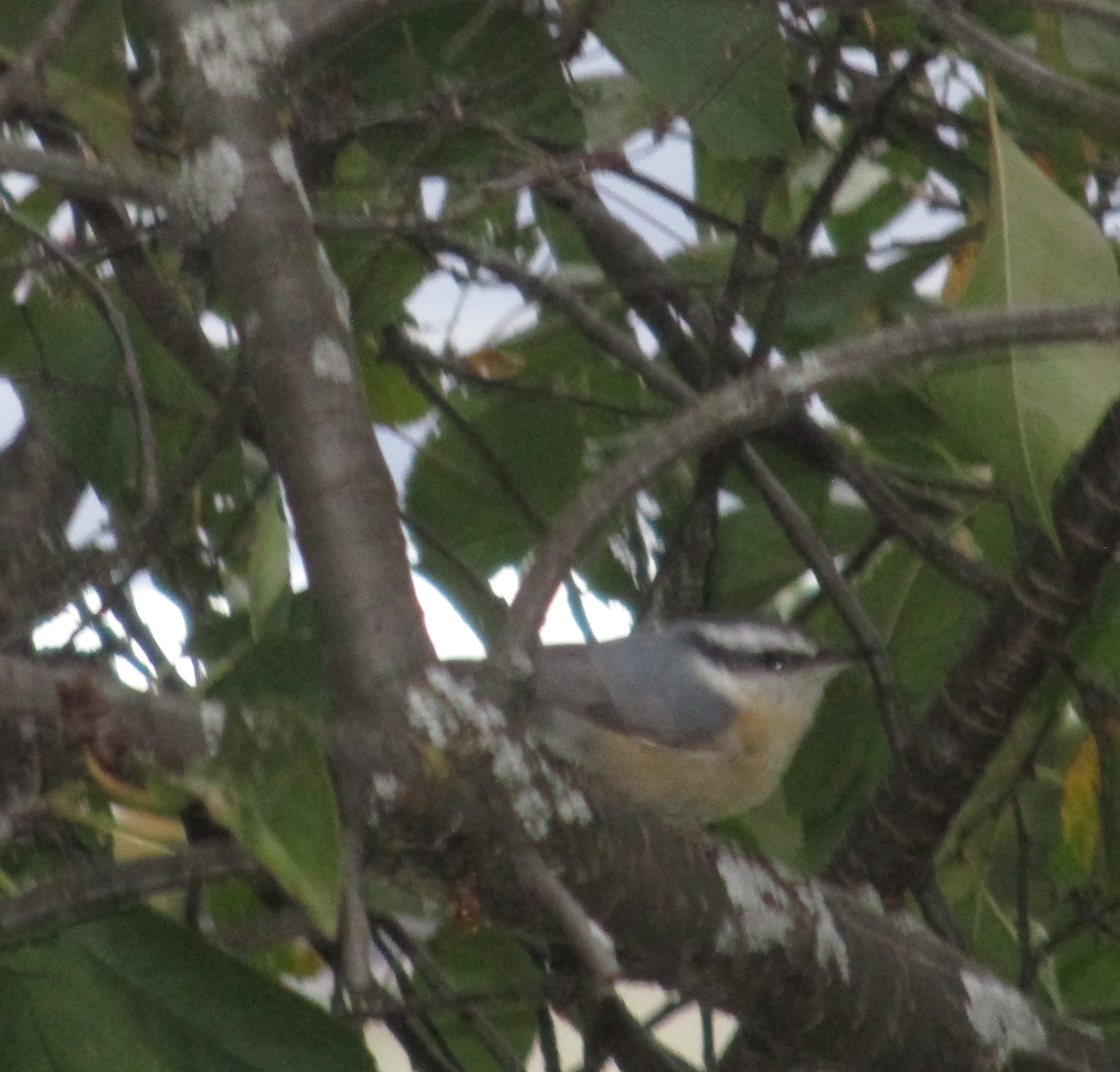
I’m not sure what kind of bird this is and am hoping some of my smart readers can help me out. Please leave me a comment if you recognize this bird.

Thank for visiting?

Have you ever seen a leaf bug?

Bird Identification

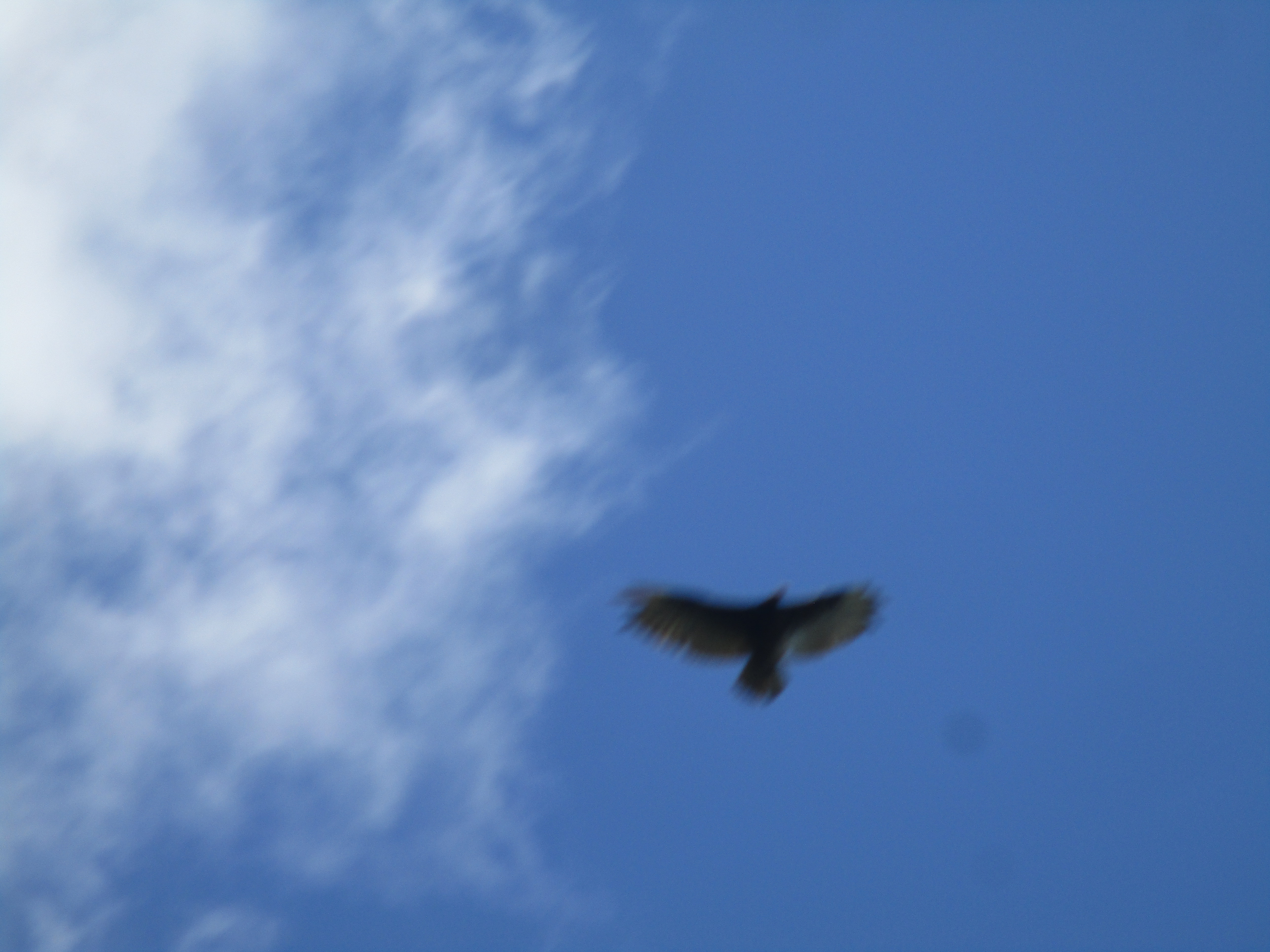
For several weeks I have been seeing a bird that I did not recognize at the farm. I never got a close look, just observed it in flight before it disappeared into the treetops surrounding the pond. It had features similar to a large woodpecker. The pileated woodpecker is known to live in our area but try as I might I could never see any red on this bird like the woodpecker would have.

It wasn’t until today that I realized that this was the same bird that my husband witnessed diving into the pond and coming up with a fish dinner. Today I saw the same. While I wasn’t able to get any pictures of it, I did get a better look. I already knew that it was mostly grey and had a black head and long beak. Today I was able to see some brown markings underneath and a white ring around its neck. I made a mental note of that so I could search for it on the internet when I got home.

Mystery solved! I discovered it is a Belted Kingfisher, and I will say that it lives up to its name. At least six times over the course of an hour I saw it dive from the top of a tree into the pond and come up with a fish. One time it stopped and hovered in the air, wings flapping, then dove down into the water. Each time it came up it would fly to a high branch of a nearby tree, presumably to consume its prey.

You can click on the link below to see photos and learn more about the Belted Kingfisher.

If I ever get a photo of it I’ll be sure to share it with you.

Thanks for visiting.
Finally, a Fledgling

Hello and welcome!

You may remember this mourning dove who had a well-hidden nest in the maple tree just off our deck.

For weeks I’ve been watching this bird sit on the nest. It has probably been both parents that I have seen up there since they share in the job. (I have just not witnessed them changing places.) I was beginning to wonder if there were really eggs and if they would ever hatch. I never heard babies (cheep, cheep, cheep) in the nest nor did I see parents bring food to their young.

When I did my homework, I learned that mourning doves feed their babies crop milk, a liquid high in antioxidants, fat and protein which is produced in their throat. Both parents produce crop milk and share the feeding responsibilities. This explains why there was no scurry of activity with the parents’ bringing food to their young.

Two days ago I looked up toward the nest and instead of seeing an adult bird I could barely make out the small head of a baby. Once I saw it move, I was sure that’s what I was seeing.

Yesterday, I couldn’t see baby and there were no parents around, so I was relieved this morning when my husband came in and told me that the baby mourning dove was on our deck. By the time I grabbed my camera and got out there it was gone. 😦

Later this afternoon I was thrilled to see it perched on a chair in our courtyard. Normally mourning doves lay two eggs so I am not certain if one of the eggs did not hatch, or if for some reason there was only one egg.
Mourning doves can raise as many as six broods per year and in Michigan their breeding season goes into September. Since this nest still seems to be in good shape (at least what I can see of it) they may continue to use this nest to raise another brood or two.

Thanks for visiting.