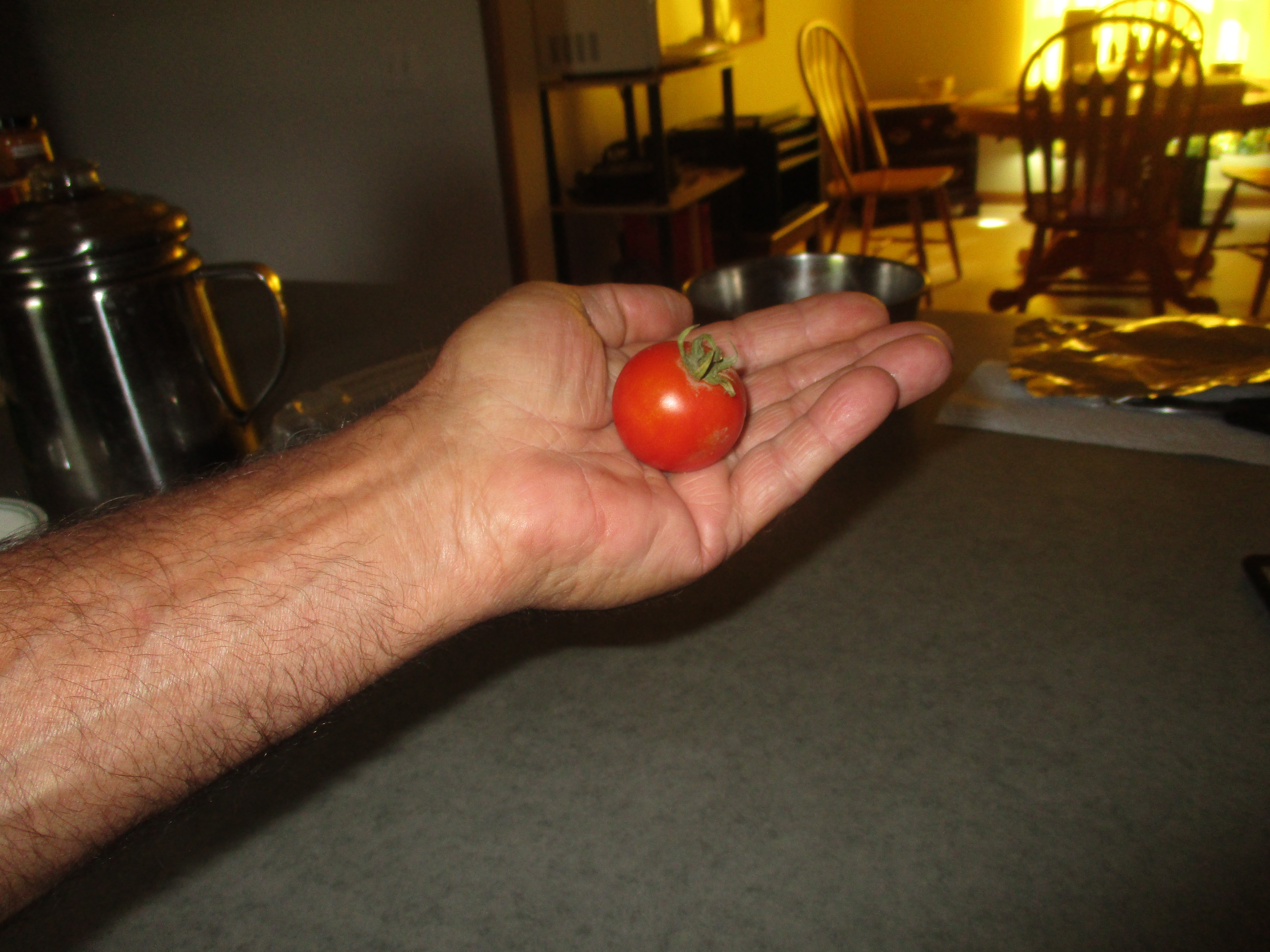
Summer is in full swing and the gardens are producing. We have been including home grown veggies in our meals nearly daily. So far, we have enjoyed beets, Swiss chard, banana peppers, cucumbers and cherry tomatoes, and of course garlic.
Check out this post for my recipe for banana pepper poppers.
This week I have also started making pickles. I have two quarts of refrigerator dill pickles chillin’ in the fridge and Wednesday I canned 7 pints of pickled beets. I’m excited about having pickled beets because it has been several years since we have grown enough beets for me to pickle them. we usually eat them all fresh.
Guarding the Pond
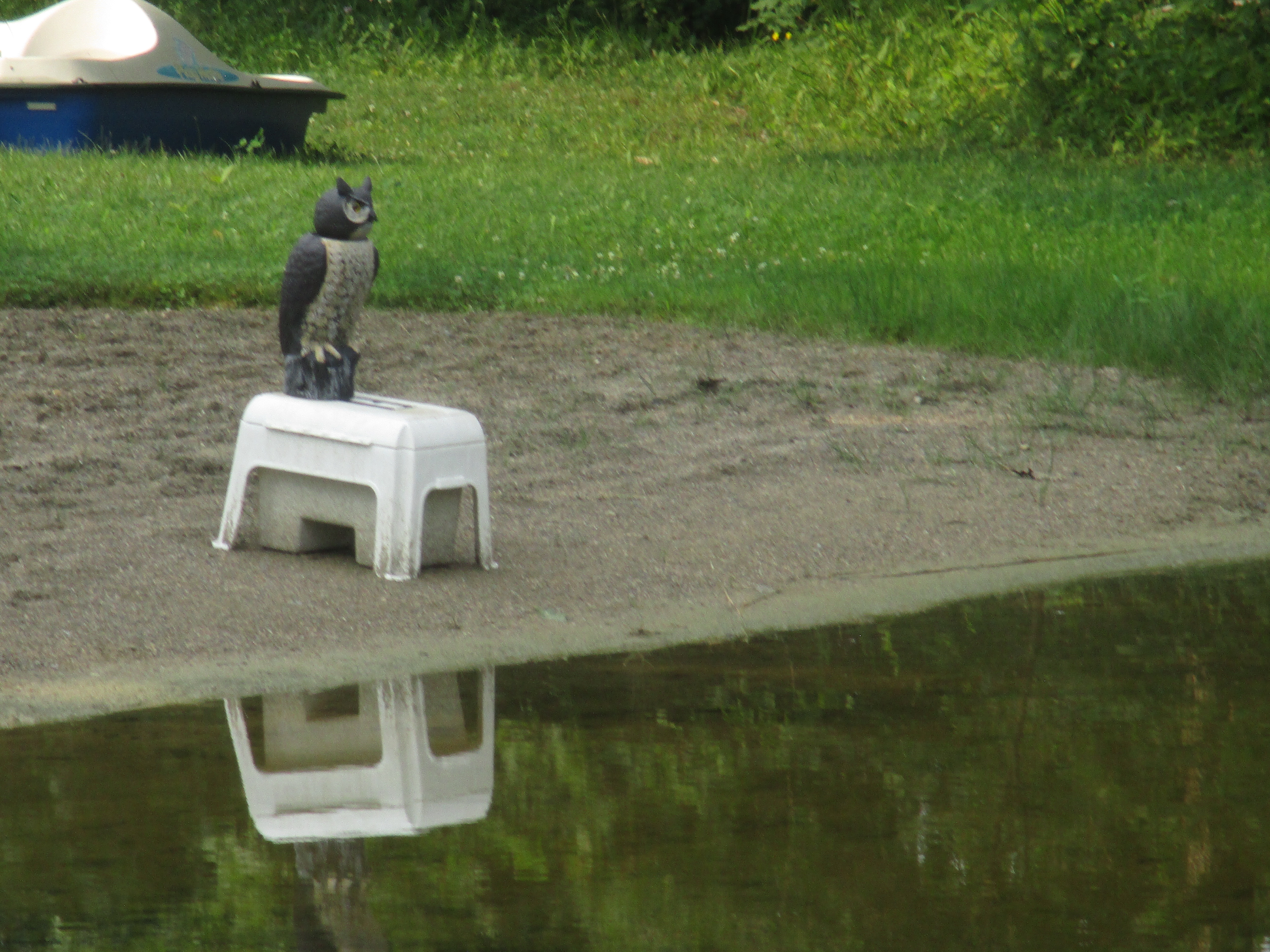
For a couple of weeks we were having ducks visit our pond and a daily basis. Ruby would chase them off, but they kept returning. We generally embrace nature, but we don’t want ducks or geese in our pond or on our beach as they can introduce bacteria and parasites that could be harmful to those of us enjoy swimming in the pond. After a couple of weeks of this repeat behavior my husband decided Ruby needed some support. He brought out our Guard Owl and stationed it on the beach. We have not seen the ducks since the owl had been in place and as a bonus the chickens stay off the beach as well.
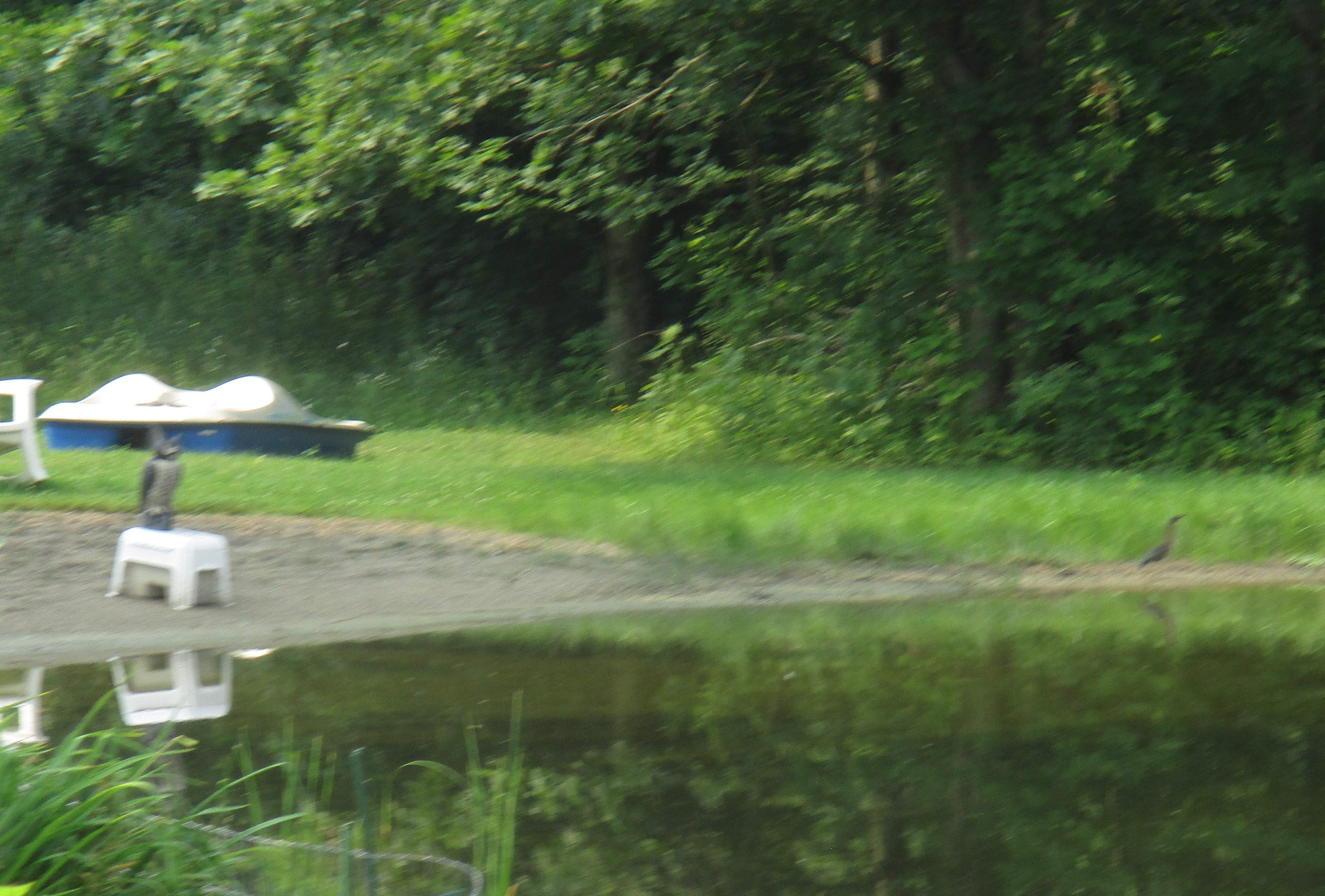
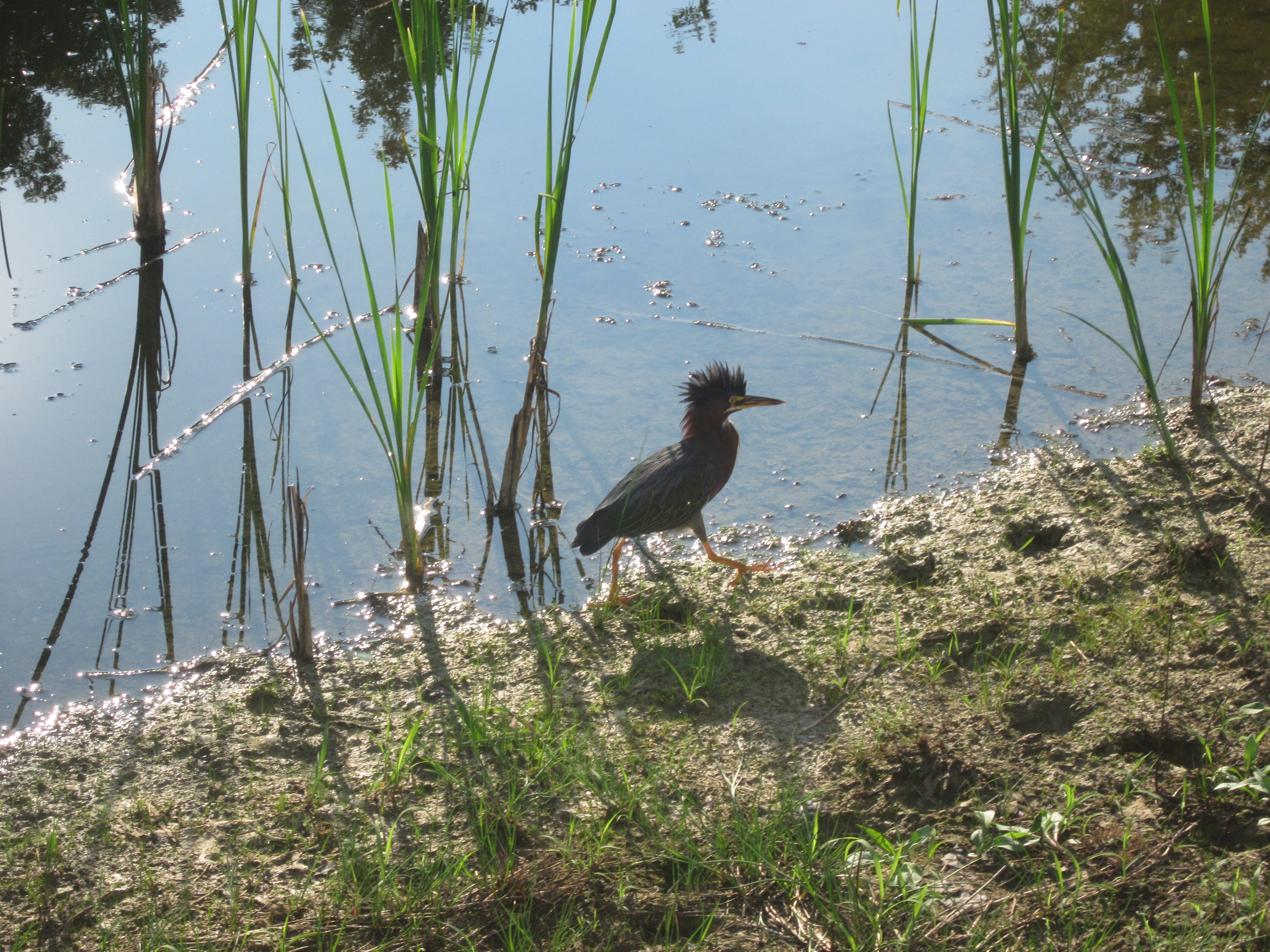
Our green heron has returned. (Can you see it off to the right in the above photo?) It doesn’t seem to be bothered by the owl.
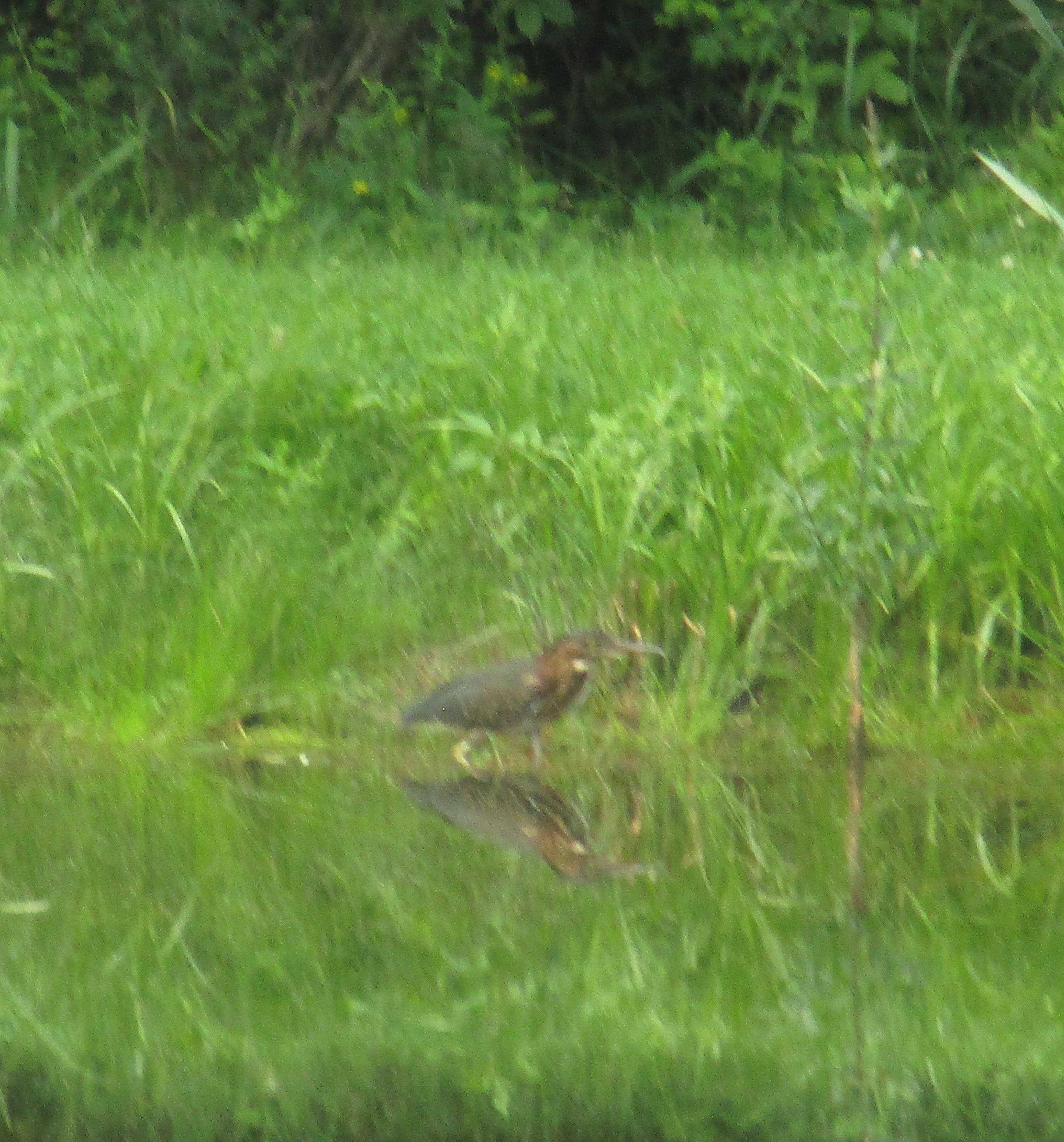
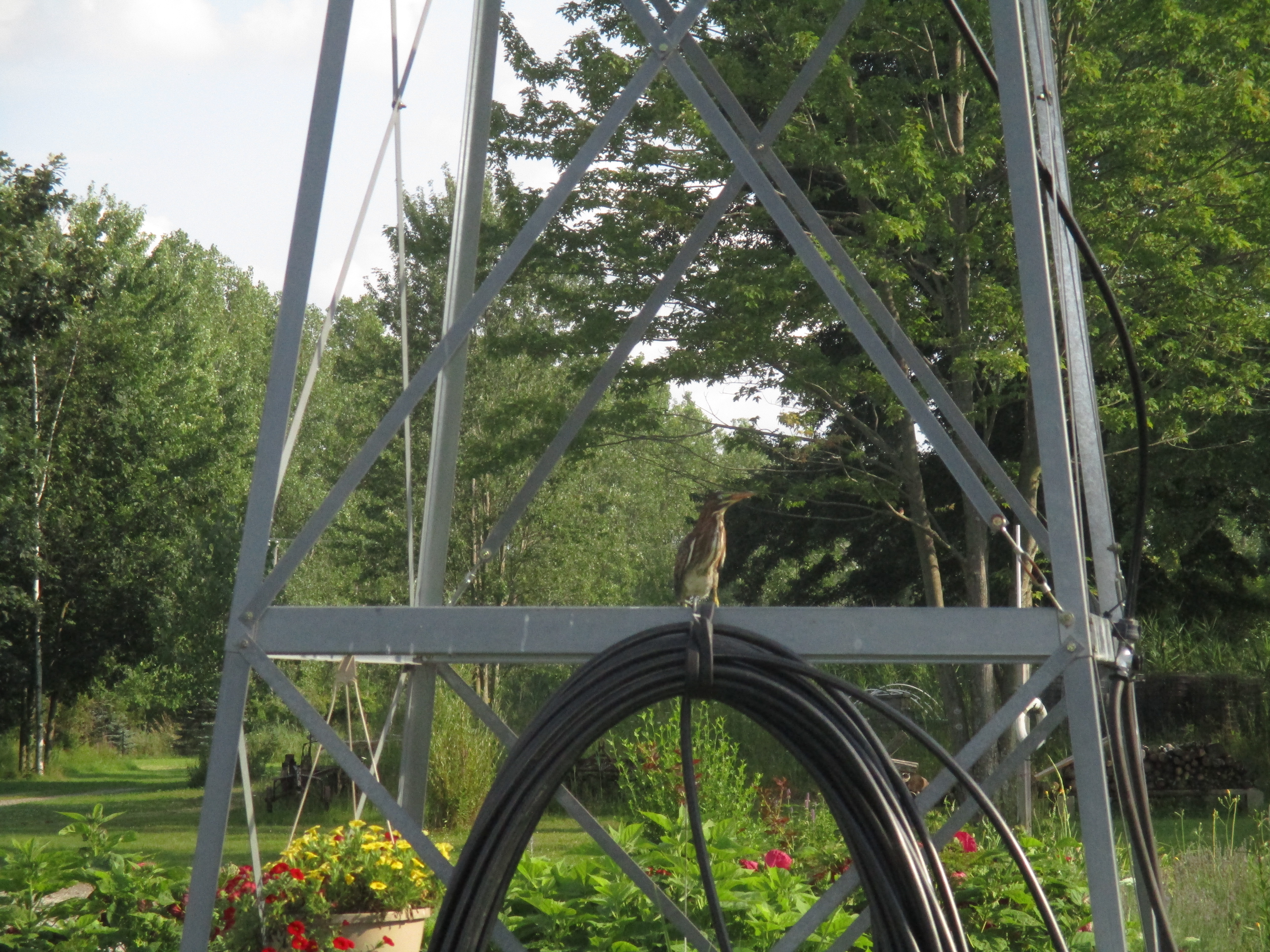
Here is a closer but a bit blurry photo of the green heron.
The chickens still like to forage around the edges of the pond.
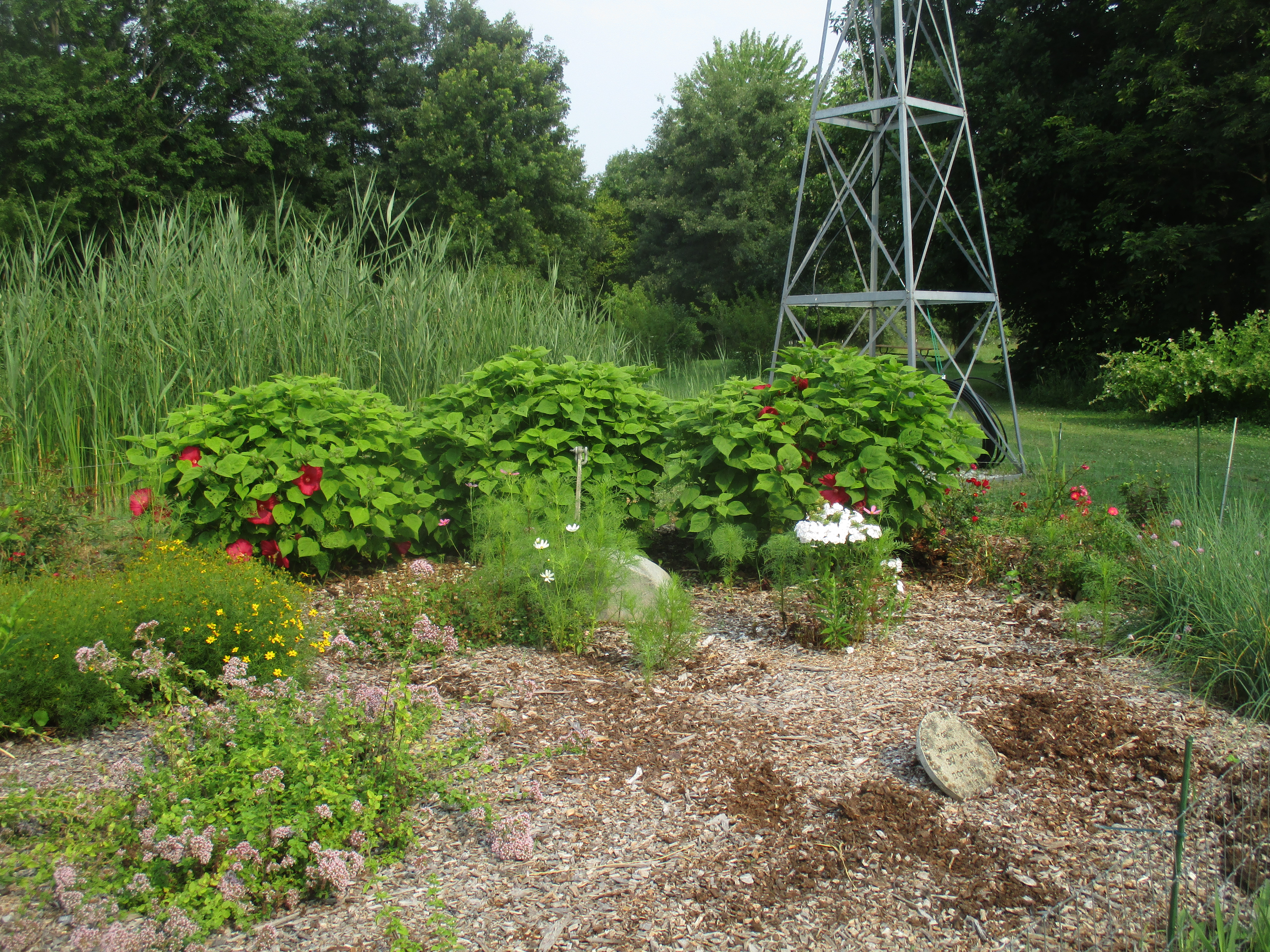
What’s Blooming?
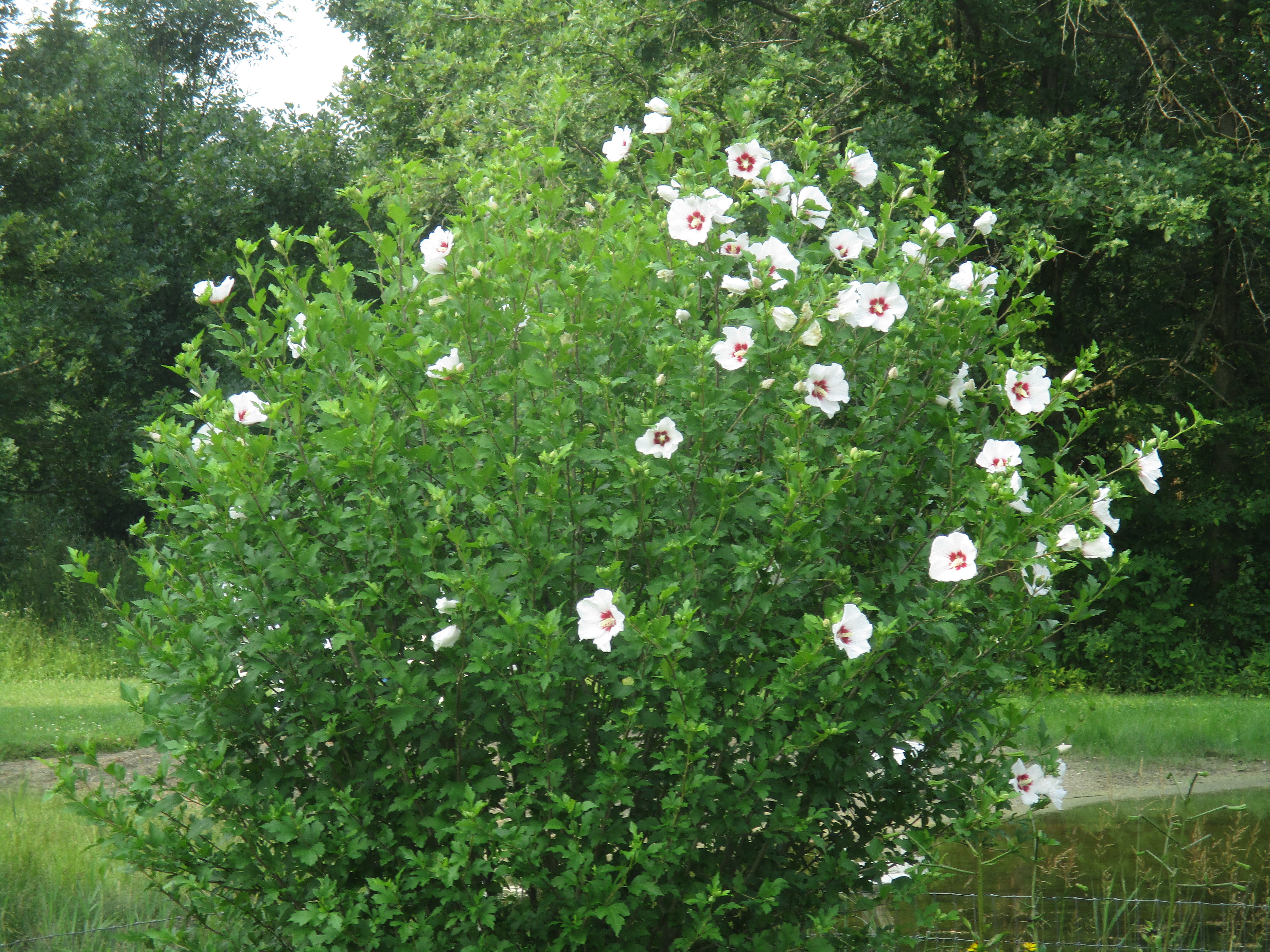
Rose of Sharon
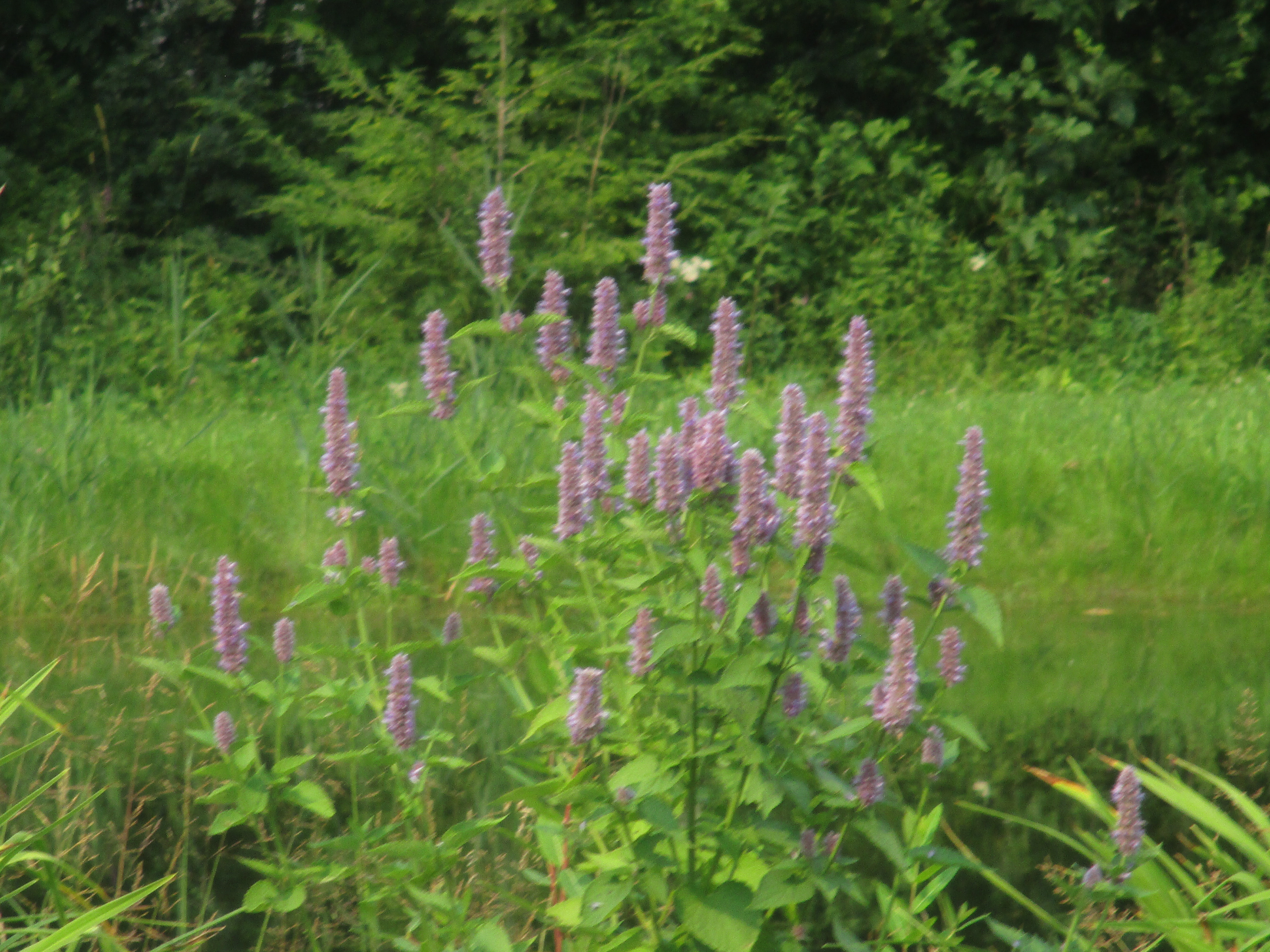
Anise Hyssop
Oregano
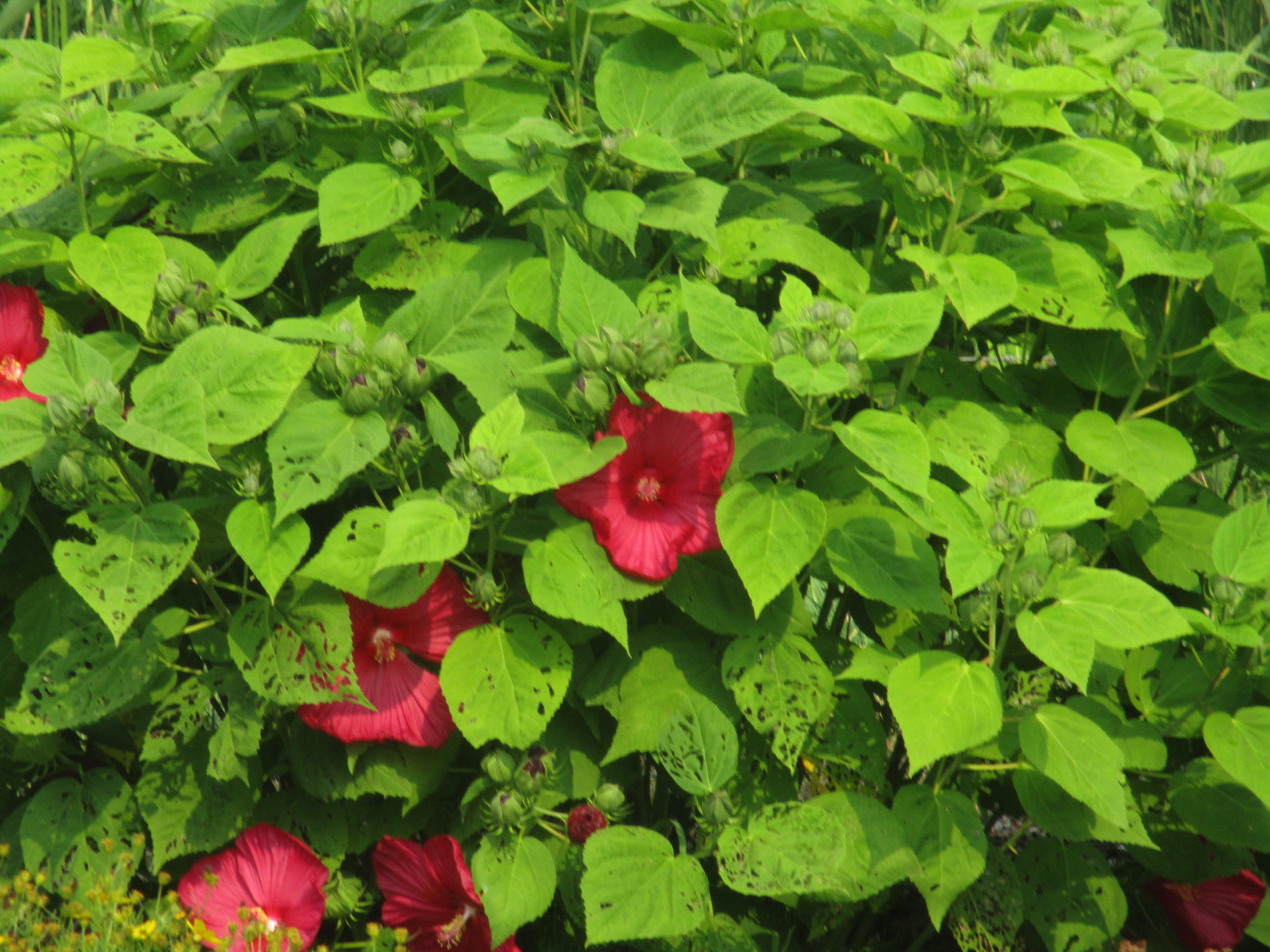
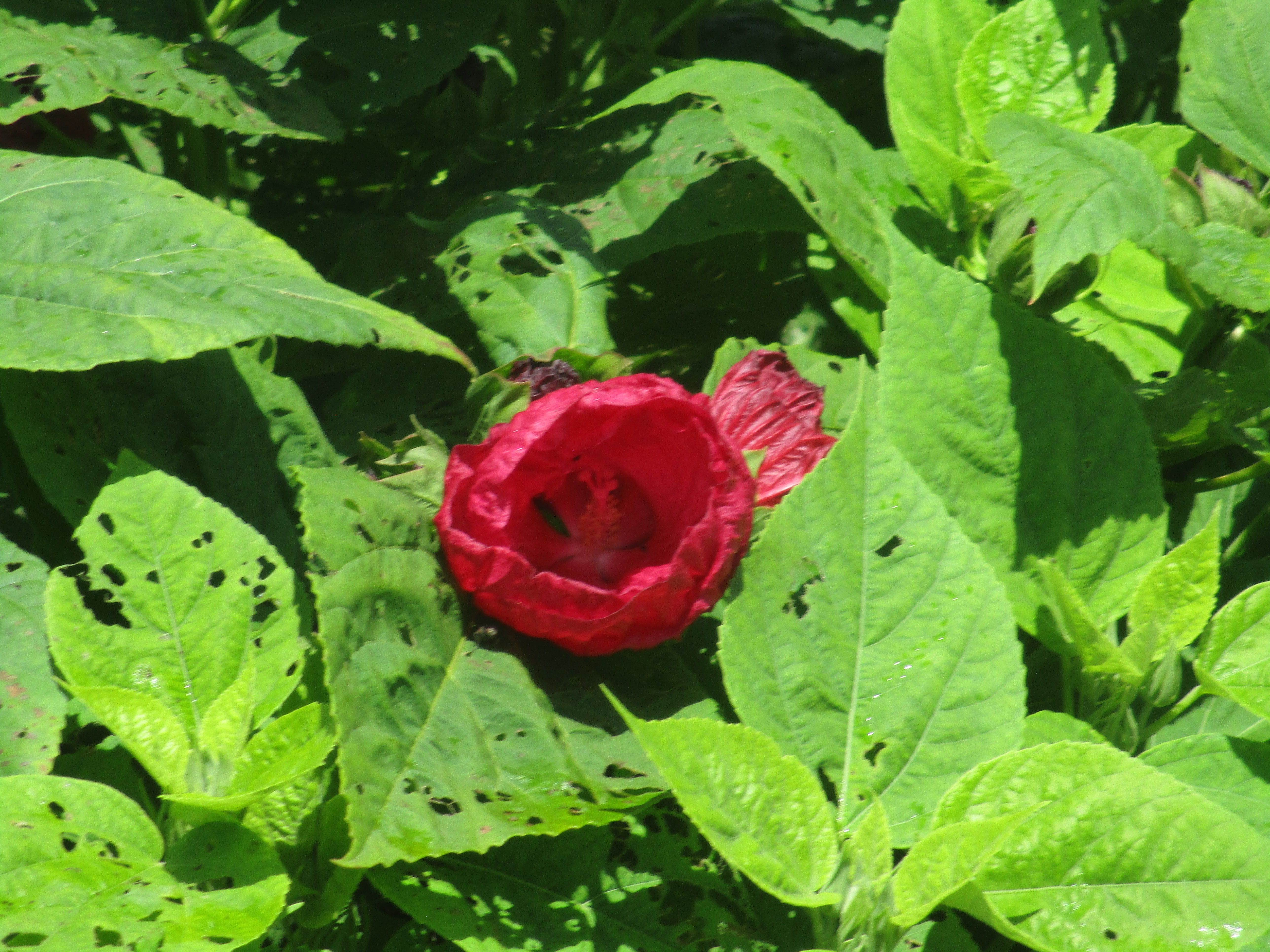
Hibiscus
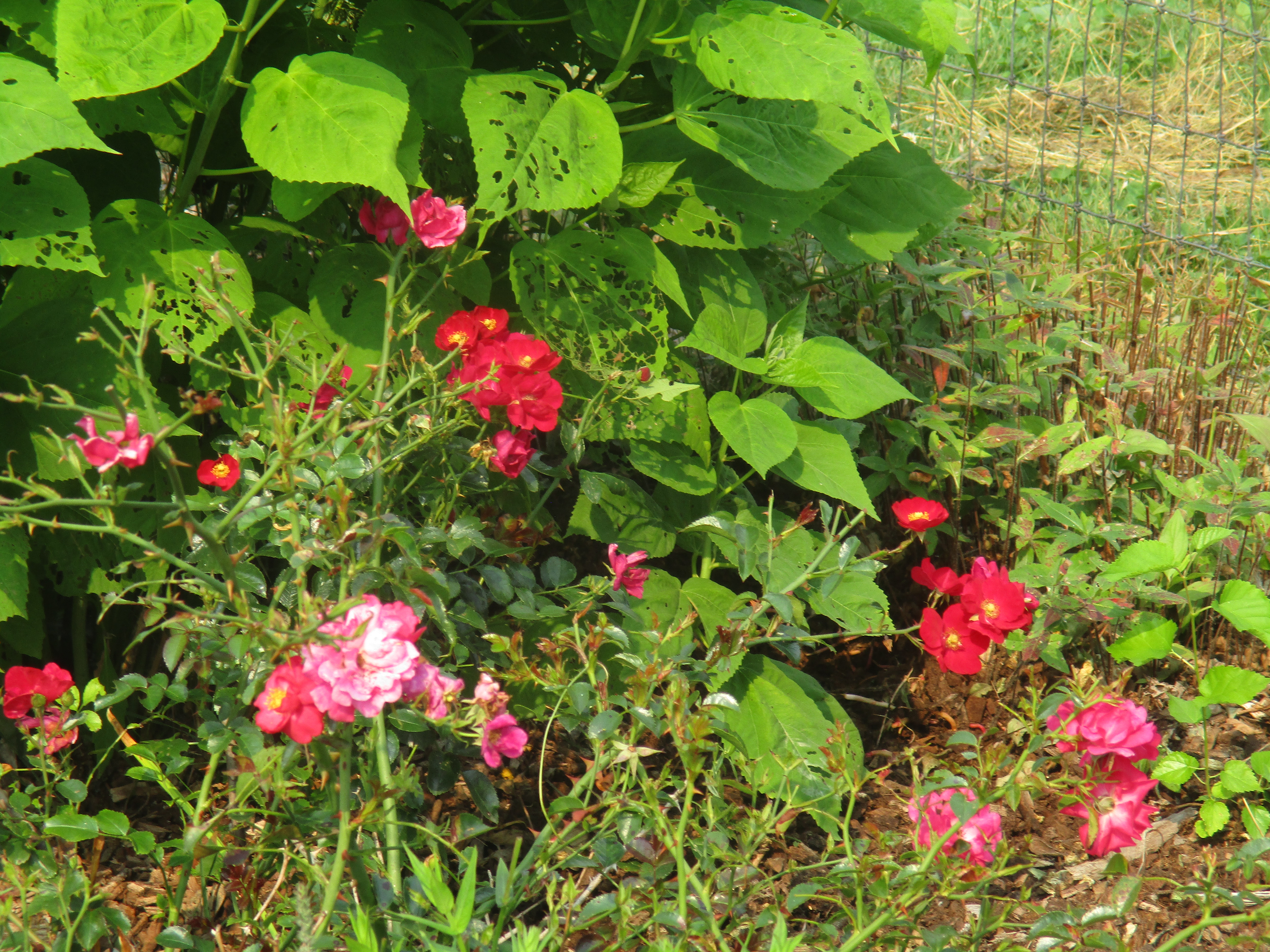
Roses
Hostas
In the Garden
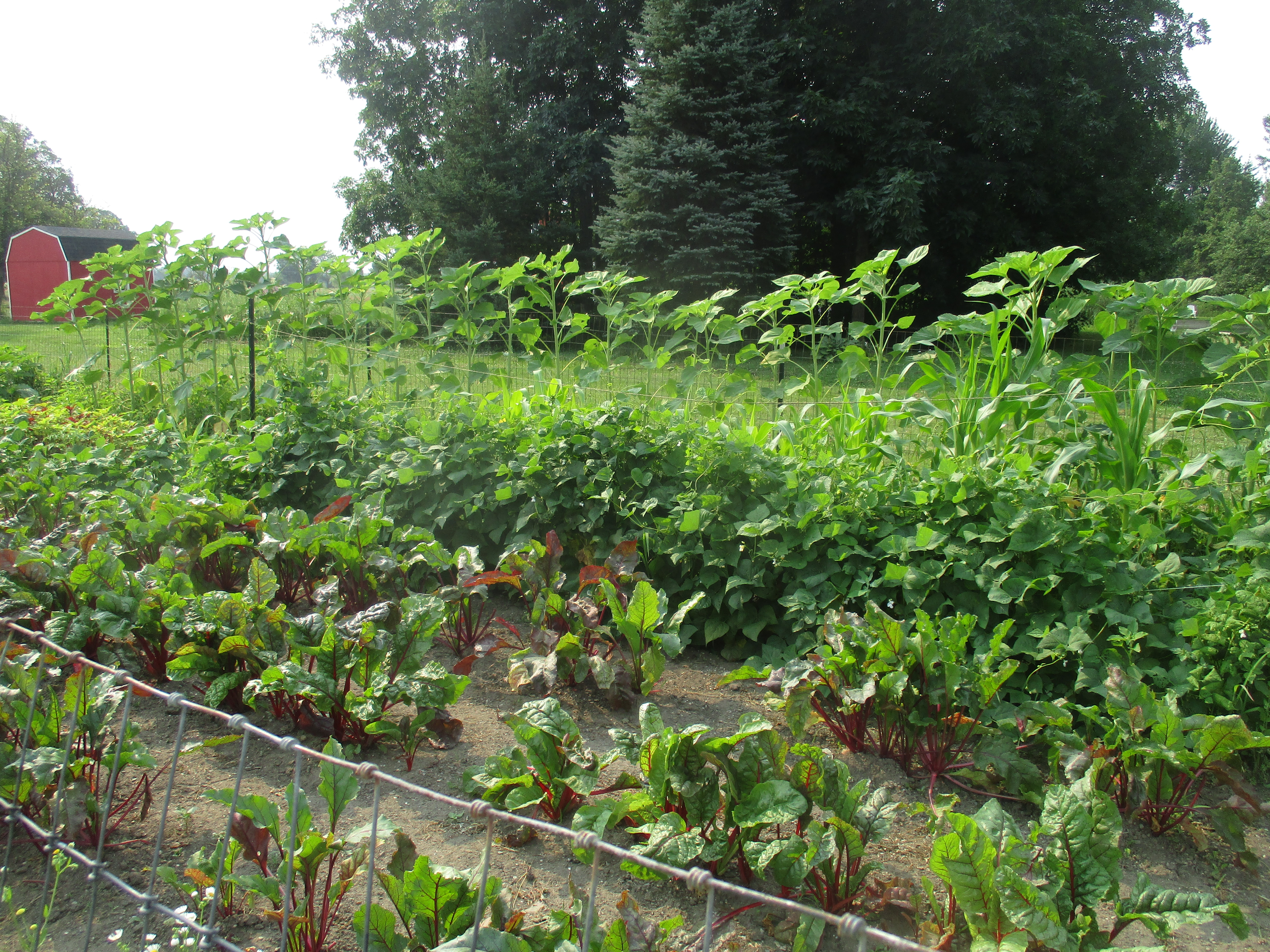
Corn and Sunflowers
Beets and Swiss chard with Green beans in the background
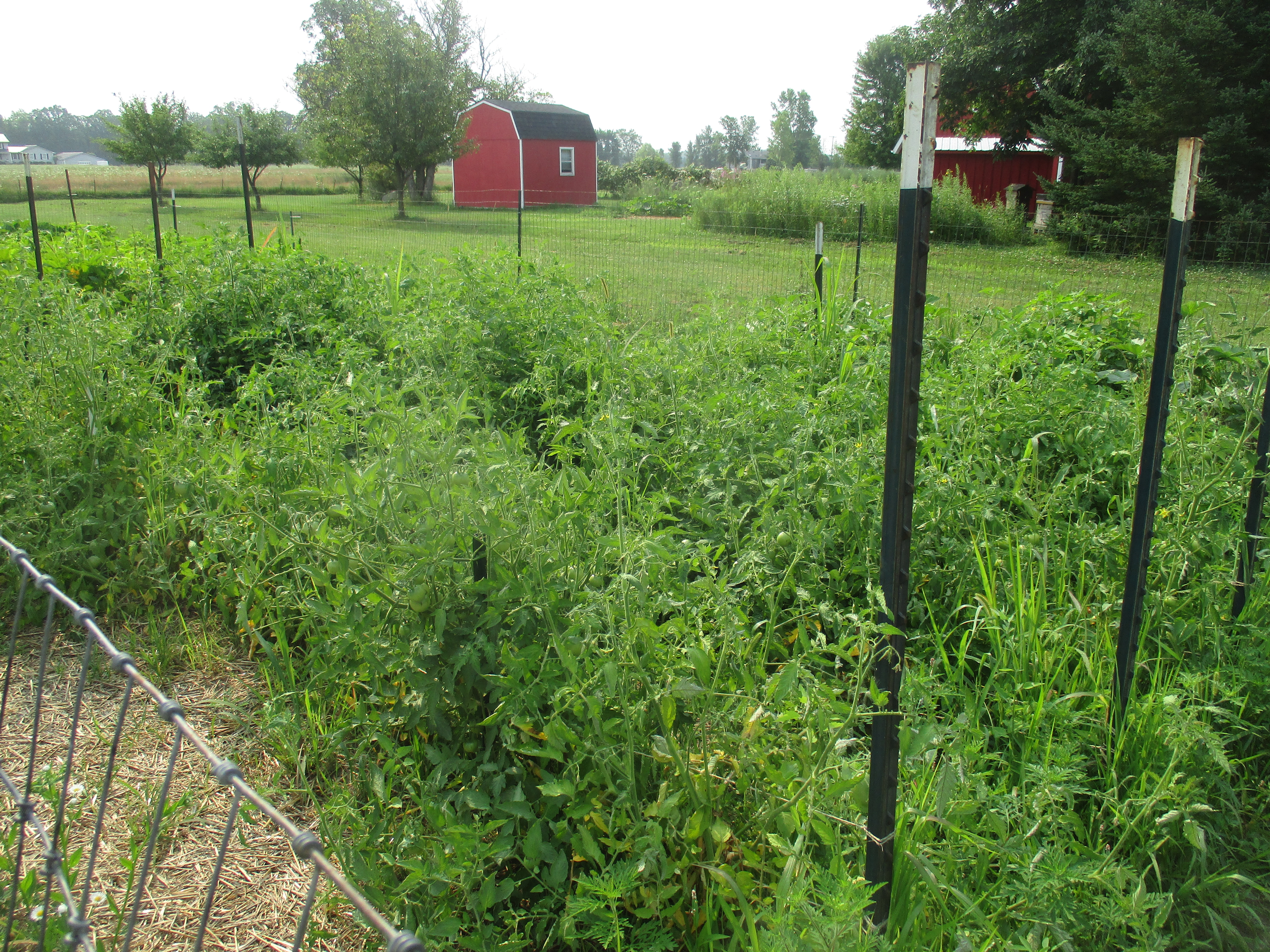
Tomatoes
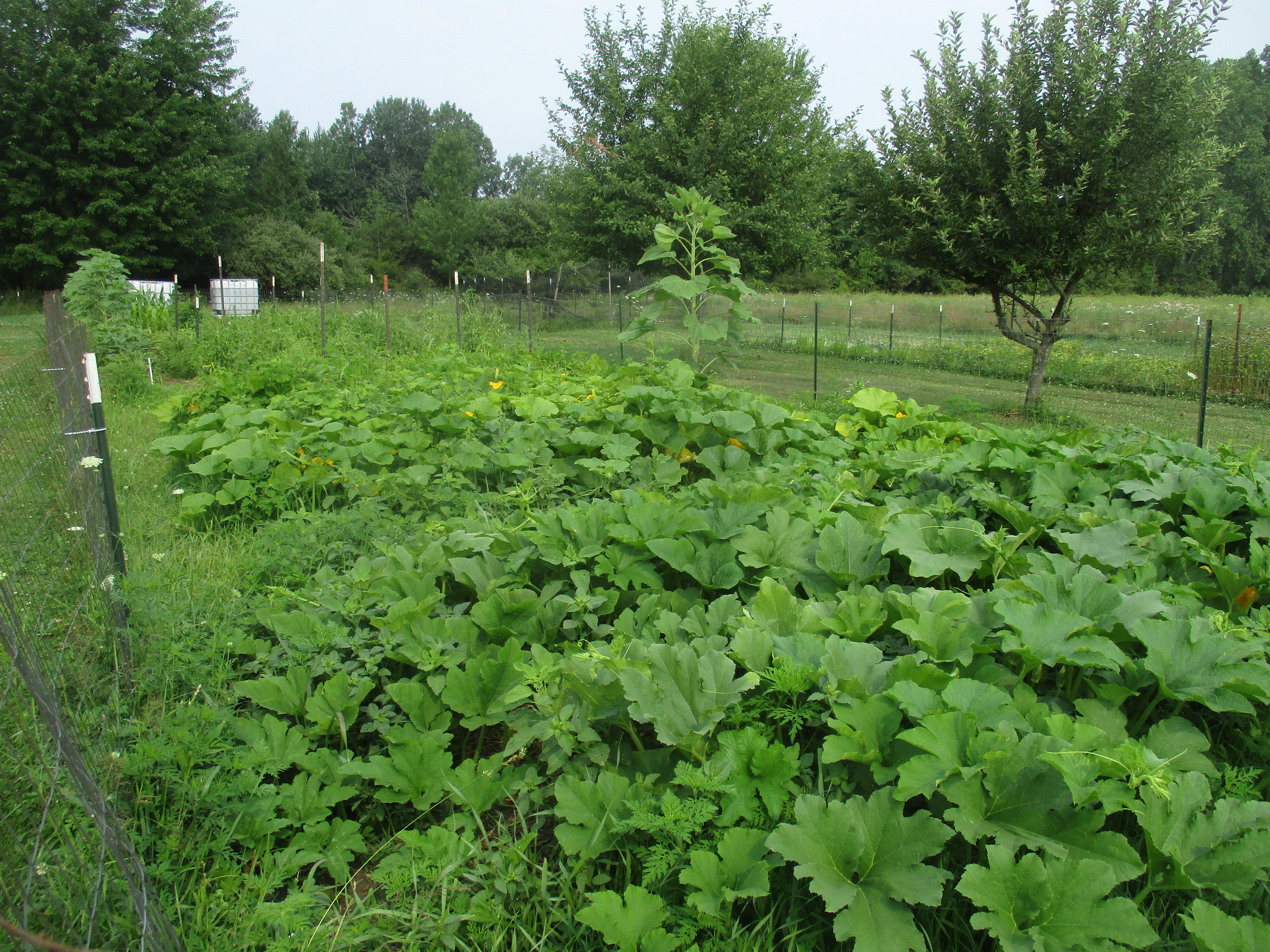
Squash and Pumpkins
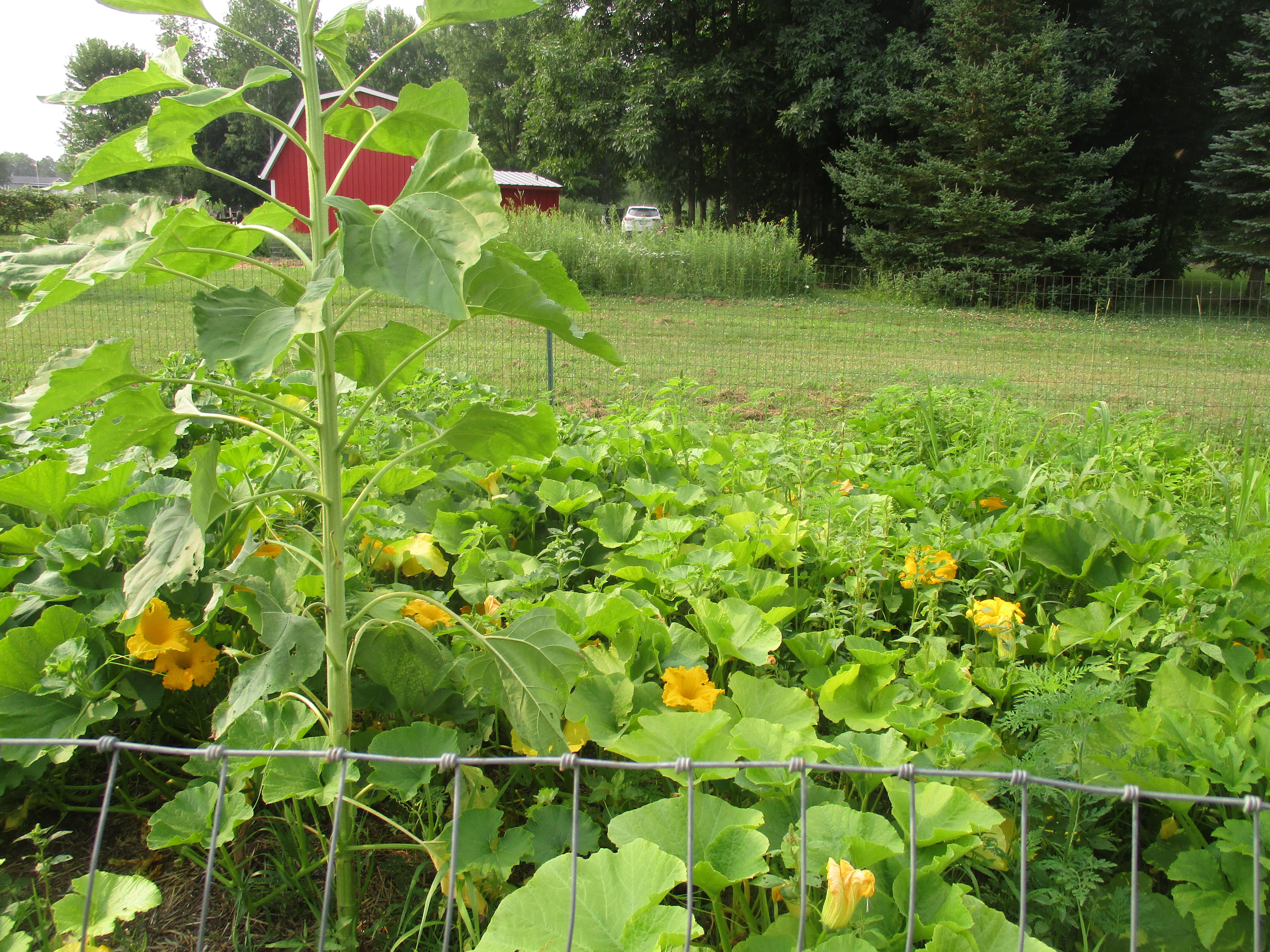
A volunteer sunflower popped up in the squash bed.
Wild Flowers
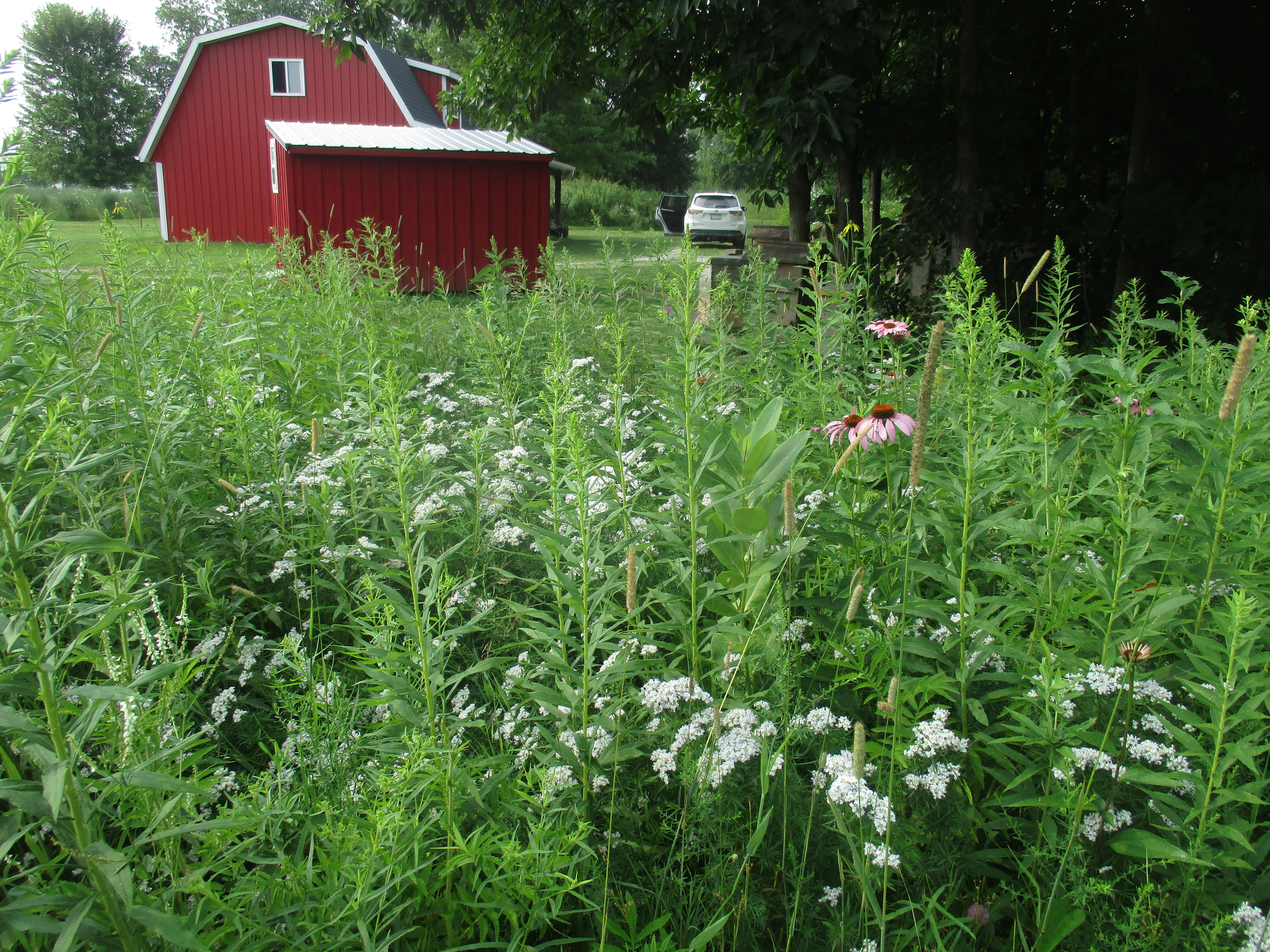
Mountain Mint and Echinacea
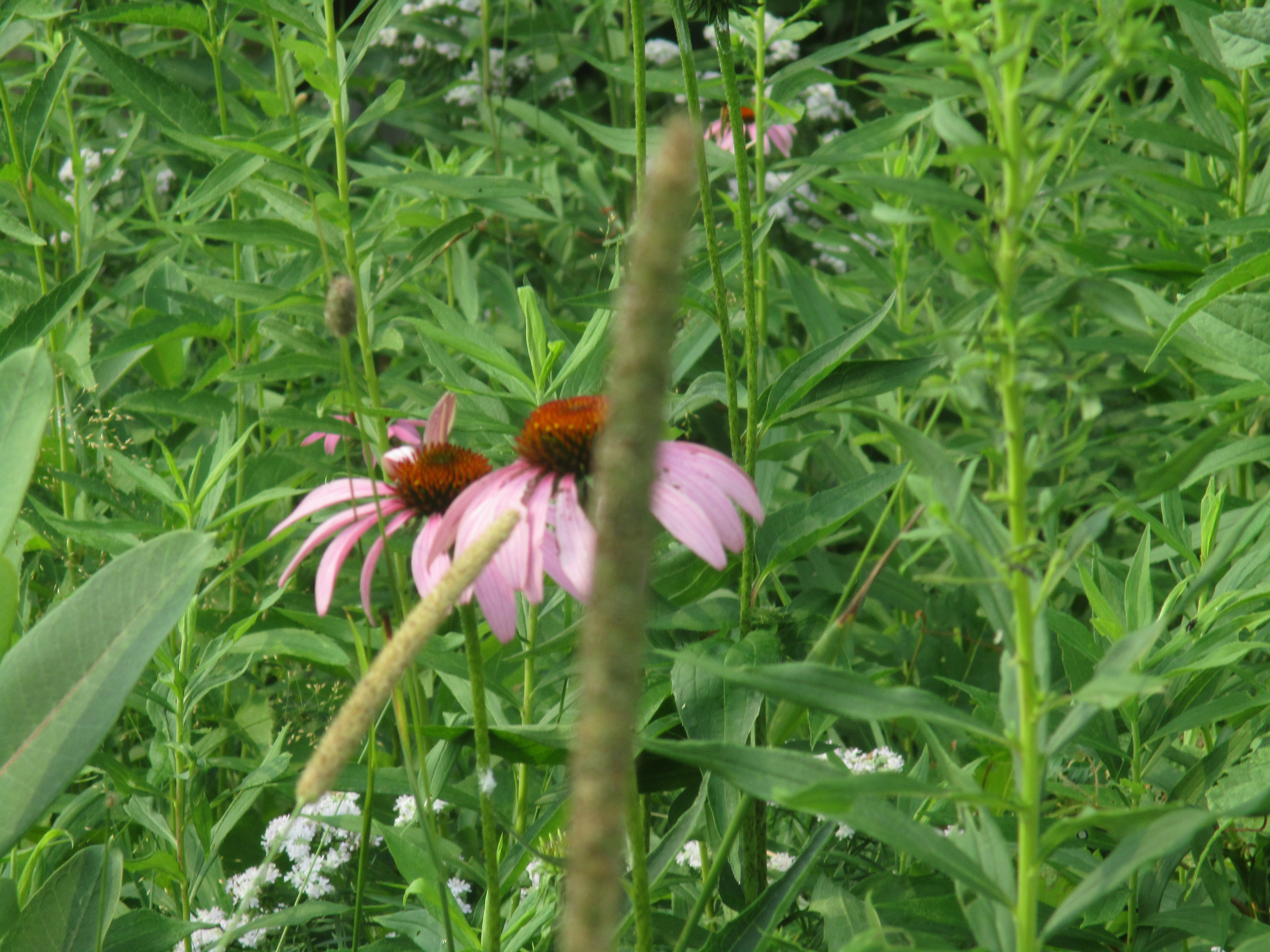
Echinacea hiding behind Timothy
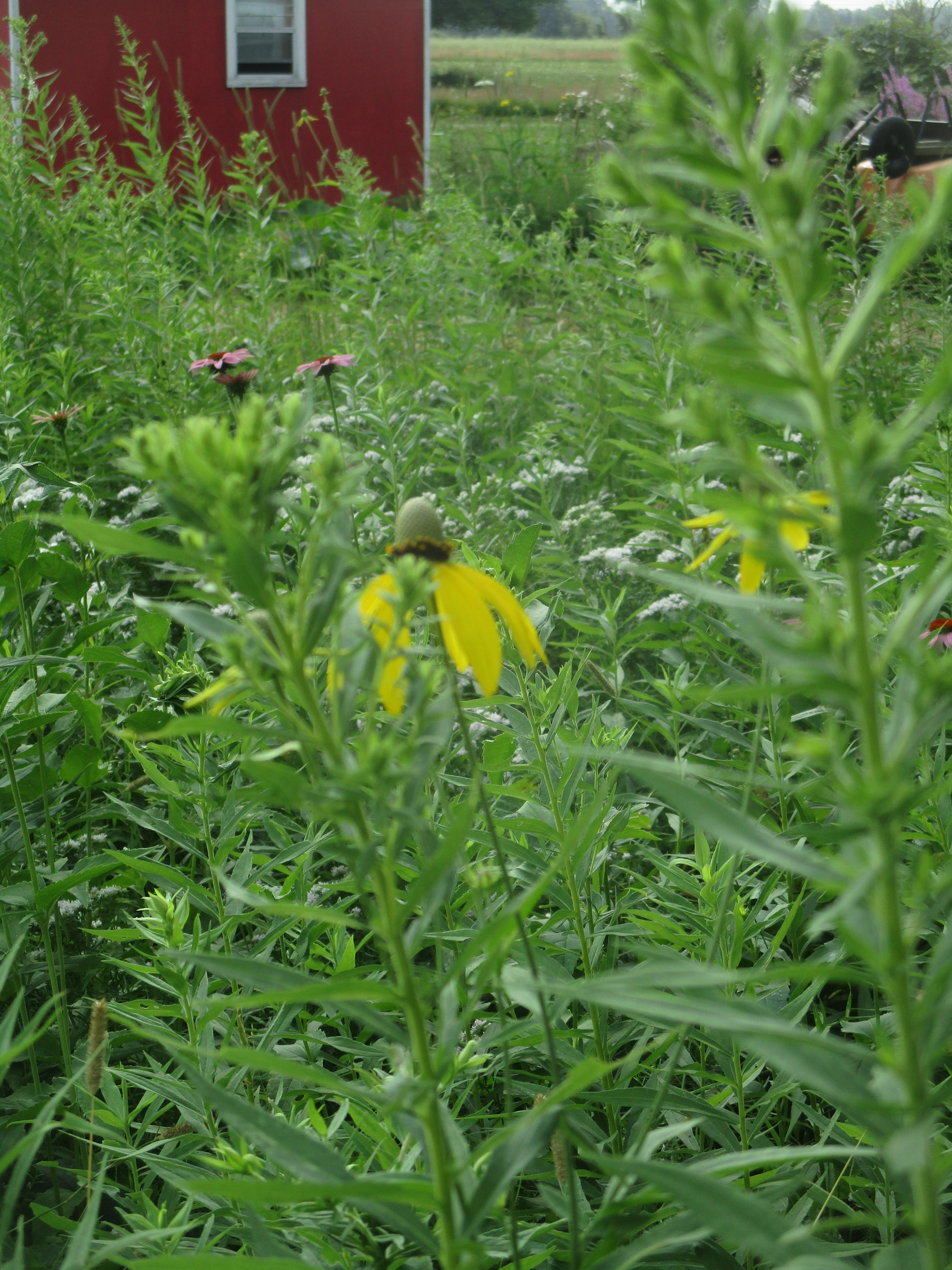
Rudbeckia Laciniata (a type of cone flower)
Purple Loosestrife and Mountain Mint
Queen Anne’s Lace
Queen Anne’s Lace and Milk Weed (I’m not sure what variety of milkweed.)
Purple Loosestrife
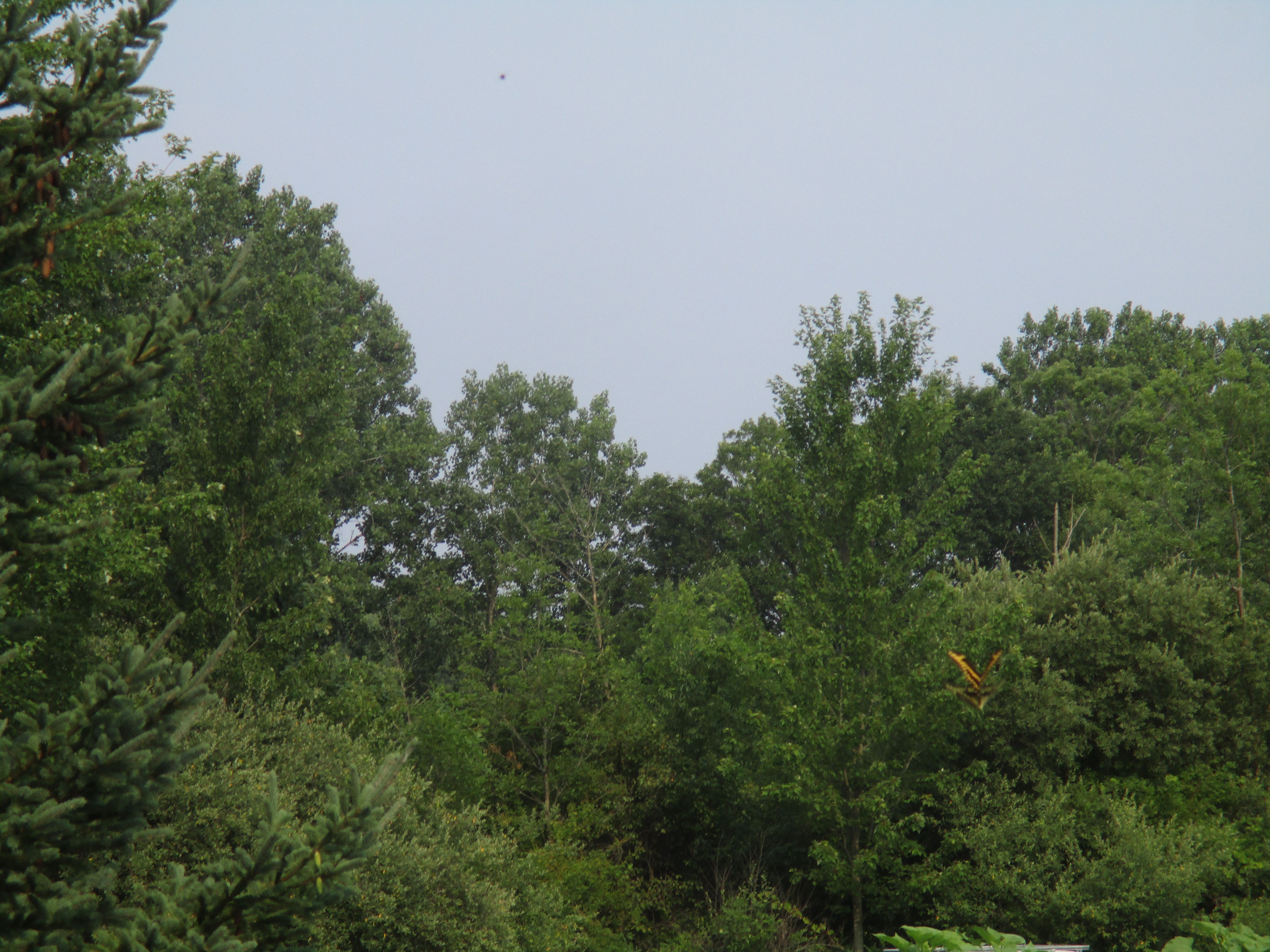
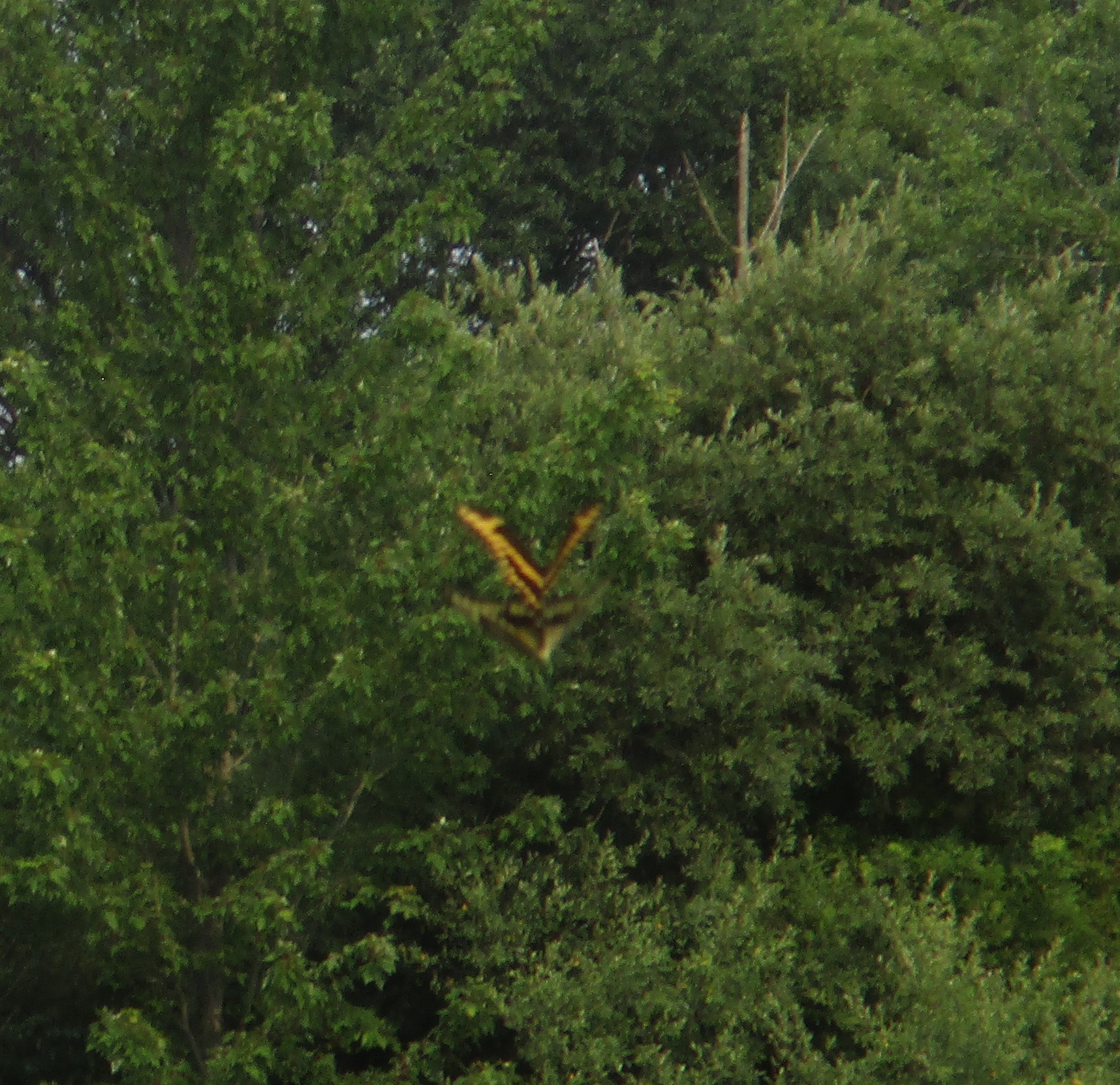
As I stood by the wildflower patch a noticed two swallowtail butterflies dancing by. They were so beautiful. I pointed my camera in their direction and clicked a few pictures. They are barely visible in the above photo.
The beauty in digital photography is that I was able to crop the photo so we can see both butterflies.
I feel like I just wrote my review of June and already we are more than a week into August. July 2023 is history but let’s take a look back to some July stuff.
Weather
Our July weather was anything but typical. While we didn’t suffer the extreme heat that much of the country did, we had a very wet month. Typically, we spend a lot of time watering the gardens in July but this year there was no need for that. In fact, we had much more rain than we needed for some of our plants to thrive. My husband saw a report that our area had over eight inches of rain fall in July. Our average rainfall far the month is less than four inches. We were blessed though that we didn’t get any of the large hail or damaging winds/tornadoes or power outages that areas around us had.
Gardens
Blueberries have been our superstar crop this year. I mentioned picking blueberries in a couple of my previous posts and we have continued to pick them into August. I told my husband that since we pray for God to provide for our needs, I assume that God is telling us that we need to eat lots of blueberries.
We have also been picking green beans and cucumbers. Some of the green beans went into the freezer but most we enjoyed with our dinners.
So far we’ve had enough cucumbers for me to make 6 pints of bread-and-butter pickles which makes my husband happy because we only had one jar left in the pantry from last year.
All of the cauliflower died and much of the cabbage either died or is struggling so I was surprised to see that broccoli plants forming crowns.
I would be delighted to pick a few bunches of broccoli this year.
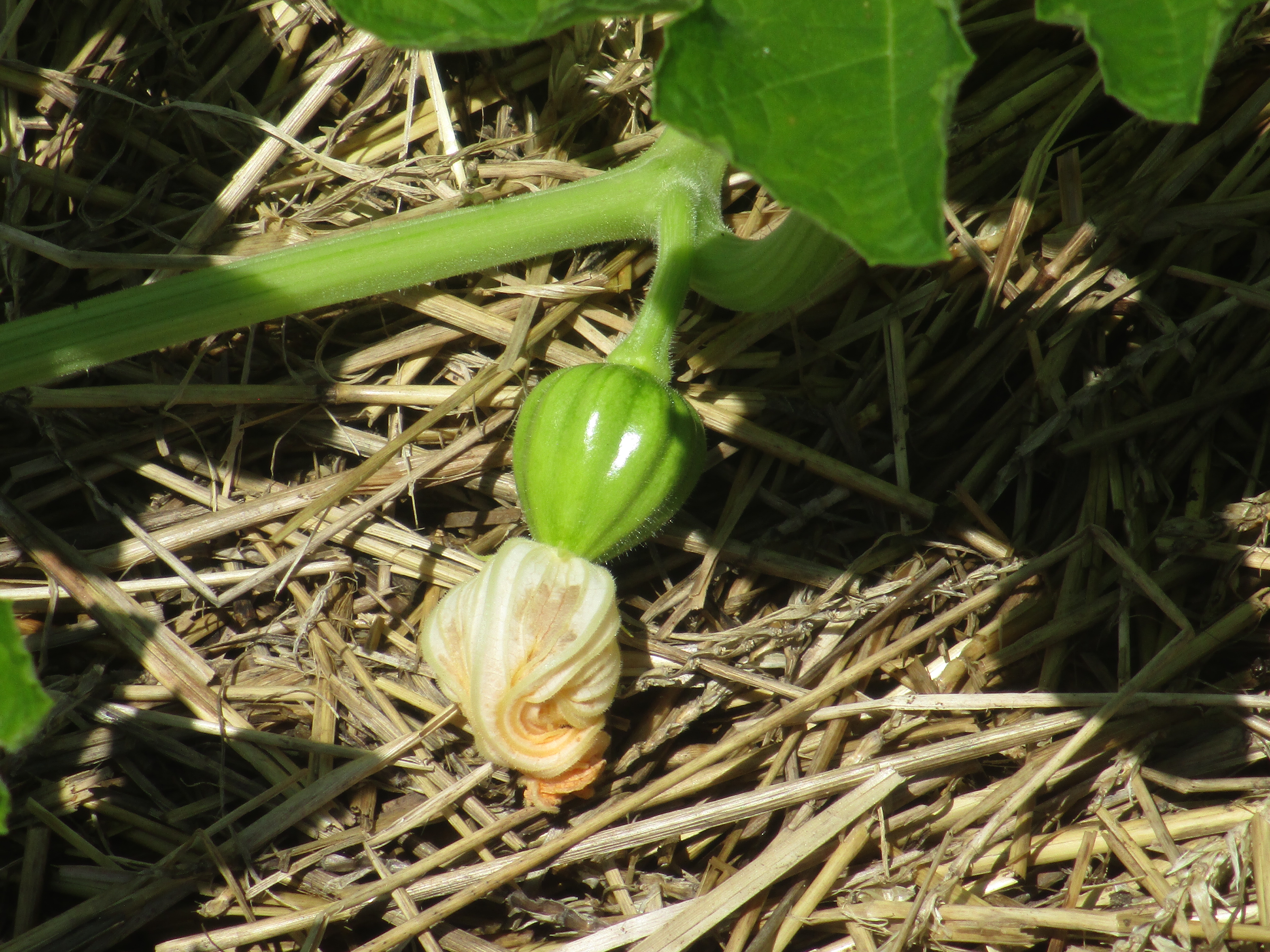
Our squash and pumpkin plants seem to be faring well so far.
We are seeing small squash and pumpkins on many of the plants and even some cantaloupes starting to form fruit.
Colors
The colors this year are beautiful – lush greens and bold colored flowers.
The lavender continued to blossom and was heavily foraged by bumble bees and honeybees throughout July and well into August.
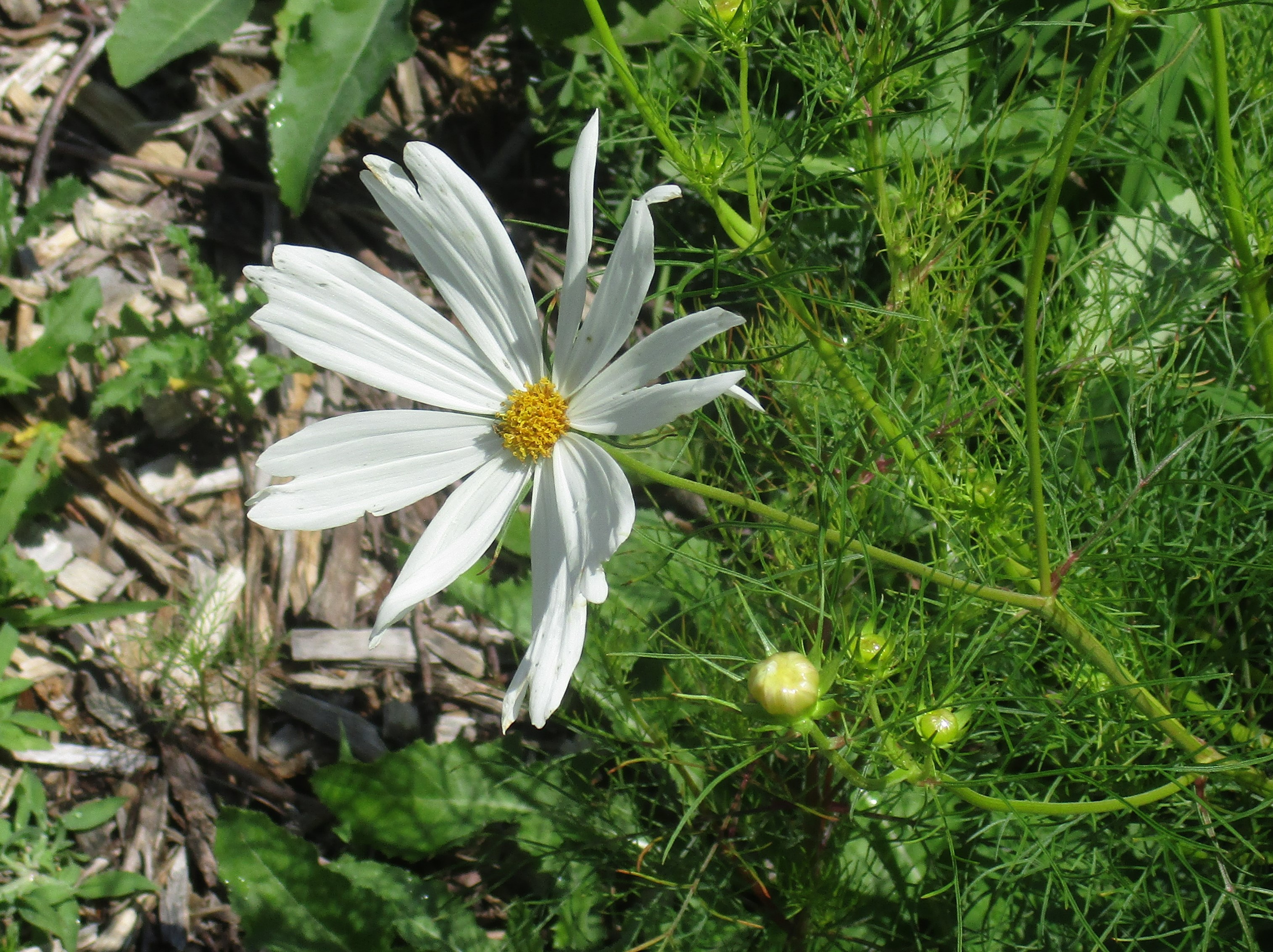
I was surprised to see that this cosmos that came up voluntarily from seeds that were dropped last year is white while all of cosmos last year were all pink. I not sure how to explain that – likely is has something to do with the plant’s genetics. I’m now waiting for others to blossom to see what color they are.
It was the very end of July when the hibiscus began to blossom.
Purple coneflower in a patch of wildflowers.
Early in July I decided to dig up some Black-eyed Susans that were outgrowing their designated spot at the house and plant them at the farm. I wanted them in the front corner of the fence where I can’t get to with the riding mower. My husband planted them for me and for several weeks we’ve been waiting for them to bloom. Now they are. Black-eyed Susans spread through underground rhizomes and by seeds that they drop so my hope is that they will not only fill in this corner but spread some along the fence as well.
Mosquitoes
The wet weather has been ideal for mosquitoes. Did you know there are more than 3000 species of mosquitoes worldwide? Around 60 species in Michigan alone. I found this very interesting article that explains about different types and where and when we might expect them to hatch, grow and live.
The mosquitoes that we are currently plagued with would be categorized as floodwater mosquitoes – these eggs are laid in depressions in the ground that flood or hold water when conditions are right. The eggs may remain viable for up to seven years.
While dragonflies, frogs, toads and many of the bird species that live on, or visit, the farm are known to dine on mosquitoes, apparently there are more than enough to go around because more often than not a trip to the farm means dousing ourselves with that horrible bug spray in order to prevent being eaten alive by these vicious blood suckers. Sadly, I’ve not spent as much time outside as I normally would because I try to avoid the use of chemicals as much as possible.
Birds
Sometime during the last week of July our green herons returned.
Each year the pair shows up in late summer and spends several weeks with us. Since we have never seen their nests or their young, I assume that by this time they have raised their young and then stop at our pond for some fine dining before they migrate south for the winter.
They seem to be pretty comfortable with us, flying up from the edge of the pond to the windmill and waiting there until we passed by.
You might remember this post from July where I showed you the life ring that had become a bluebird house. Well, we have since learned that there are baby bluebirds being raised there. (I tried to get a picture of them but it just looked like a black hole.) We are enjoying seeing the bluebirds coming and going as they care for the young. When doing some reading, I learned that bluebirds commonly raise three broods per season. I also found interesting that sometimes the babies from the earlier brood will stay around and help feed the next group of chicks.
We do plan on getting some new life rings next spring. I think we will also be buying or building bluebird houses.
Thanks for visiting and I you enjoy the rest of August.
As I mentioned in previous posts it was a stellar year for growing cucumbers. I lost track of how many jars of various of pickles I canned. The cucumber plants did stop producing and the vines dried up, so my husband has pulled them out and added them to the compost pile.
We gave cucumbers to family, friends and neighbors – pretty much anyone who we came in contact with was a least offered some cucumbers. I guess by early this week we had also had our fill of fresh cucumbers since there were four cucumbers that had been sitting in the refrigerator for several days and neither my husband nor I had offered up any suggestions on what we should do with them.
On Wednesday it occurred to me, I hadn’t saved any cucumber for one of my favorite soap recipes. That’s right – soap. I created this recipe several years ago. It contains cucumber and yogurt and has rosemary infused into the olive oil. Since many of the ingredients might be found in a salad, I named it Salad Bar (as in bar of soap). Don’t Eat It!
I pureed those last four cucumbers and put the puree in the freezer until I have time to turn it into soap.
If anyone is interested in this soap recipe leave me a comment and I will post it for you.
Today I’ll be canning. I expect to produce about 10 quarts of tomato juice but since my canning kettle only holds seven quart-size jars I will cook down the excess into sauce to be used in a meal later this week. Likely stuffed cabbage. Before I head to the kitchen to begin cutting up tomatoes and sterilizing canning jars let me tell you about the results of last week’s efforts.
Cucumbers Are Abundant This Year
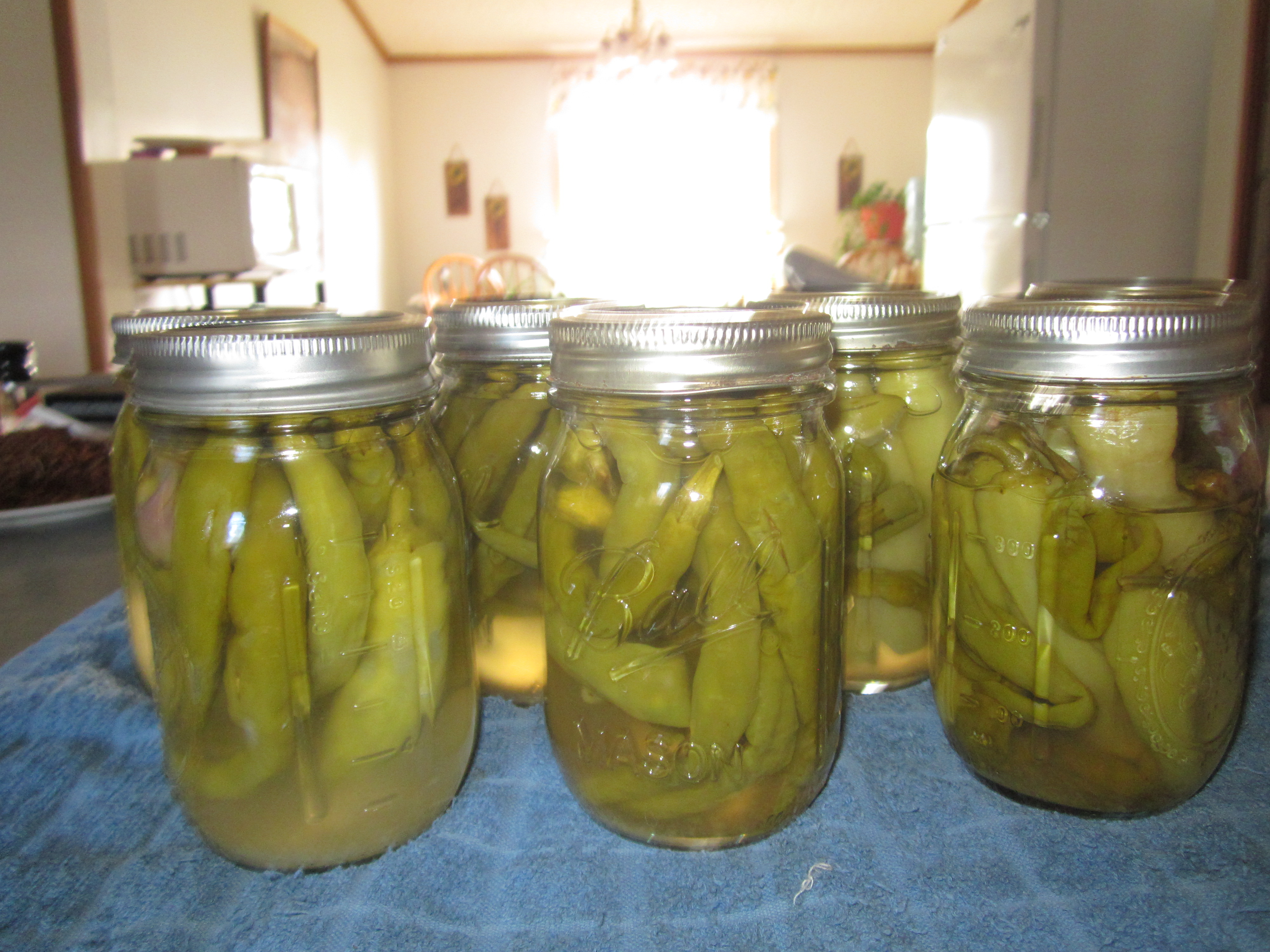
Pickled Peppers
Last week I canned:
6 quarts garlic dills
4 quarts hamburger dill slices
6 pints pickled peppers
4 quarts sauerkraut (still fermenting)
7 quarts tomato juice
6 pints bread and butter pickles
Some of our garden meals.
We also continue to include some of the fresh-picked bounty in our meals daily, something that only happens this time of year.
Grilled steak with boiled potatoes, steamed Swiss chard, glazed carrots and boiled beets.
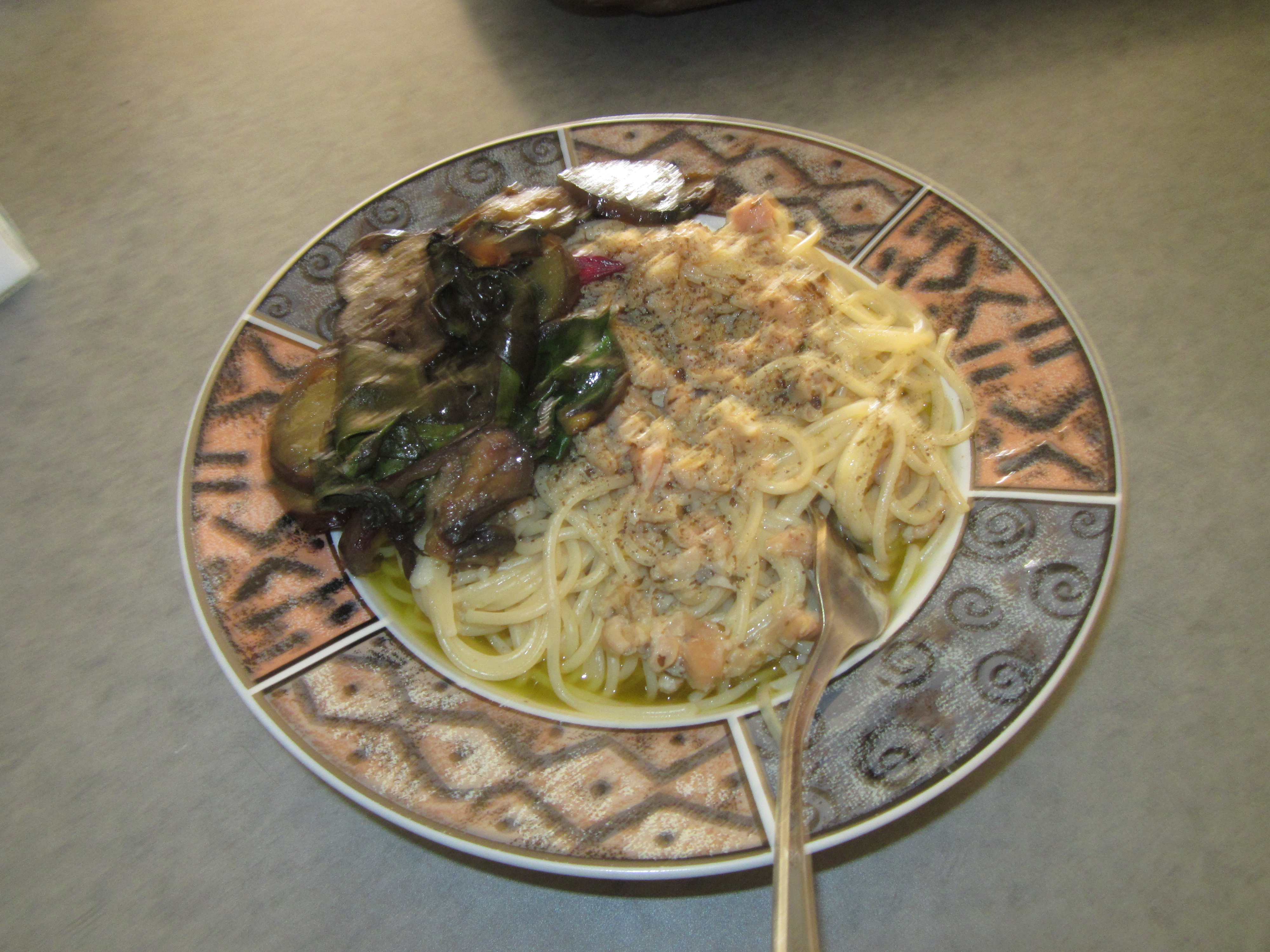
Pasta and Clam Sauce, Sauteed Swiss Chard and Eggplant
Pasta and clam sauce with sauteed Swiss chard and eggplant.
Not pictured: Tuna salad sandwich. I love to mix lots of veggies into tuna salad – chopped lettuce, diced tomato, shredded carrot, onion, diced celery, shredded or diced radish – mix it up with some mayo and spread it on your favorite bread.
Also not pictured: Another of my favorite summertime dishes is sliced cucumbers covered in a sour cream, dill and garlic dressing.
Other News
Last week our young hens began laying as evidenced by the tiny egg(s) my husband collected. First time layers usually lay a few tiny eggs before they begin laying regular size eggs. Inside the tiny egg is mostly or all egg white (there might be a small speck of yolk as well.)
The hens beginning to lay was kind of bitter-sweet as we lost one of the young hens to a prolapsed vent. Apparently, the egg she was trying to lay was too big for her. We are now down to just 5 of the 12 hens that started out as baby chicks this spring. Farming can often be heartbreaking.
Thanks for stopping by and I wish you a beautiful day.