The chicks, at four weeks old, were quickly out growing their stage two brooder so we began transitioning them to the chicken yard.
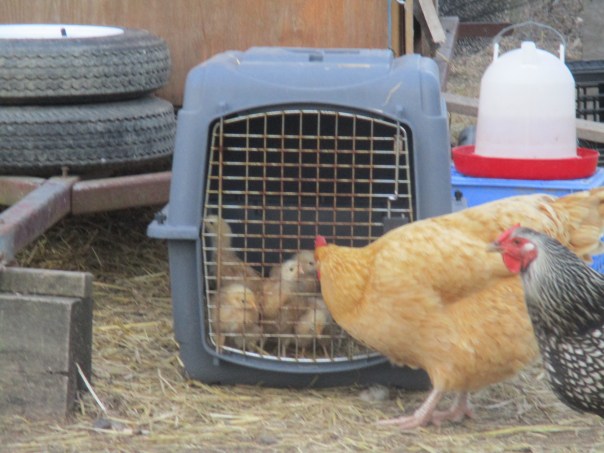
The gradual transition serves several purposes. It allows the older birds to get used to the young ones; it allows the chicks to become familiar with their new environment; and they have the warmth provided by the heat lamp in the stage two brooder while the nights are still cold.

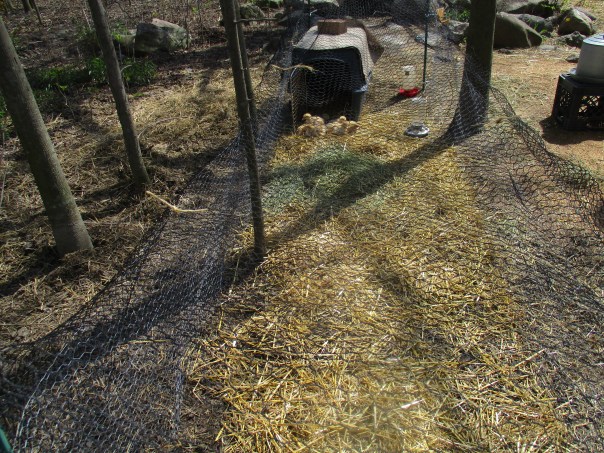
We set up a temporary enclosure within the chicken yard, near the coop. We use 4 t-posts and about 30 feet of 2 foot tall chicken wire. We also place netting over the top to deter overhead predators.

The spot offers both shade and sufficient sunshine, at least this time of year before the trees get their leaves. The wooden box provides shelter if they need it and the crate is used to transport the chicks to and fro.
Each day for about a week the chicks were taken out to this play yard to spend their day pecking and scratching and doing what chickens do, and each night they return to their stage two brooder.
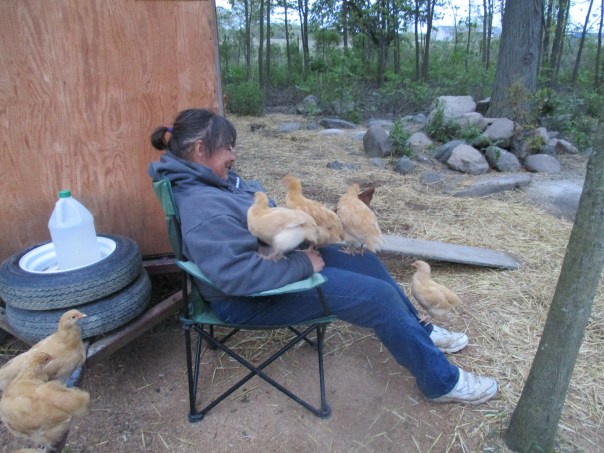
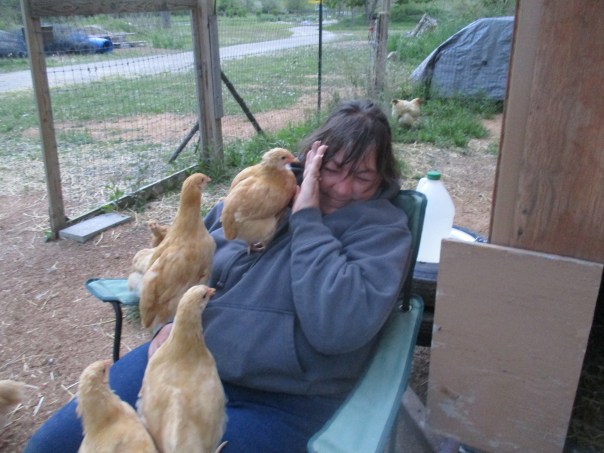
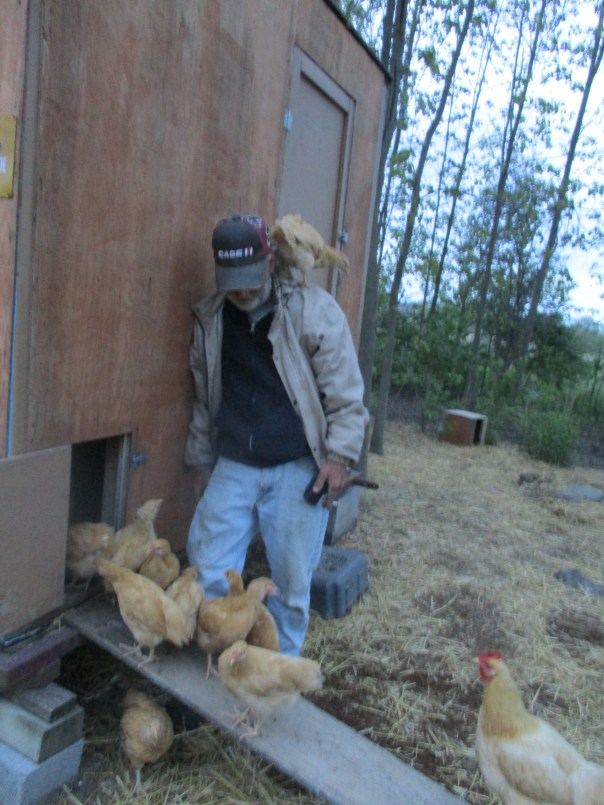
After a few days we began letting them out of their enclosure when we were in the area. They love this freedom and it is so funny to watch them run at full (chick) speed with wings flapping or crane their neck and jump to catch a bug in mid air.

Last week, when the chicks were about 5 weeks old and nicely feathered out, they began spending their nights in the coop. They have yet to find their way into the coop at night. Instead they find their way to the crate then we put them in the coop. We will begin training them to go in on their own soon.
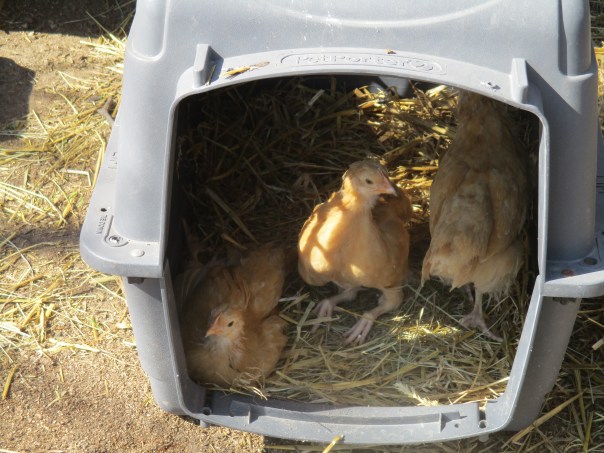
We have left the outside enclosure up for now and make sure the chicks are inside when we are not around. When we are there we allow them to free range, but they have yet to venture far outside the chicken yard.

Once the buds on the hickory trees become leaves we will take down the enclosure because the leaves in the densely treed area will provide a canopy to help hide the chicks from the view of over head predators.
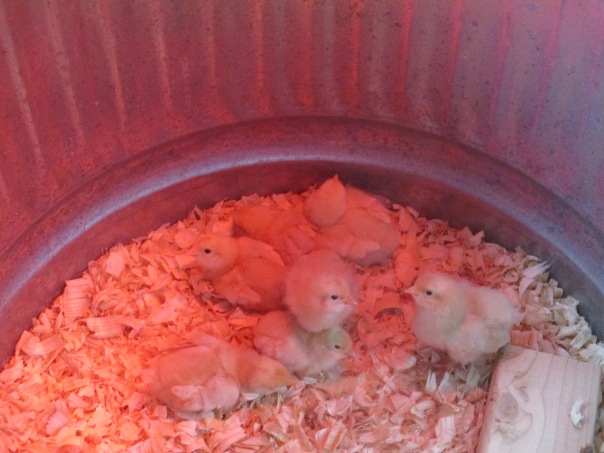
We really are enjoying raising this batch of Buff Orpington and Black Austrolorp chicks. They are very friendly and I would recommend these breeds for anyone considering raising chickens.
Thnaks for visiting. 🙂

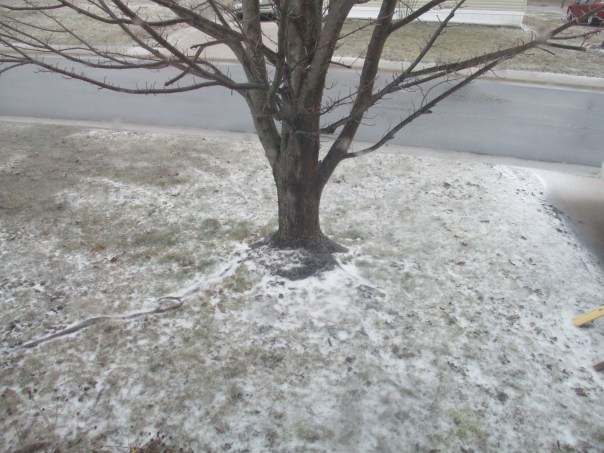 When I looked out the North window I could see that most of the precipitation that had fallen was in the form of sleet and freezing rain. It felt very discouraging since we should be three weeks into spring by now. Thankfully the power was still on. We had prepared for a power outage by bringing extra firewood inside, making sure that there was oil in the oil lamps, checking flashlight batteries and making sure the freezers were full so that foods would stay frozen longer. When the freezers are only partially full of food I freeze blocks of ice in cardboard milk containers to fill the empty space. When warm weather comes, and we are spending days at the farm, we will use these blocks of ice in a cooler at the farm to keep drinks and food cold. Buying bags of ice everyday can get quite expensive.


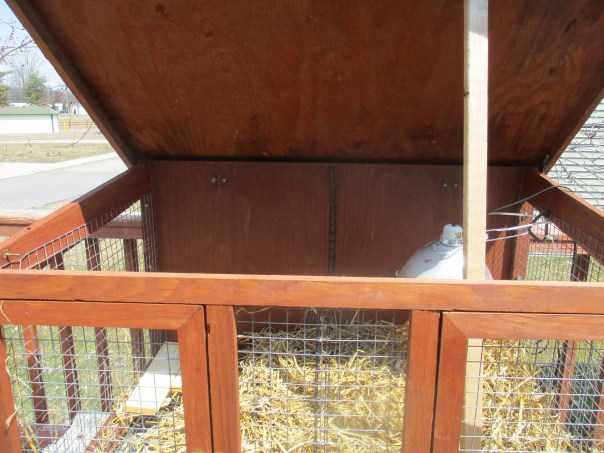 After assembling the hutch and putting in straw for bedding we use a zip tie to anchor the heat lamp in place.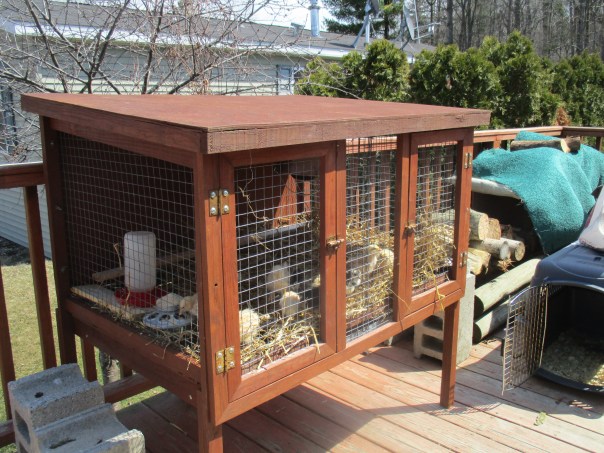




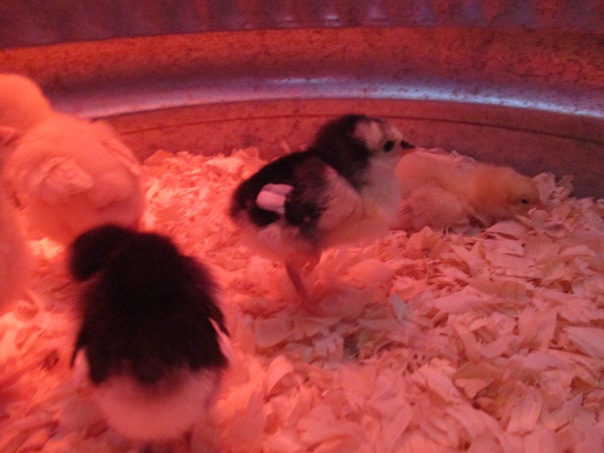 Black Australorps. This breed is supposed to be much like the Orpington except harder to spell. Just kidding, they supposedly lay more eggs than the Orpington. They certainly are adorable chicks.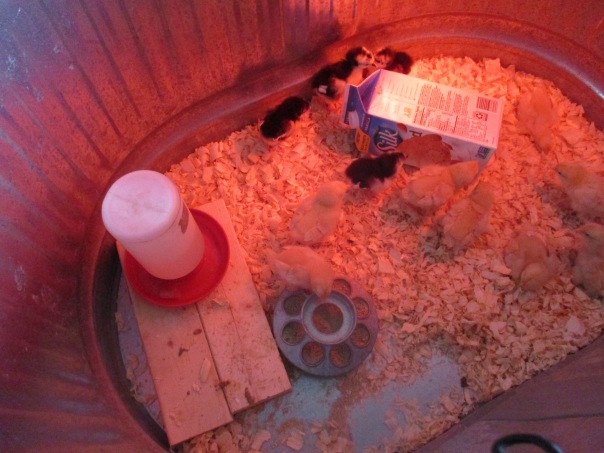

 Don't Eat It! Soap and Skin Care