Tag Archives: Homesteading

Interesting Creatures

While writing this post I realized that I can not even fathom all of the different life forms that we share the Earth with. I did have to do a little homework after spotting and photographing these interesting creatures earlier this week and decided to share what I learned with you.

My curiosity was peaked when I noticed them diligently working on this log for a second day this week. What are they and what are they doing?

With the assistance of my Field Guide To Insects And Spiders Of North America and an internet search engine I identified them as Ichneumon wasps. I also determined that they are laying eggs.
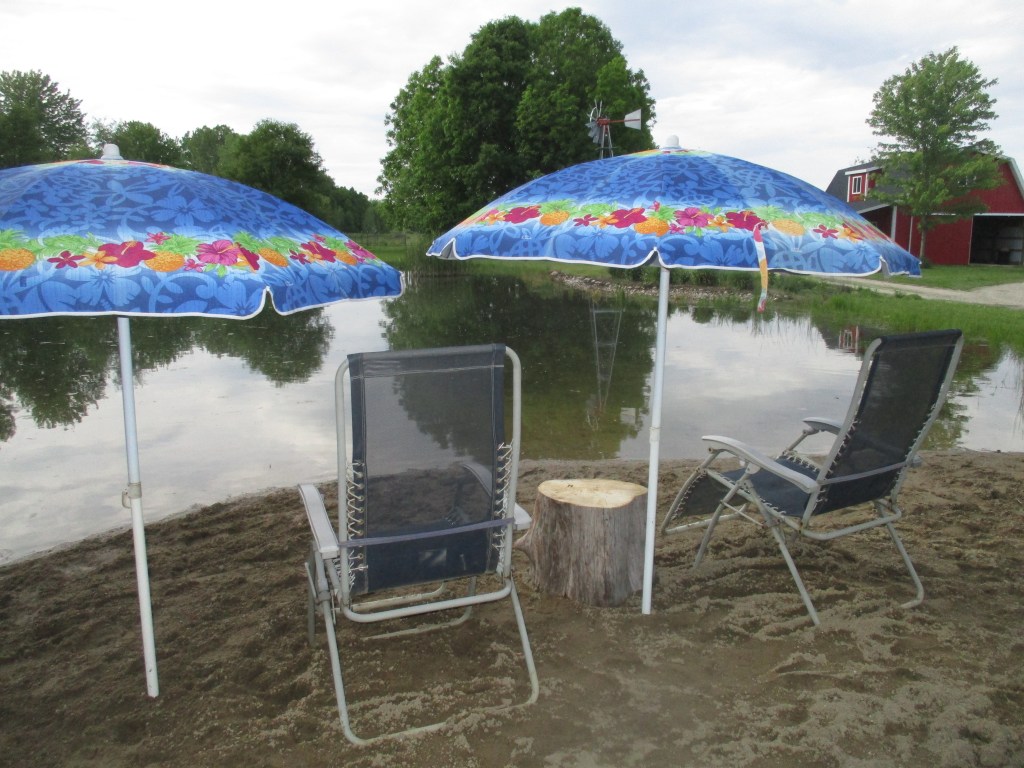
When my husband set up our beach chairs and umbrella this year we discovered that the table that we normally use on the beach during the summer was now being used as a plant stand. I suggested we use a piece of log from a large dead tree that we recently had cut down as a table and he thought it was a great idea.

What we didn’t know, but these wasps have told us, is there are some type of grubs living in that log. The field guide explains that, with their antennae, these parasitic wasps are able to smell grubs. When they locate the grubs living in the wood they secrete a chemical, with their ovipositor, that will break down the wood fibers to gain access to the grub. They then lay their egg on or perhaps near the grub and when the egg hatches the grub becomes it’s food source.

These wasps are rarely dangerous to people. That appendage that looks like a long needle is not a stinger, but the ovipositor required for reproduction. They are, however, thought to be beneficial as they help regulate other invertebrate populations. As I sat in the beach chair watching and photographing them they paid no attention to me and other than the inconvenience of not being able to set my drink on the table I had no problem with them.

Have you spotted any unique bugs this year?

Strawberry Season and Chicken Pics

It’s strawberry season in Michigan and we have picked our first five quarts of berries. 🙂 This years berries are smaller than we have seen in past years, likely because of the dry spell we had as the berries were beginning to form, but despite the smaller size they have the sweet wonderful flavor that we have come to expect from our homegrown berries.

If you live in Michigan and want locally grown strawberries now is the time to look for them.

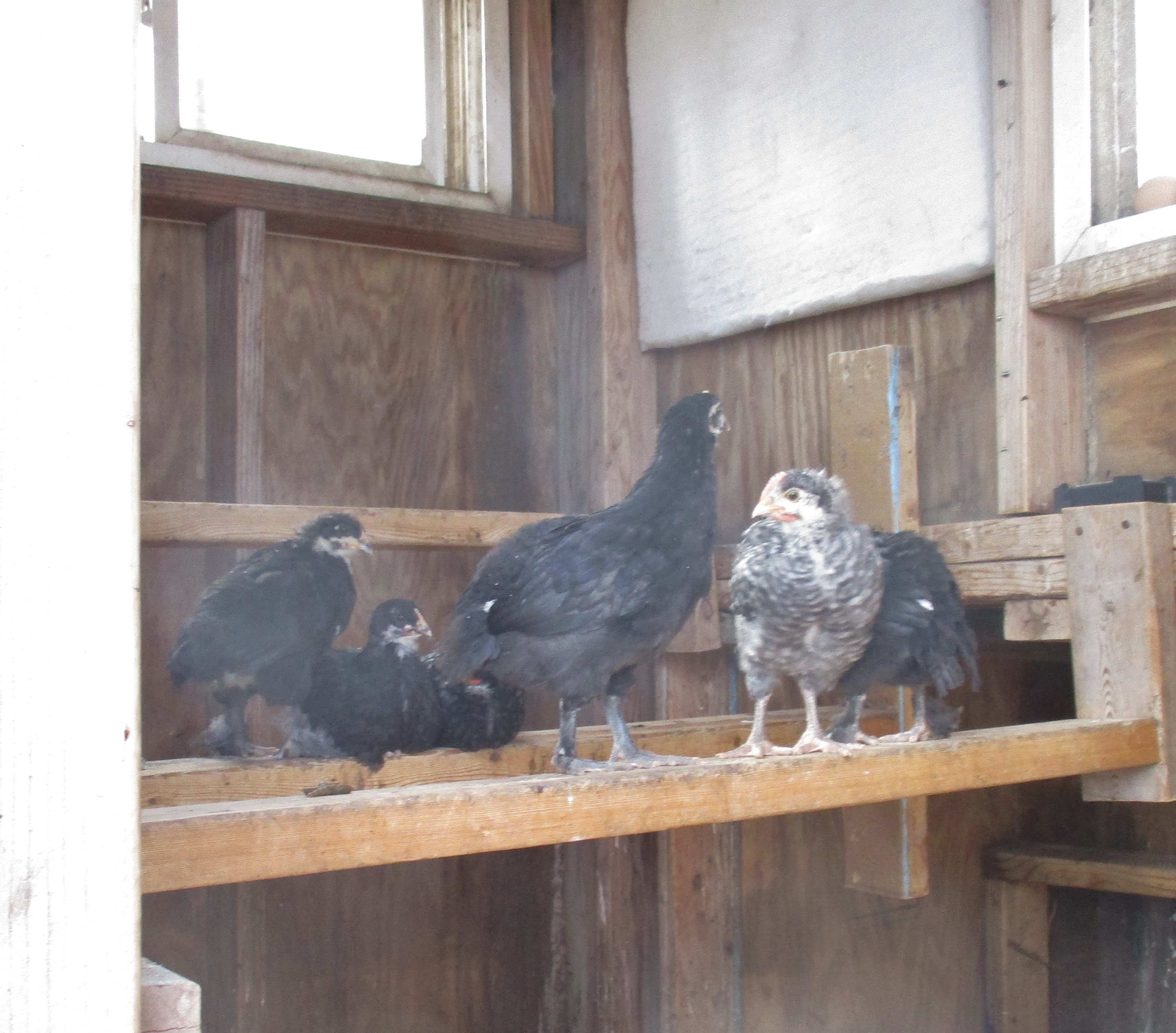
These are the new kids on the block – the chicks we bought earlier this year. When we bought them from the farm store we thought we bought black Australorp chicks. Instead we got a mixed bag. While the small one in the back looks like a black Australorp, two look like barred rocks and while the one in the middle is a beautiful bird, we have no idea what breed he might be.

You might remember that we started out with six chicks. sadly two of them fell prey to a racoon.

We had hoped to get at least one rooster out of the six and at this point we have identified two which we are certain are roosters and a third which we suspect might be a rooster but are more hopeful of it being a hen.

Recently our evening have been spent around the chicken yard, watching chicken TV, and being on the lookout for racoons. The chickens enjoy the evening visits especially this particular evening when my husband was passing out treats. 🙂

Will you be shopping for locally grown produce this year?

The War On Weeds

In any war it is important to have a strategy and that includes the gardener’s “War On Weeds”. I don’t think it is possibly to have a garden that is perpetually weed free, so I don’t know that it is possible to truly win the war. I am going to share some tips, though, that might help you win some of the battles.

The Plan Of Attack

We have learned over the years that pulling weeds when the soil is moist is the best approach. When the soil is dry the roots are reaching deep into the earth searching for water. This makes digging them difficult and pulling them next to impossible. When the soil is moist the roots are relaxed and can be pulled out much easier. Weeding in the morning when the soil is moist or after a rain will make your work much easier.

Keep Your Enemy In Check

Most plants will reproduce by forming flowers or seed heads. In order to keep the plants from multiplying (often exponentially) remove the weed before it forms flowers or goes to seed.

Know Your Enemy

Being able to identify the type of weed and how it grows can be most helpful in ridding it permanently from your garden. Plants that are annuals and are pulled or cut before they go to seed should be gone for good. Other plants that are biennial (taking two years to mature) or perennial (come back every year) will need to have their entire root removed otherwise they will continue to grow back. Some perennial’s, like Canadian thistle and sow thistle, have roots systems that run horizontally under ground. When the shoot/plant is pulled and detached from the horizontal root it will, in a quest for survival, send up several more shoots. (A loosing battle.) However cutting the shoot/plant at ground level will deprive it of the ability to perform photosynthesis. That particular shoot may grow back and need to be cut another time or two before the plant (root) dies.

In the past we have had much success in getting rid of thistles from lawn or field areas by mowing the area throughout the summer. This year as I weed my prayer garden I am on a mission to eradicate thistles, so I am cutting them with the intention of coming back once a week to cut any that are starting to grow back. Wish me luck!

Happy gardening! 🙂

Colors of Spring

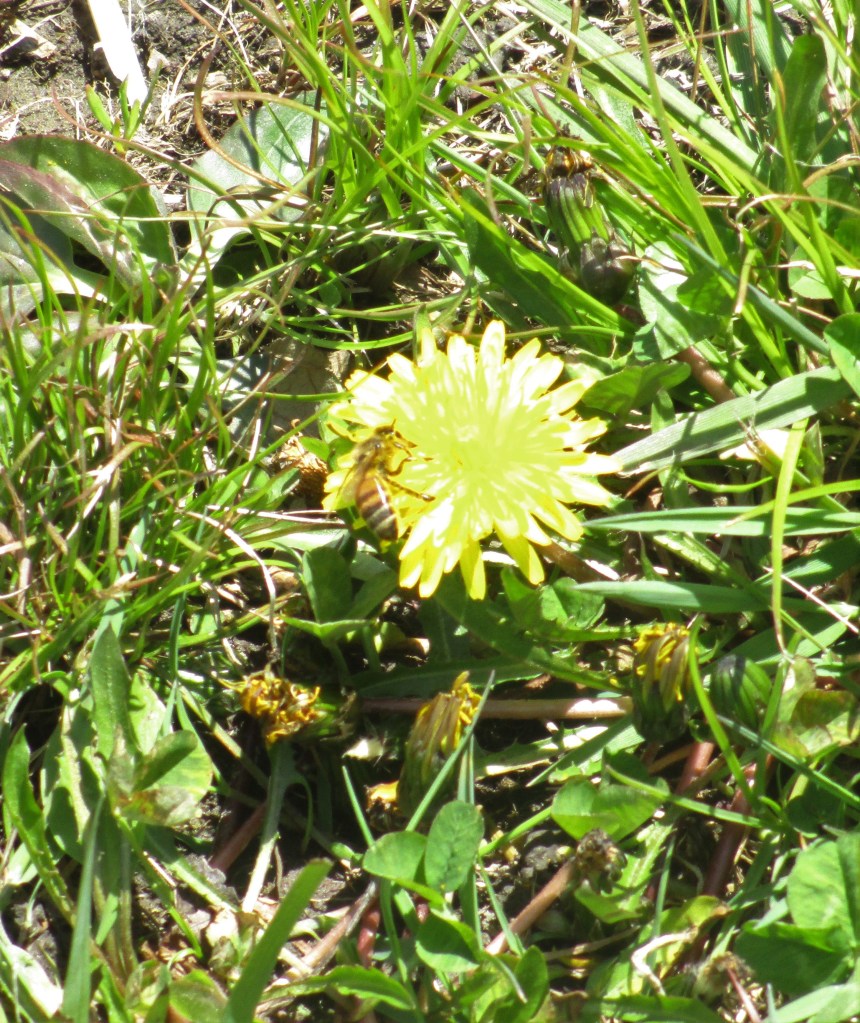
Each year the first color we see in the spring is yellow.

Then as spring progresses and the yellow flowers fade away we see a lot of purple.

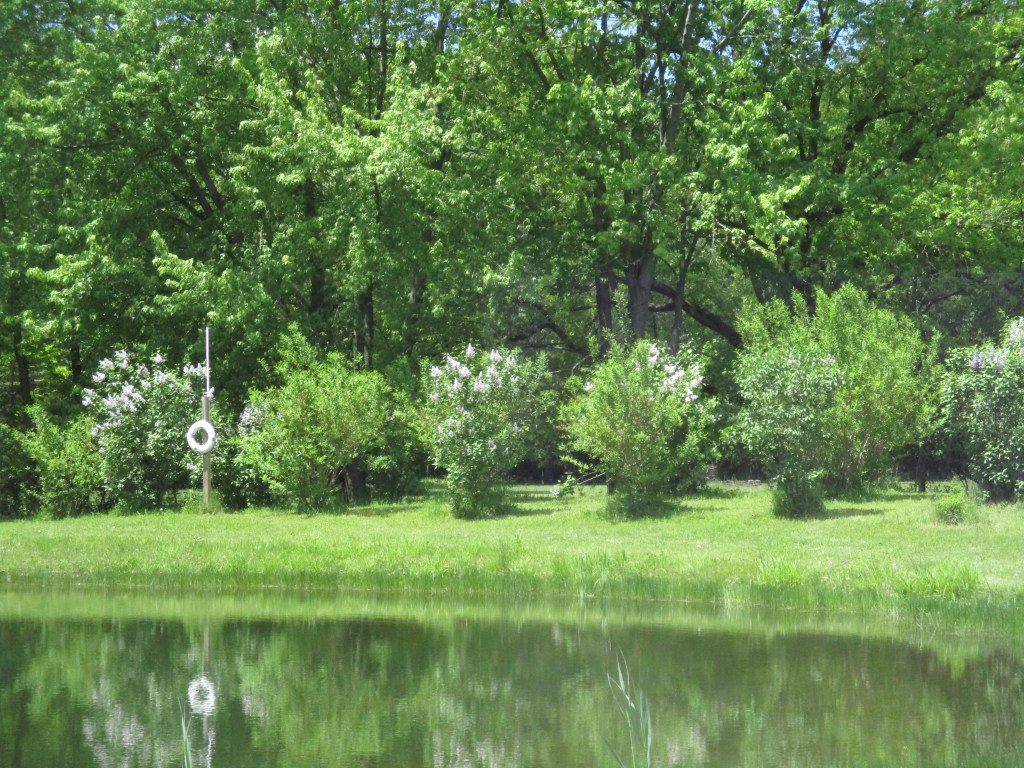
When we landscaped the berm that boarders our pond we planted forsythia bushes alternated with lilacs. Once the forsythia is finished blossoming the lilacs begin. On a breezy day the lilac fragrance fills the air.

The lush green of the trees evokes a feeling of peace and harmony.

The daffodils that ushered in spring have been replaced by Iris’s, chive blossoms and salvia.

The dandelion blossoms turned to puff balls that were scattered by the wind. They have been replaced by white clover that will offer the bees a bountiful food source throughout the summer.

These are but a few of the delightful changes I have observed in the past week.

Thanks for visiting. 🙂

Do you have a favorite spring flower?

Chicks and Pics

The Flock

It was nearly a month ago that we decided to get 6 chicks to add to our flock. Supplies of chicks in the farms stores were already running low but when my husband called me from our local Tractor Supply Store and asked me what I thought about getting 6 straight run Australorp chicks. I said “let’s do it”.

Normally we only buy pullets (females) and choose breeds that are good layers. Australorps are one of the breeds we already have in our flock and since we lost our rooster in November buying straight run (unsexed) chicks would give us a good chance of getting at least one replacement rooster.

IMG_6397 (2)

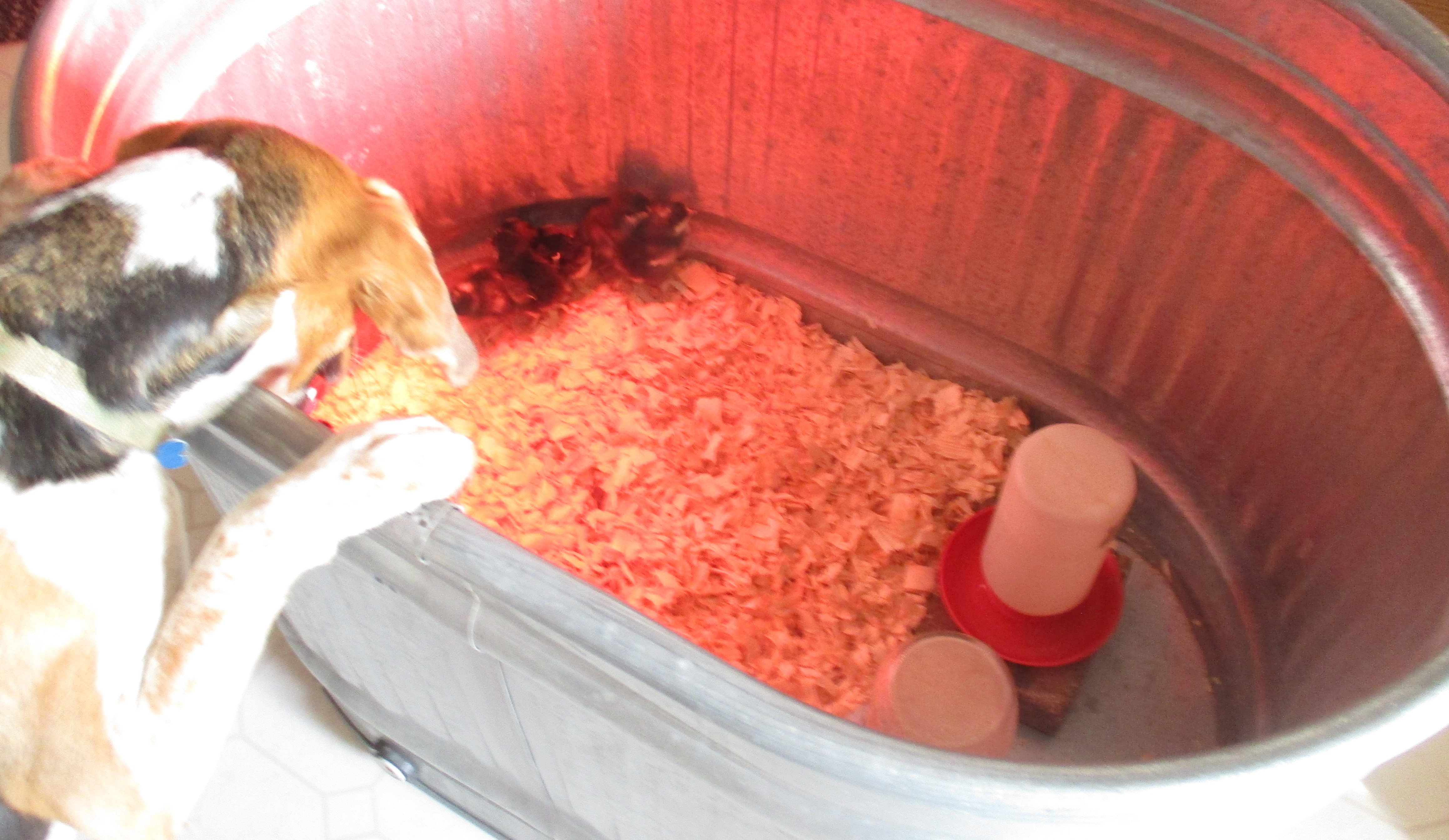
Ranger was quite curious about the babies. We could only let him look from a distance because when we let him see close up he wanted to bite or eat them.

IMG_0017

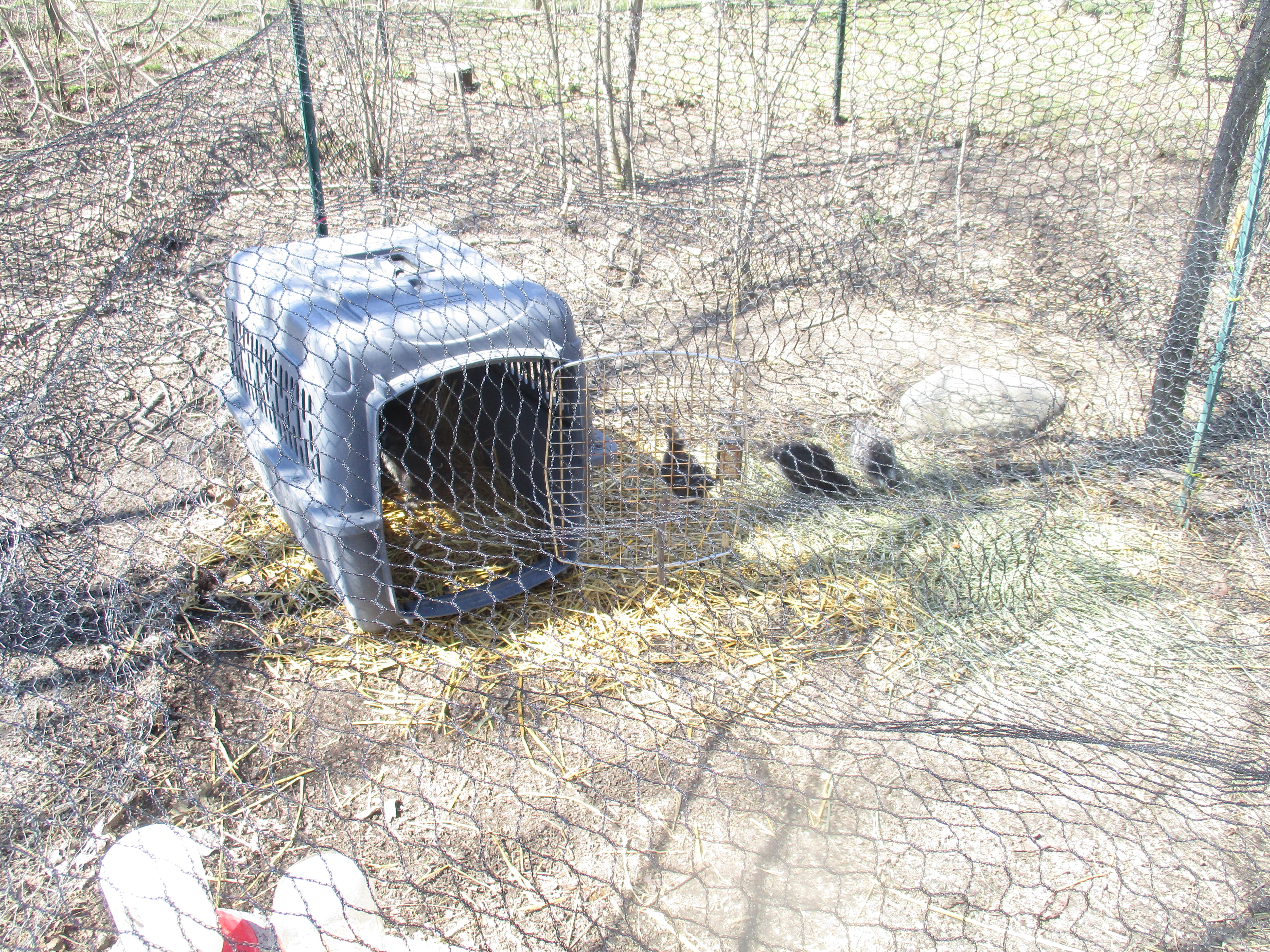
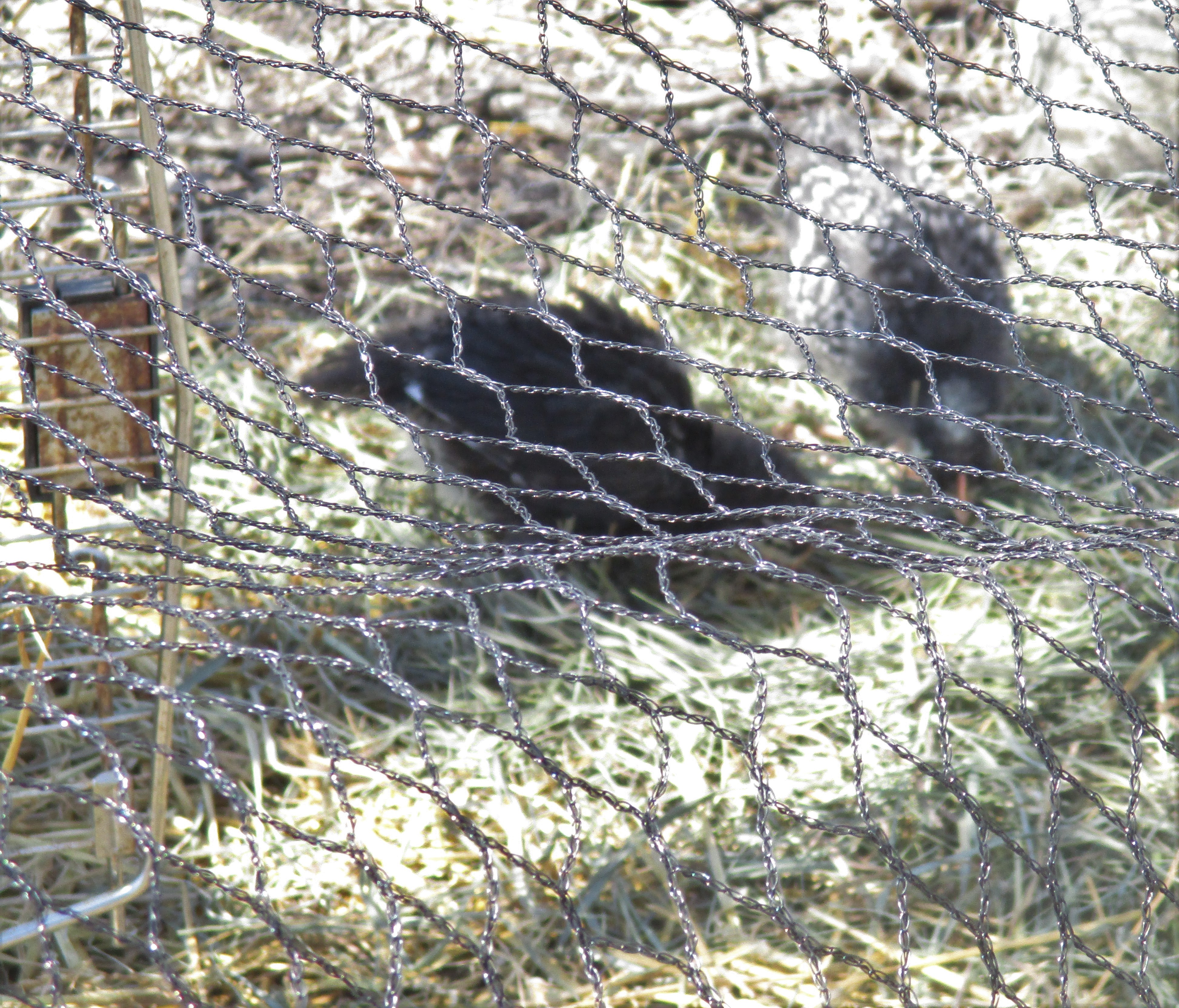
Last week the chicks were mostly feathered out so they made the move to the farm. During the day time they were in this fenced enclosure with netting over top. We also left their crate there in case they need to get in out of the weather. At night time they would go into their crate then into the coop with the rest of the flock. They are adapting well to life on the farm even on these cooler days and cold nights.

For the past few days my husband has left the enclosure open so the chicks could roam around the chicken yard. Last night they all made it into the coop on their own.

IMG_0018 (2)

Then this afternoon I found them all hanging out on the roosts in the coop. They are growing up so fast. 🙂

IMG_0080 (2)

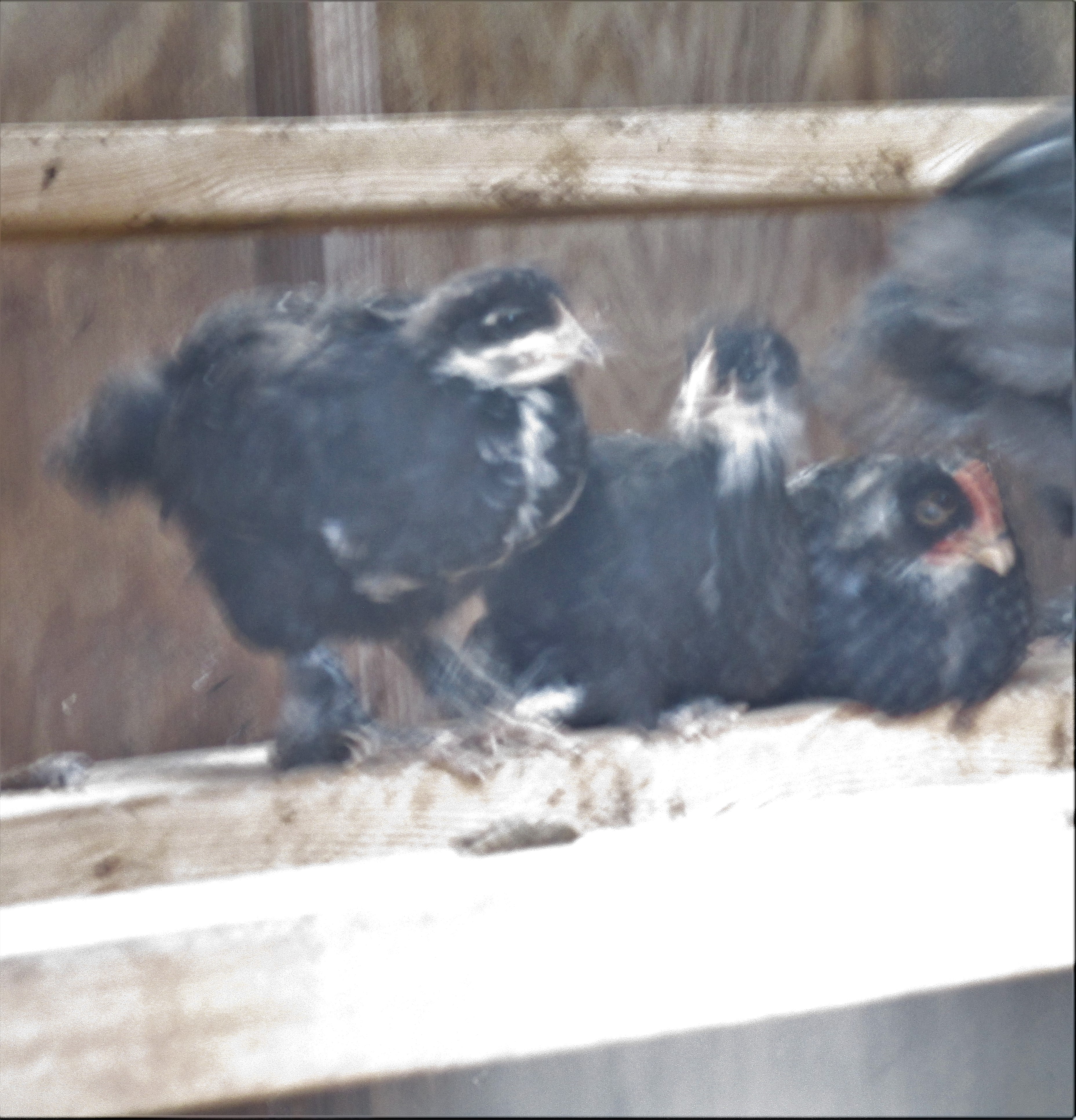
As they have grown it has become apparent that at least some are not Australorp chicks. The Australorp should be solid black; not black and white striped as the one in the front is.

IMG_0081 (2)

They also do not have feathered feet as three of these chicks do. Whatever breed(s) these birds are they seem to be hardy and intelligent, so we are pleased with them so far. It will be a while before we know for sure how many are roosters and how many are hens, but we are hoping for one or two roosters. That would be ideal for our flock. I am looking forward to hearing that cock-a-doodle-doo again.

IMG_0024 (2)

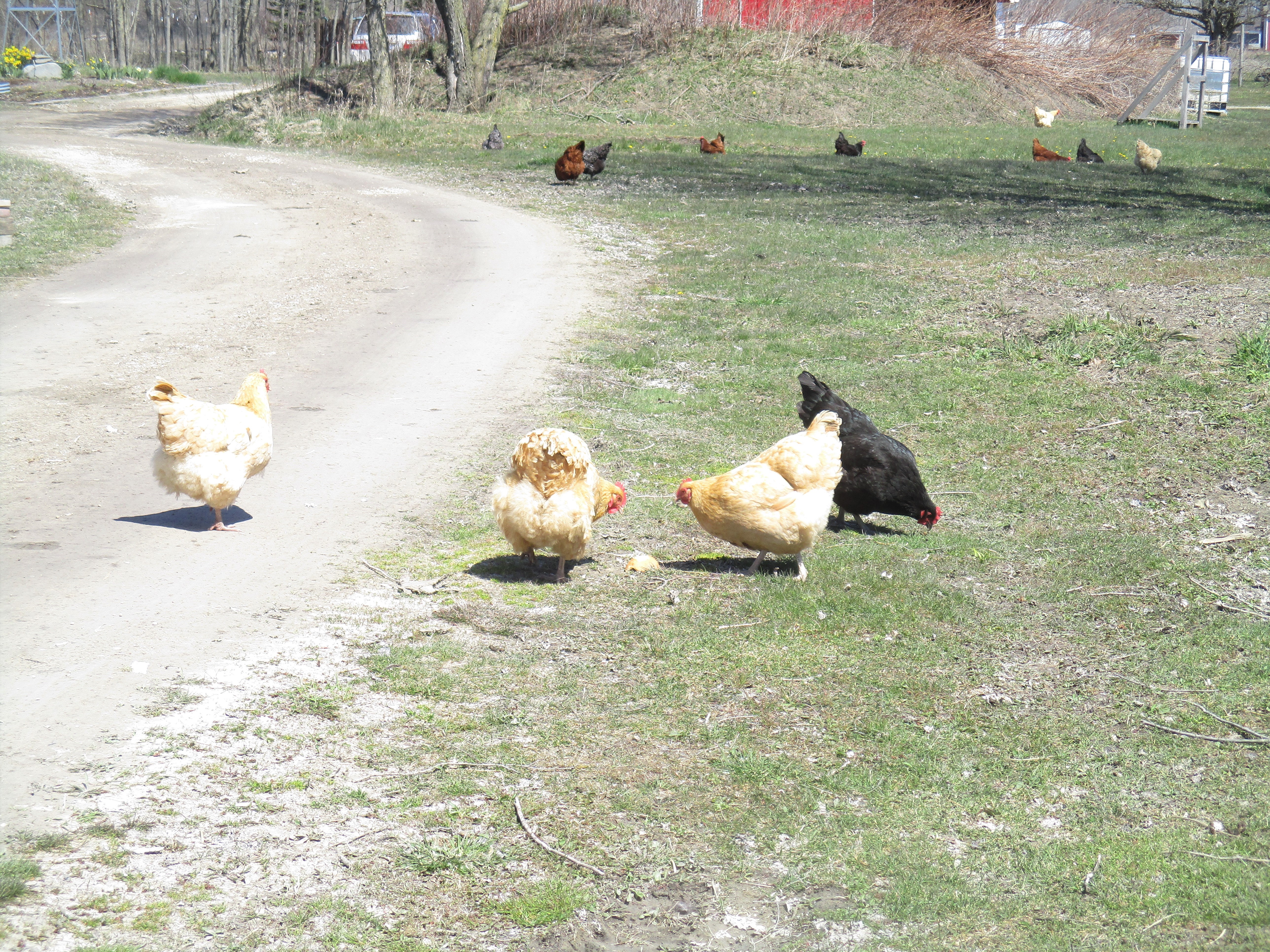
The rest of the flock has really been enjoying spring.

IMG_0029 (2)

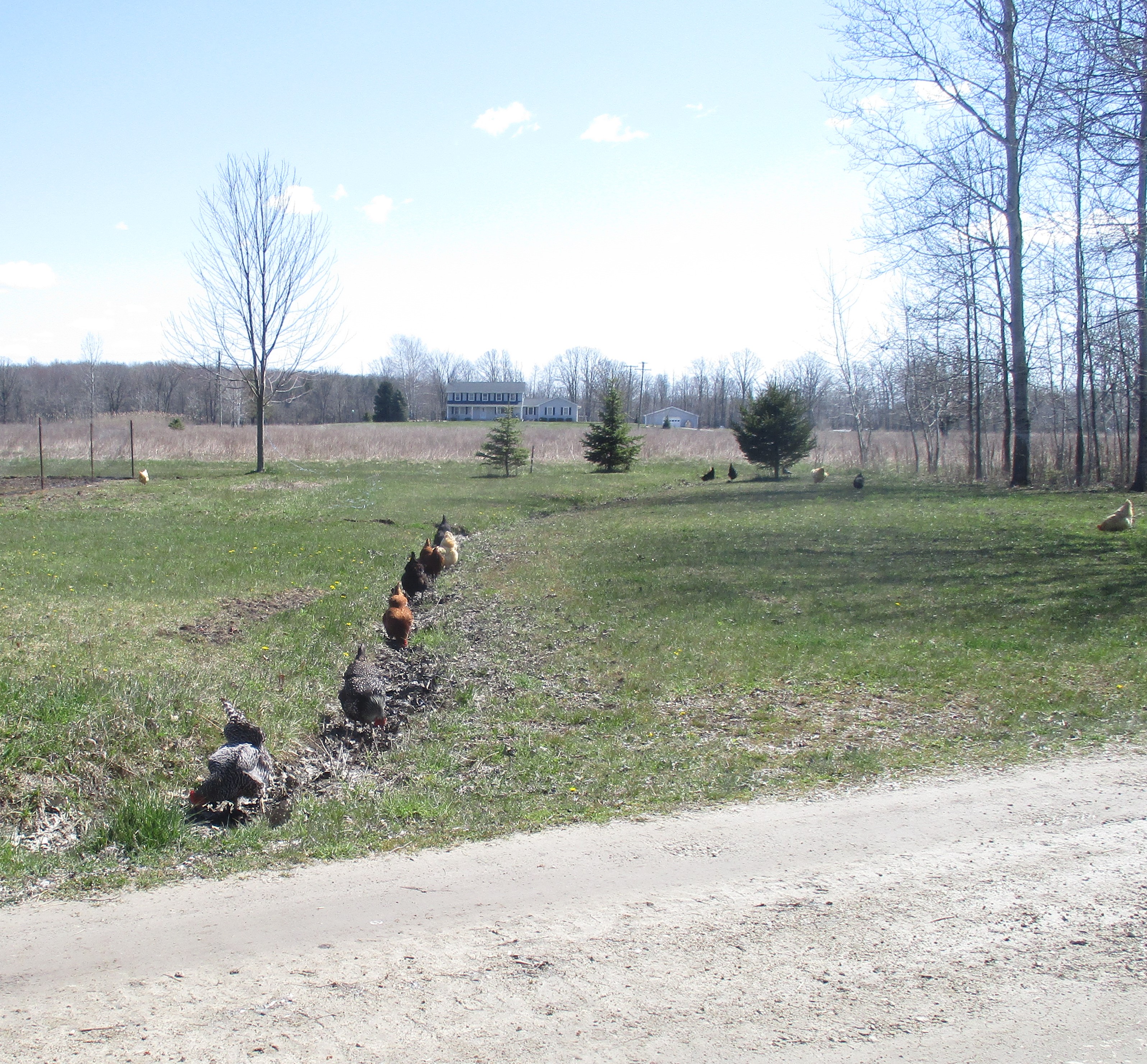
This made me laugh to see them all lined up along this ditch. They were scratching up the dead leaves to find grubs and bugs. Yumm! Good eatin’!

Inside The Hoop House

IMG_0033

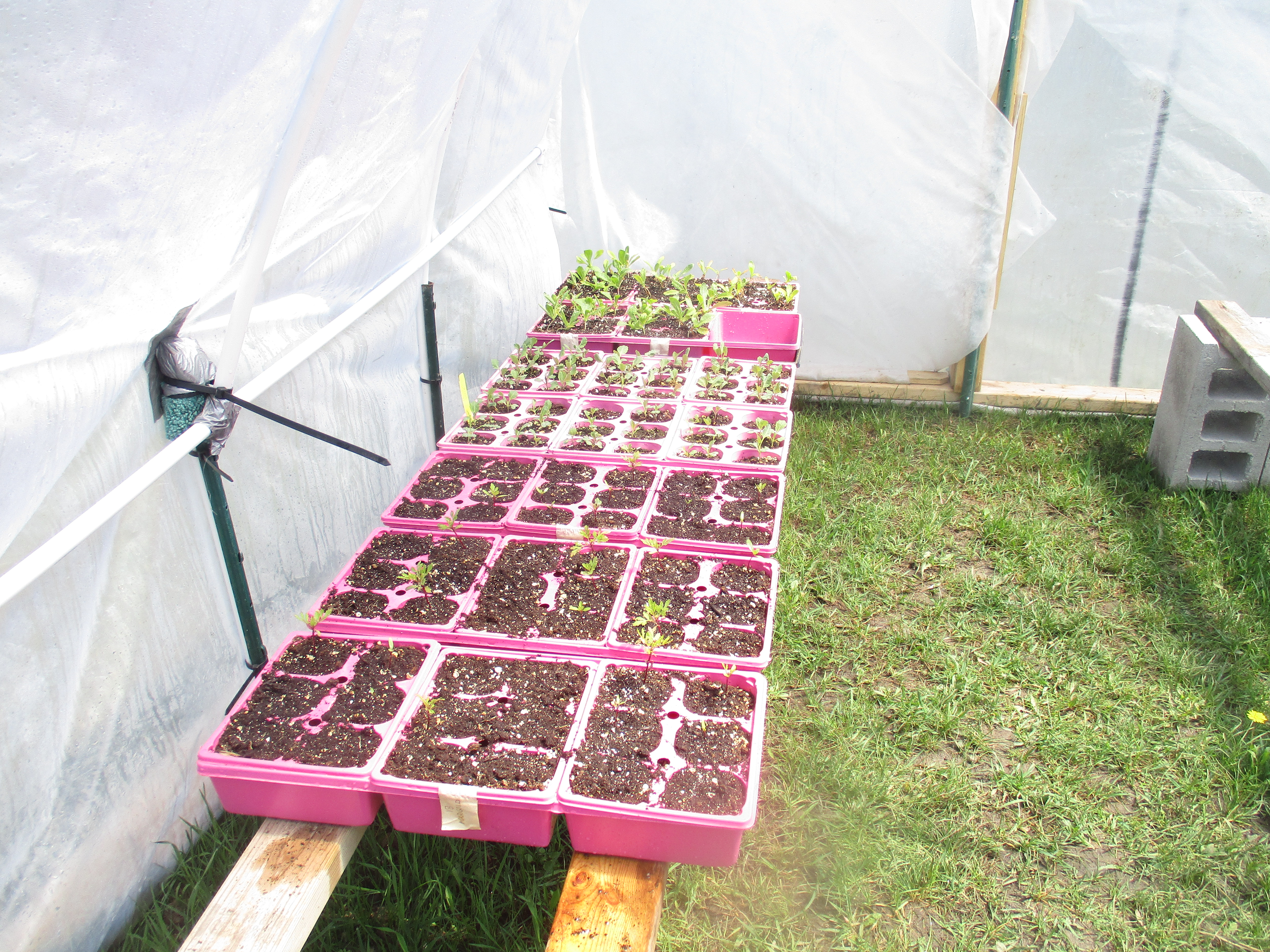
The plants in the flats will be transplanted in the garden(s) once the weather breaks.

IMG_0034

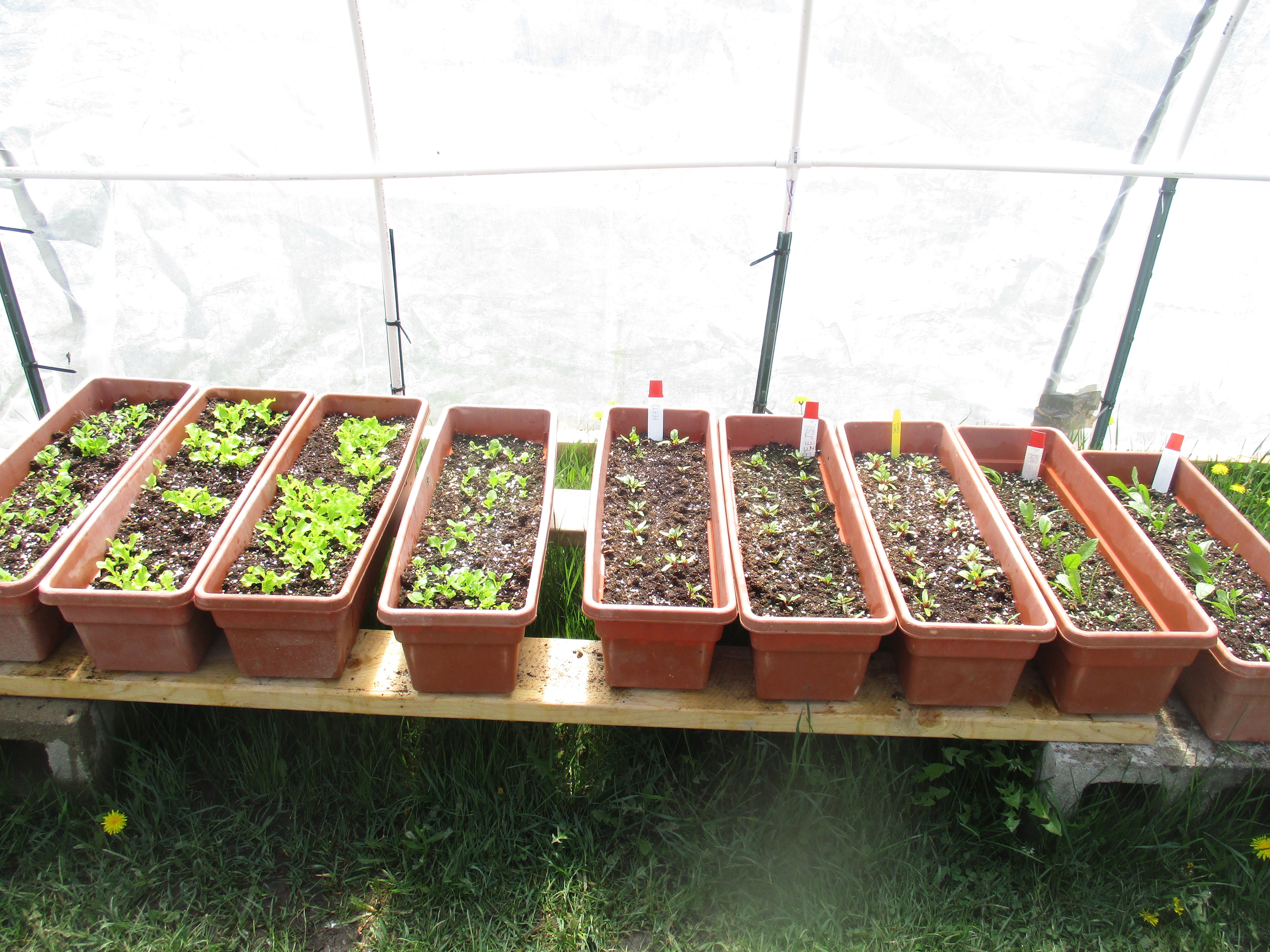
The plants in the boxes will be harvested as they grow. I expect to start harvesting small amounts of lettuce and spinach in about 7 to 10 days.

Another Spring Chore

IMG_0039 (2)

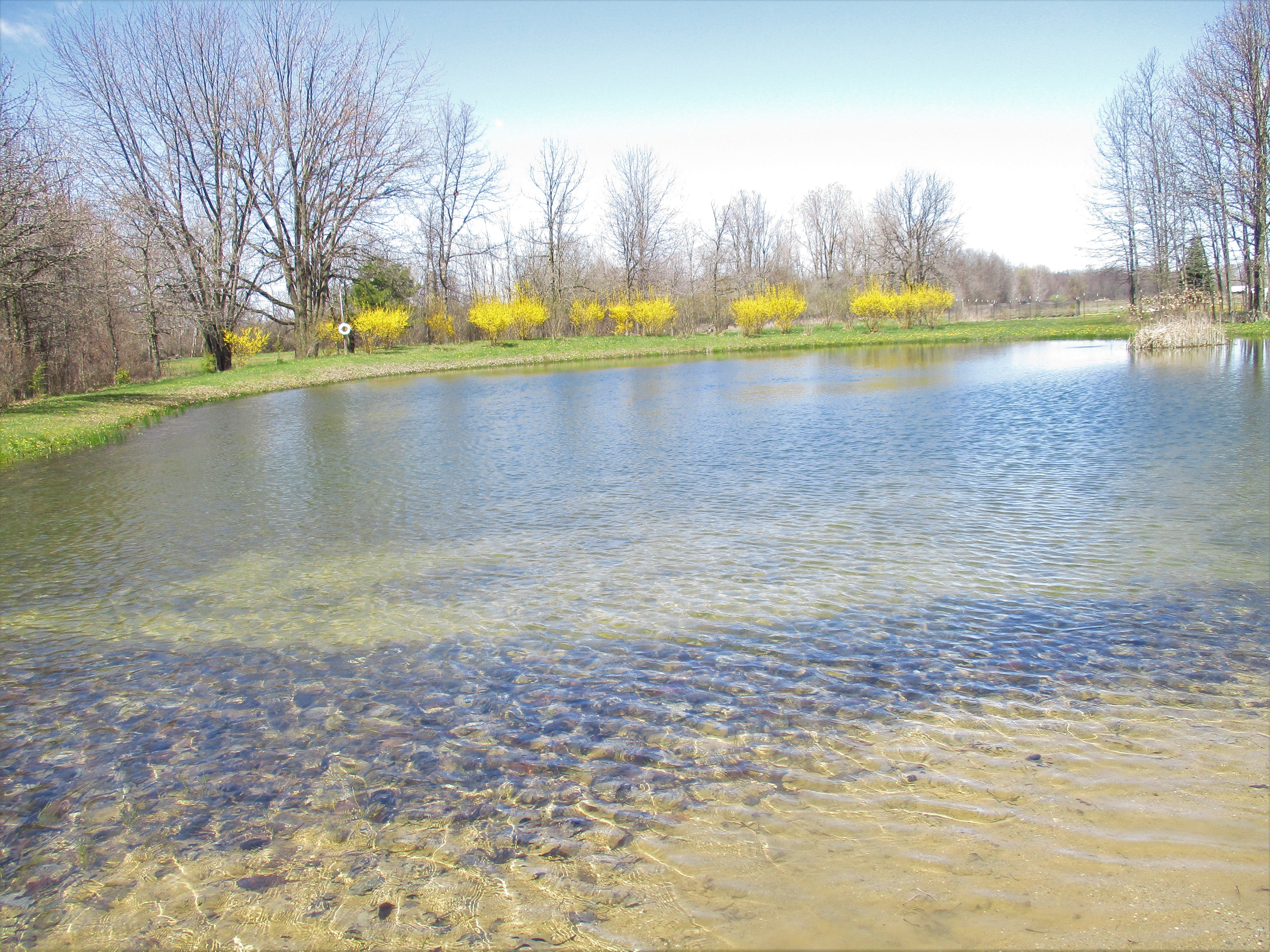
The weather was warm and sunny on Friday so I decided to clean up the beach area. I needed to rake the leaves out of the water.

IMG_0042

Even though the air temperature was warm, the water was still frigid, so I needed to wear my boots.

IMG_0045

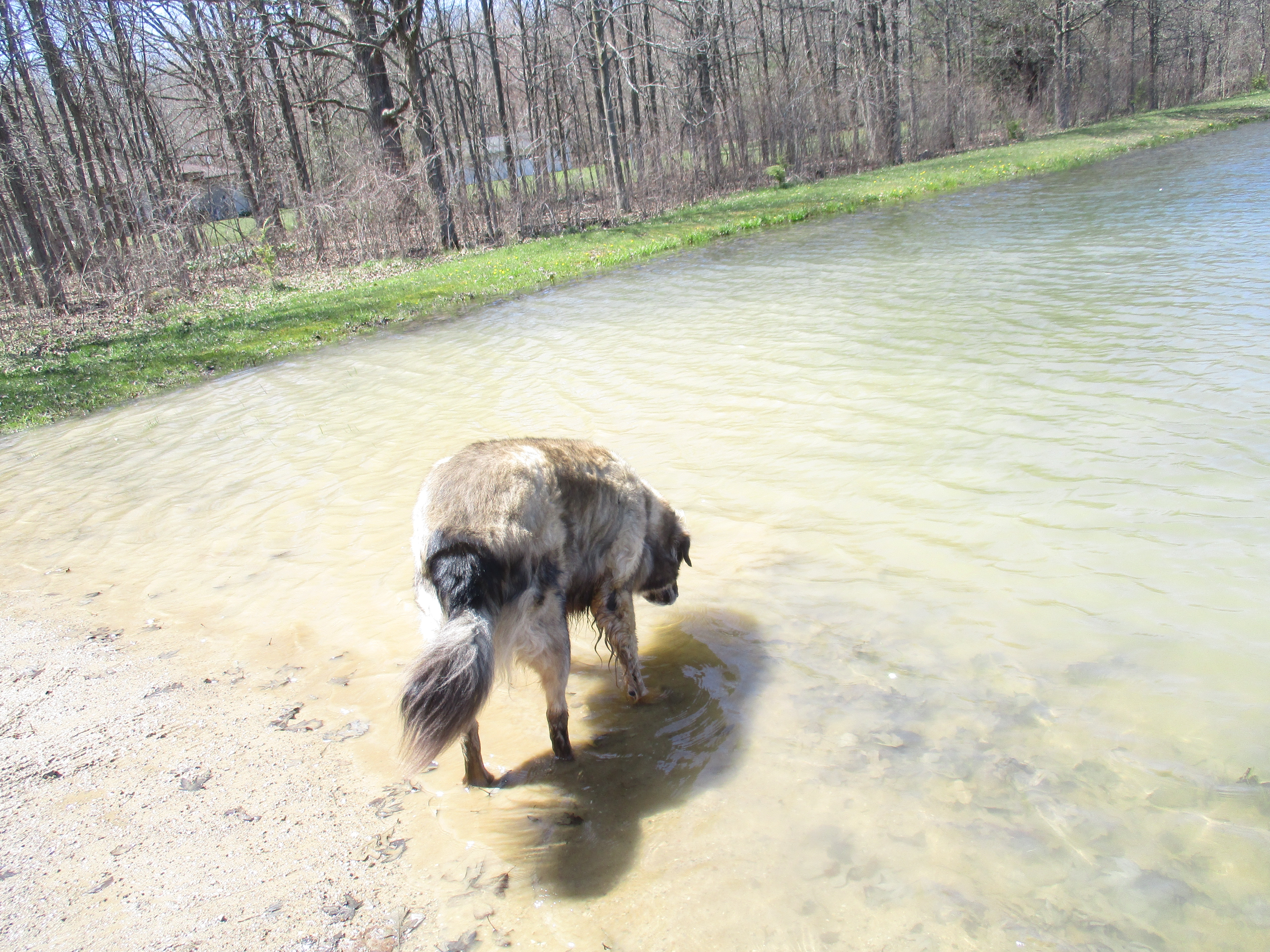
Trooper, on the other hand, thought the water was just fine,

IMG_0047 (2)

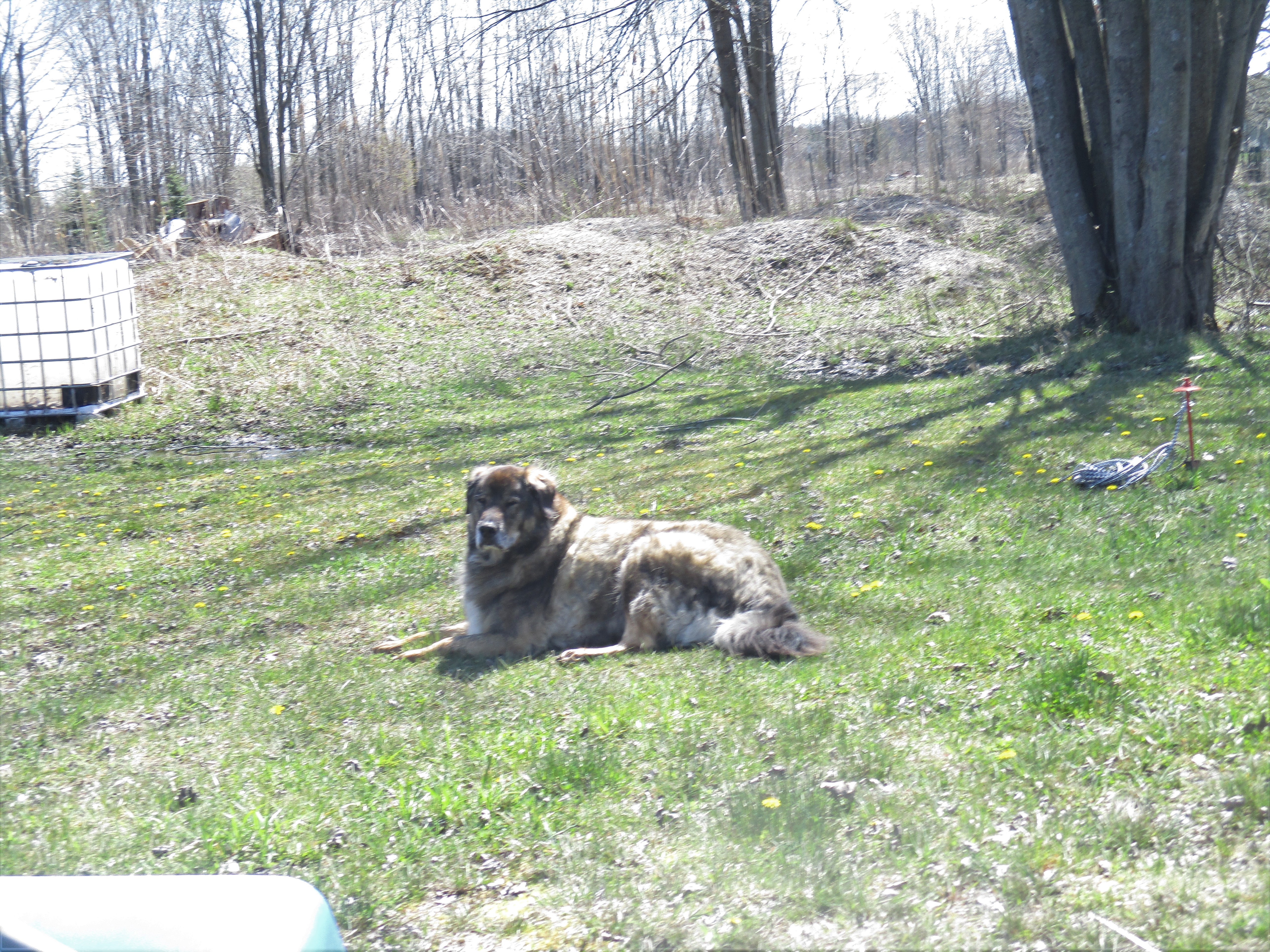
and after getting a cool drink he decided to relax while I finished the job.

Have you got a garden started?