Tag Archives: spring

A Spring Walk at the Farm

Hello and welcome! It’s a beautiful morning and I thought you might like to join me for a walk at the farm.
We are seeing new blossoms every day.
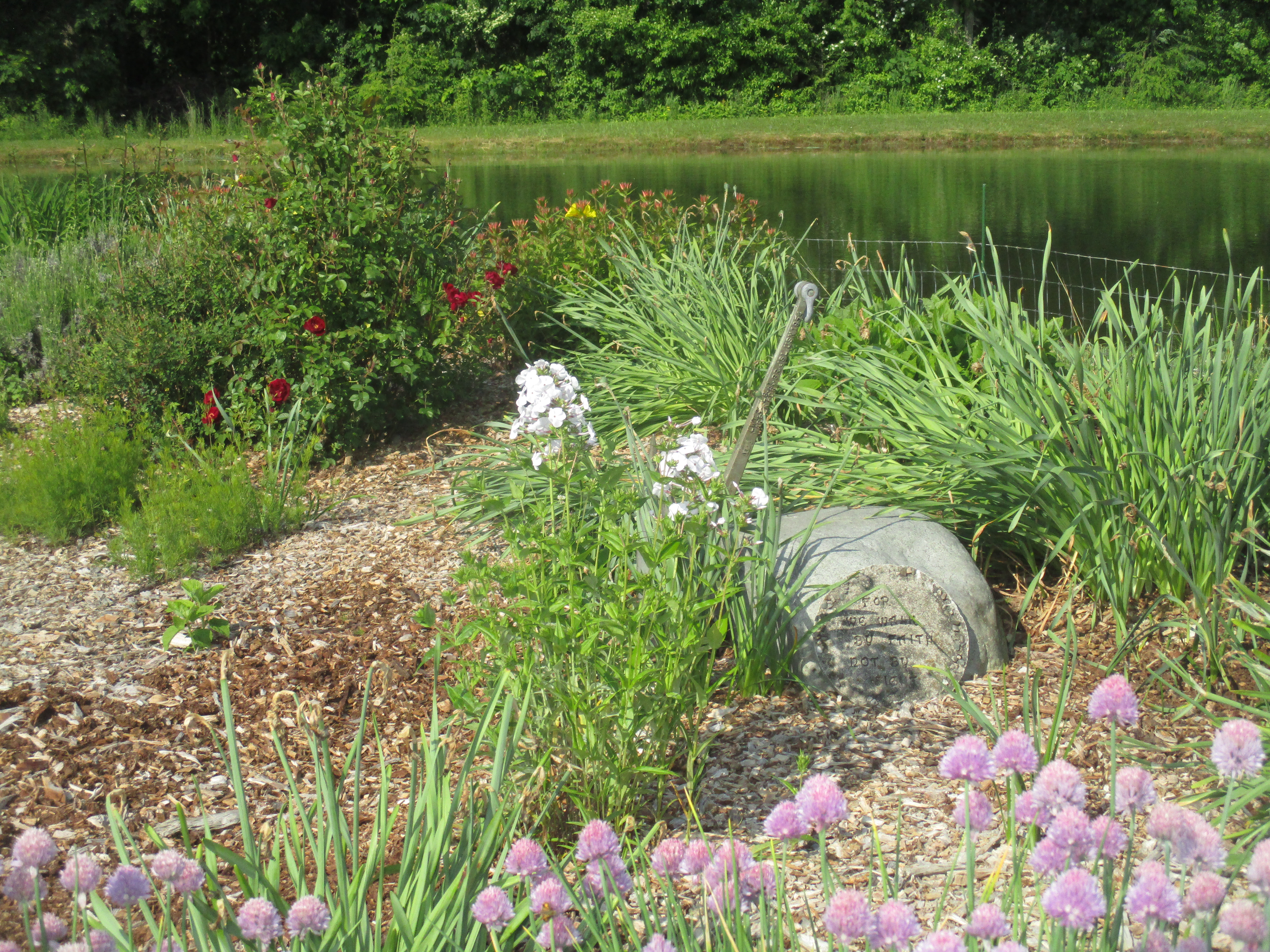
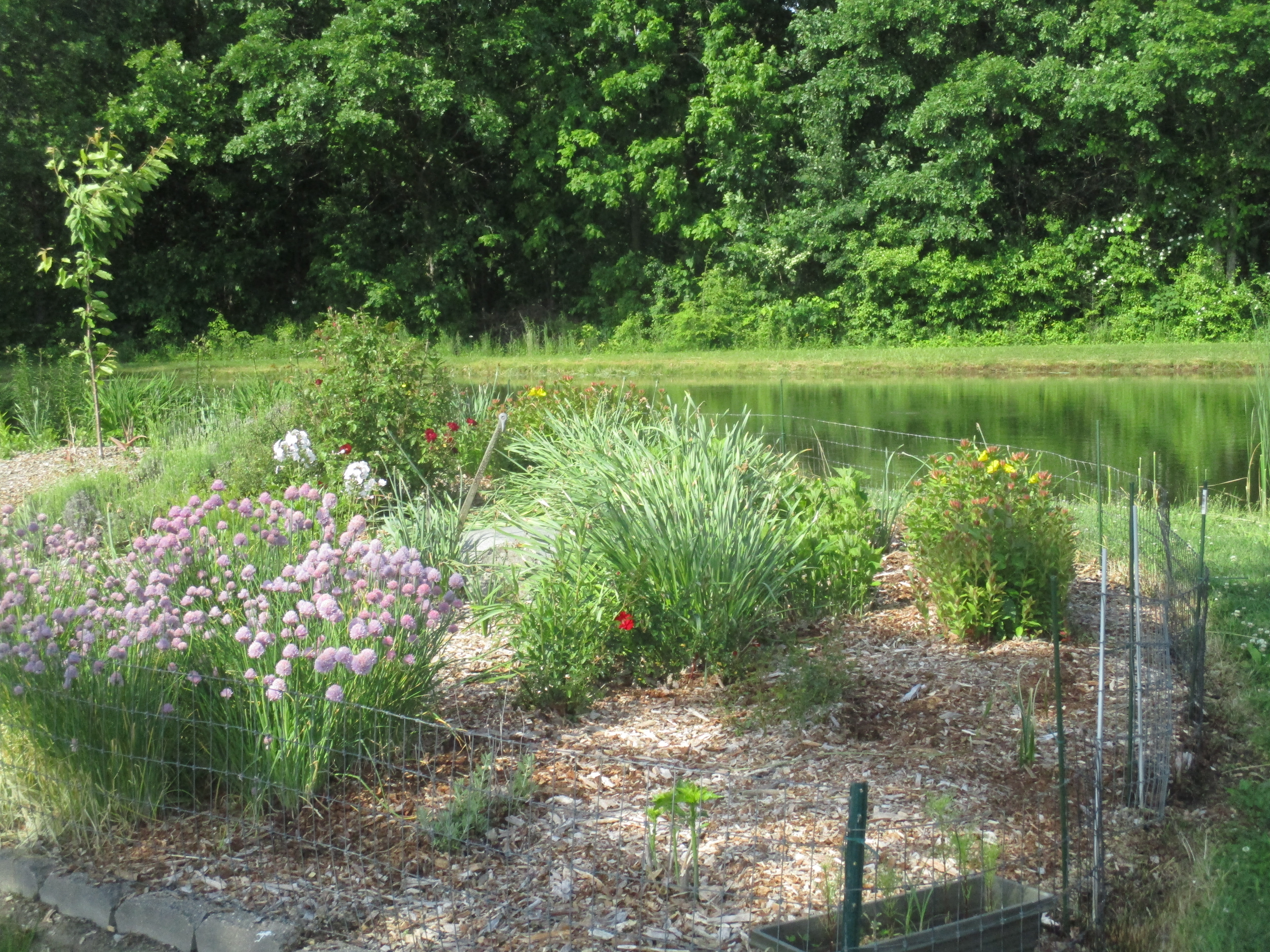
The white phlox that we added to the prayer garden last year are flowering.

The primrose are beginning to bloom.

and the roses are blooming.

Our peony has only a single flower this year, but it sure is a beautiful one.

We will be picking strawberries later.
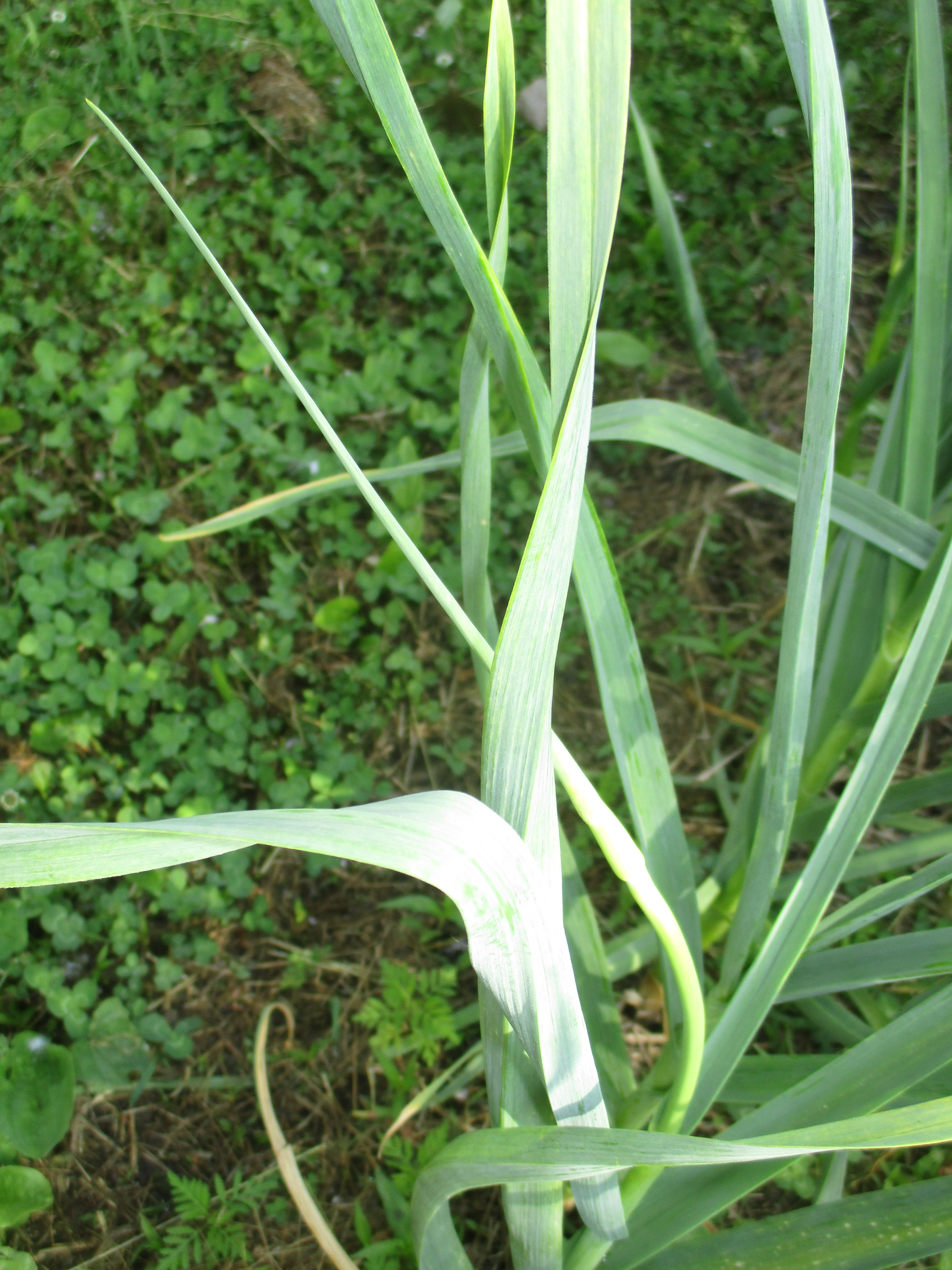
But we won’t be cutting garlic scapes for about a week. The scape is the light colored, curved shoot in the middle. They are just beginning to form.

The wild roses are in full bloom. They are very fragrant – in fact you might have smelled their lovely scent before you saw the blossoms.

Daisies scattered here and there.

A flowering shrub that I have not identified. It does have a light pleasant fragrance.

A short stroll through the woods is shady and lush.
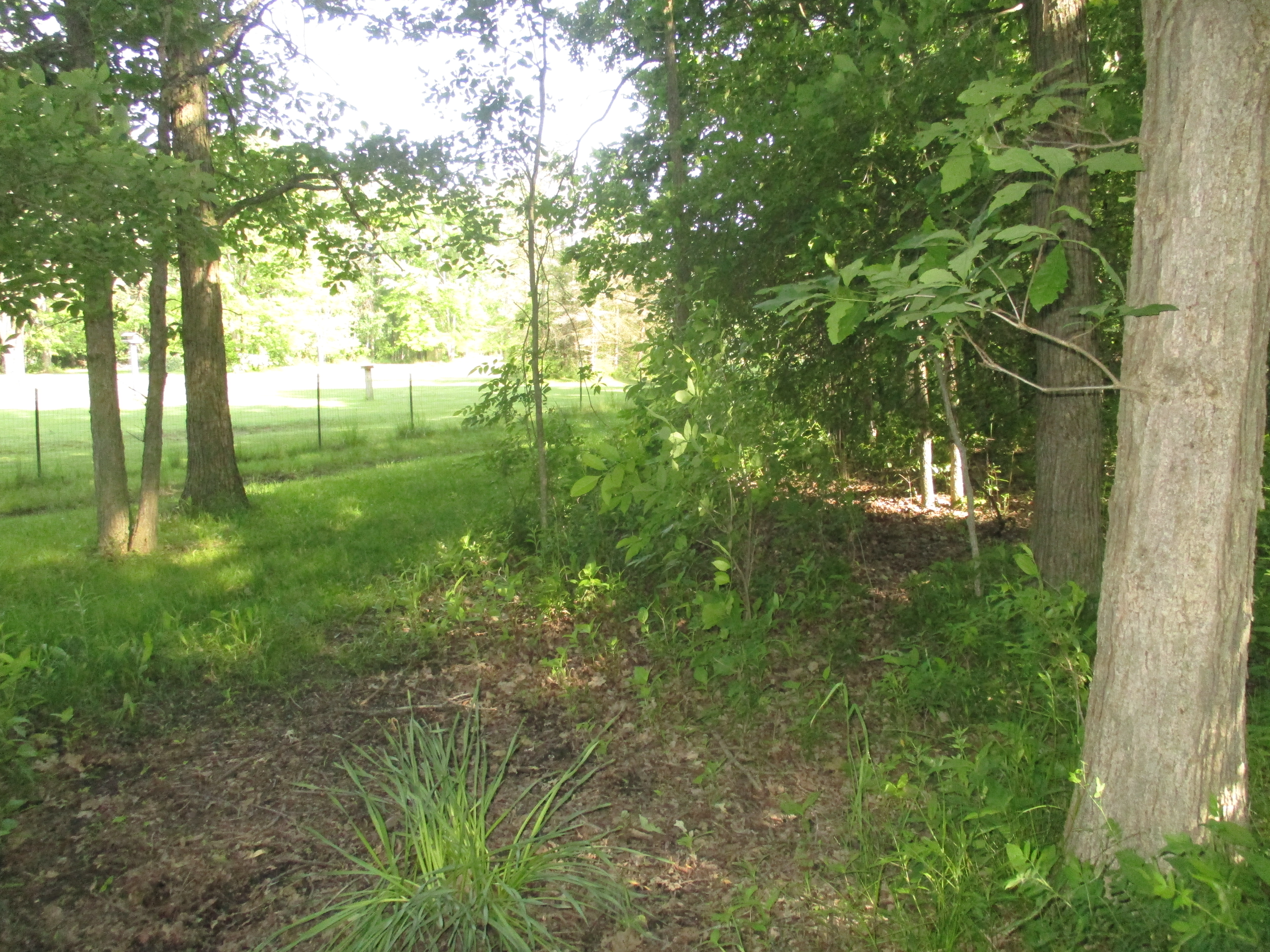
Beyond the woods the sun shines on the neighbor’s yard.
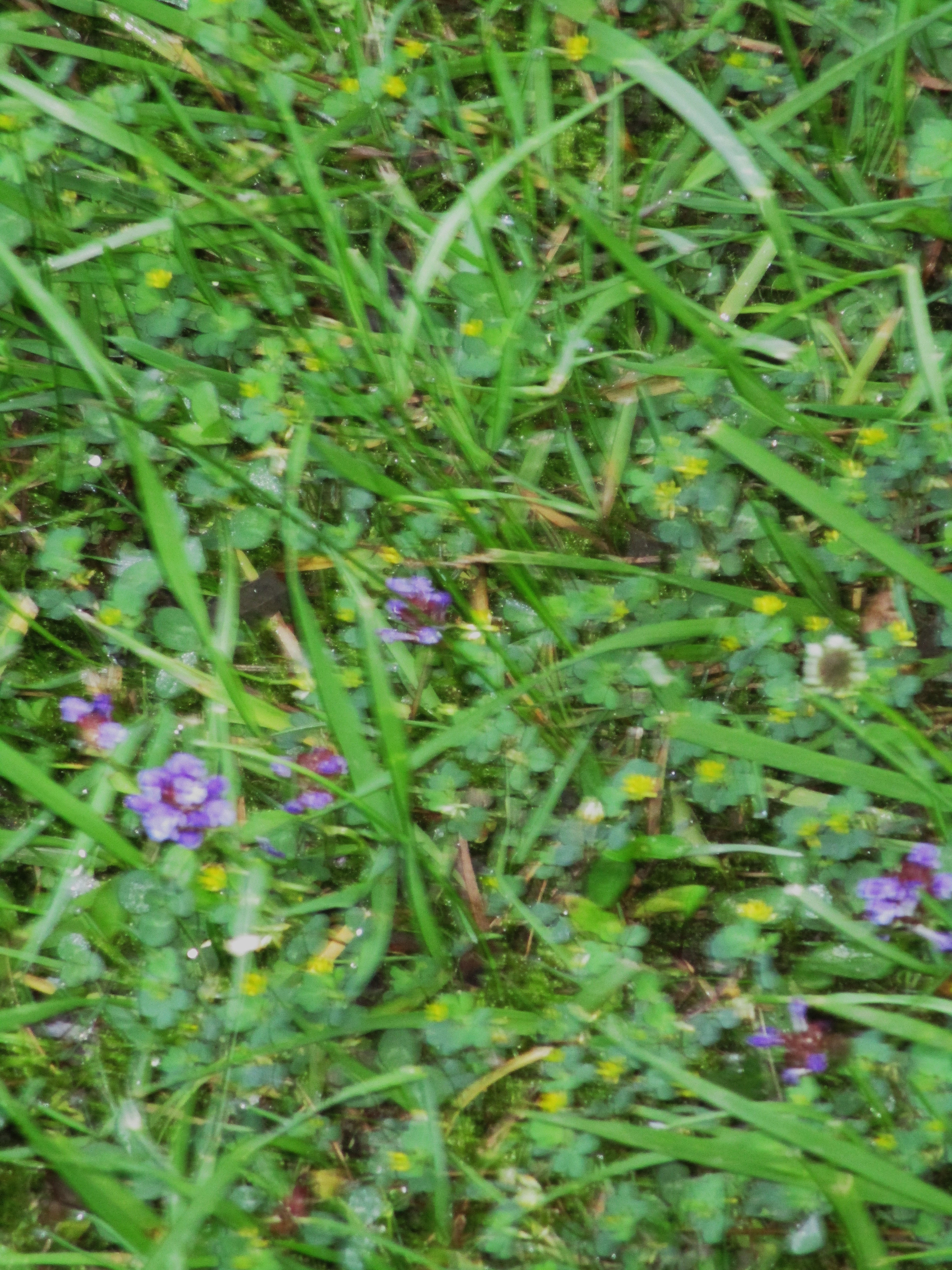
Mixed among the grasses you might notice wild plants such as selfheal (the purple flowers) and black medic (the yellow flowers). Both are edible and medicinal.

Fleabane is a common daisy-like wildflower in our area.

Our gardens are doing well so far. Some of the tomatoes have blossoms already.
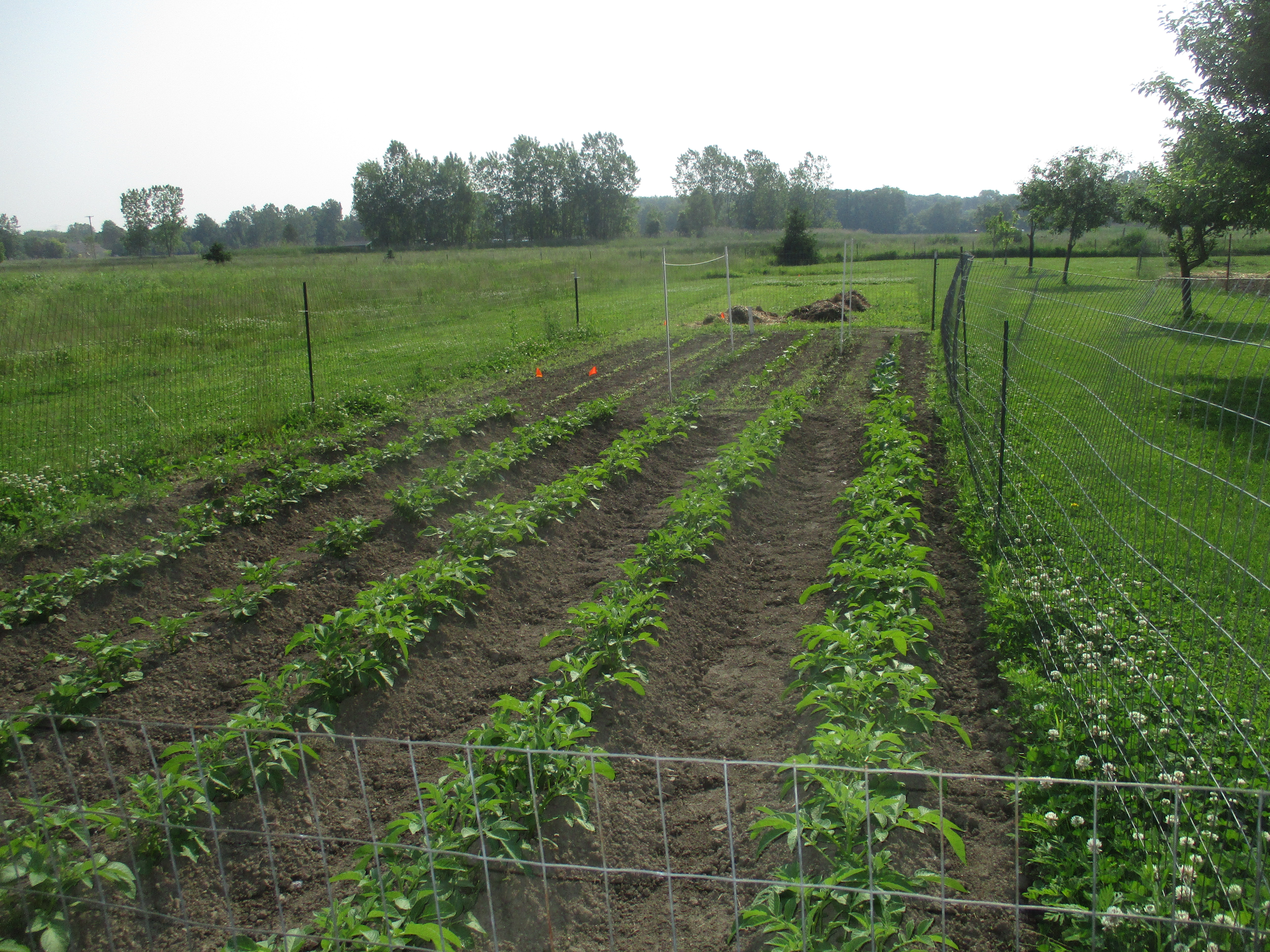
Potatoes are also doing well.
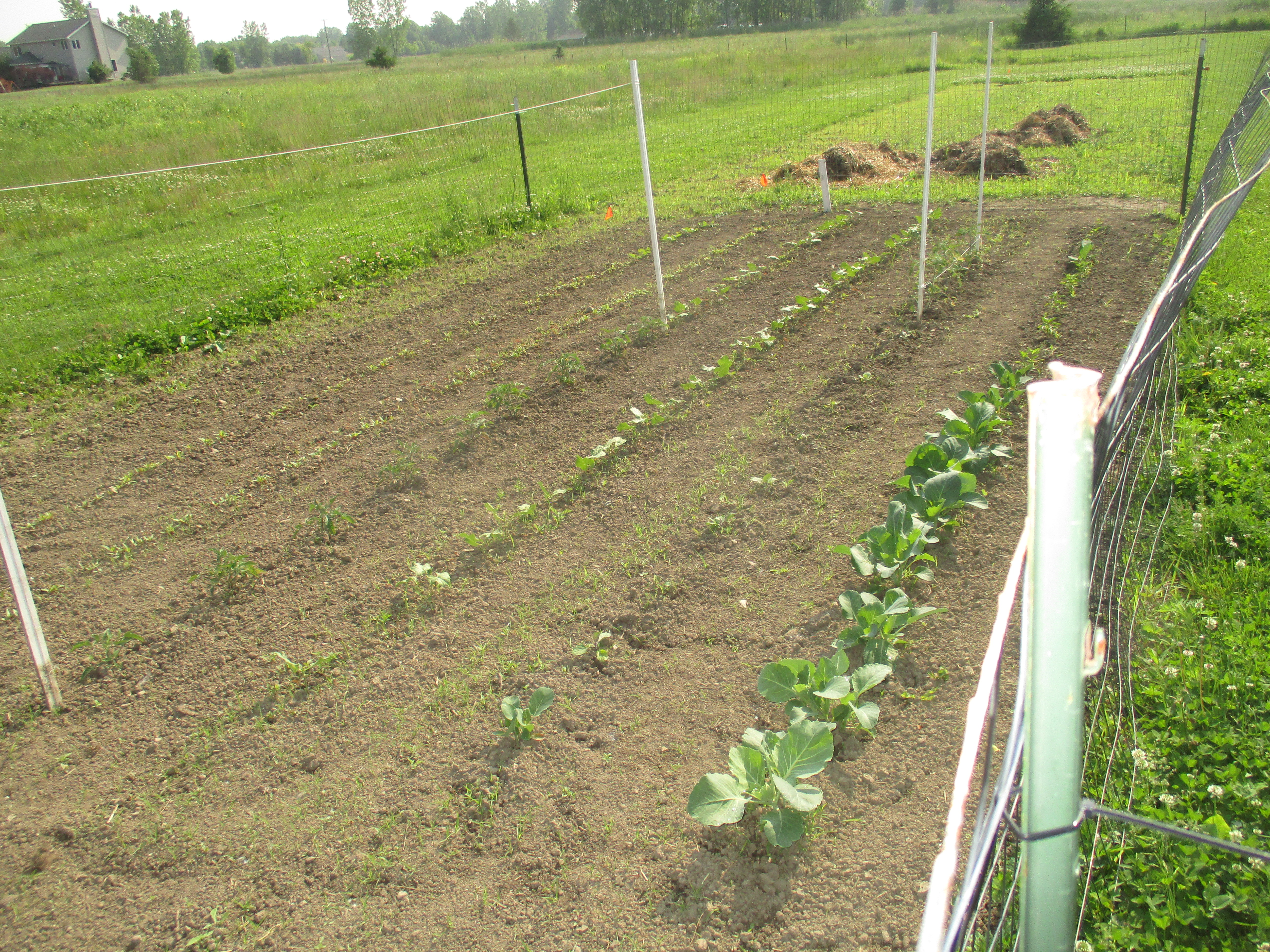
Cabbage is coming along nicely. There are also green beans, eggplant and a few other things in this patch.

Our apple trees are loaded with apples this year. It’s looking like a we may have a bumper crop this fall.
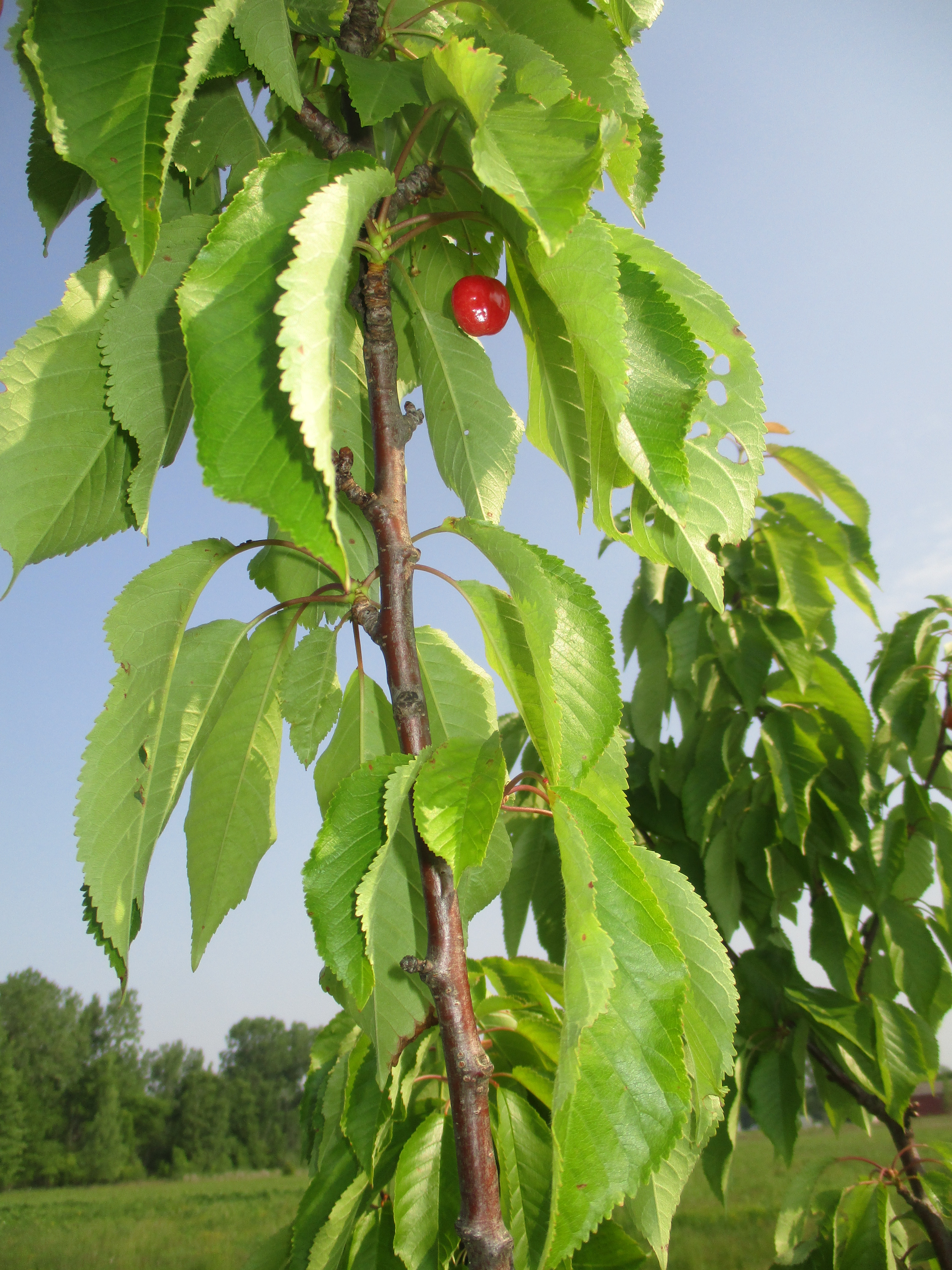
Ripe cherries on one of our new trees. I harvest three wonderful, sweet cherries from this tree. Hoping for a bigger harvest next year.
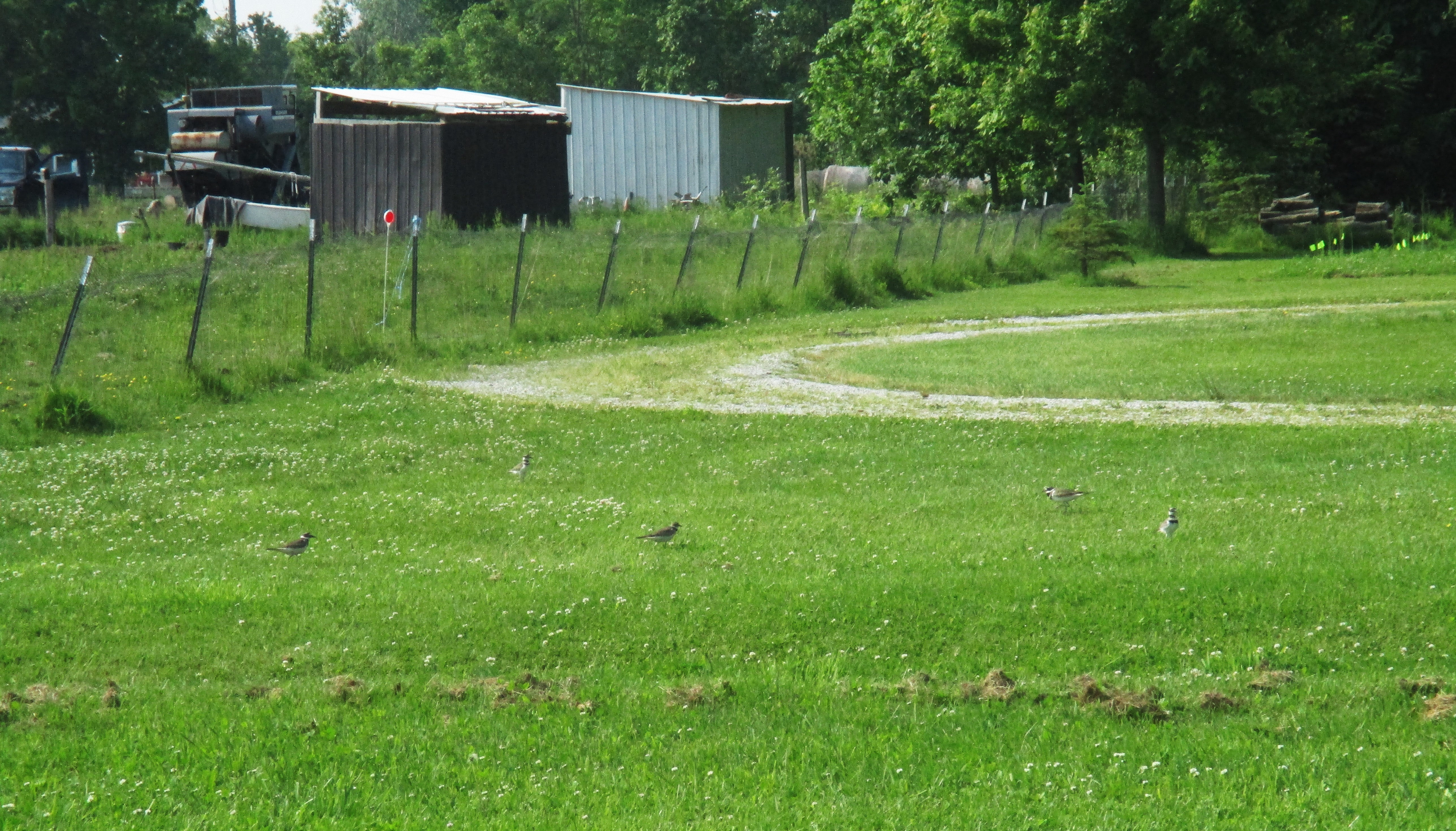
The killdeer quadruplets are still running around. They are nearly as big as the parents so I expect they will be flying off soon.

But in about a week this killdeer and its mate, who decided to nest in the middle of our driveway (forcing us to detour around the area) should have four more babies running around.
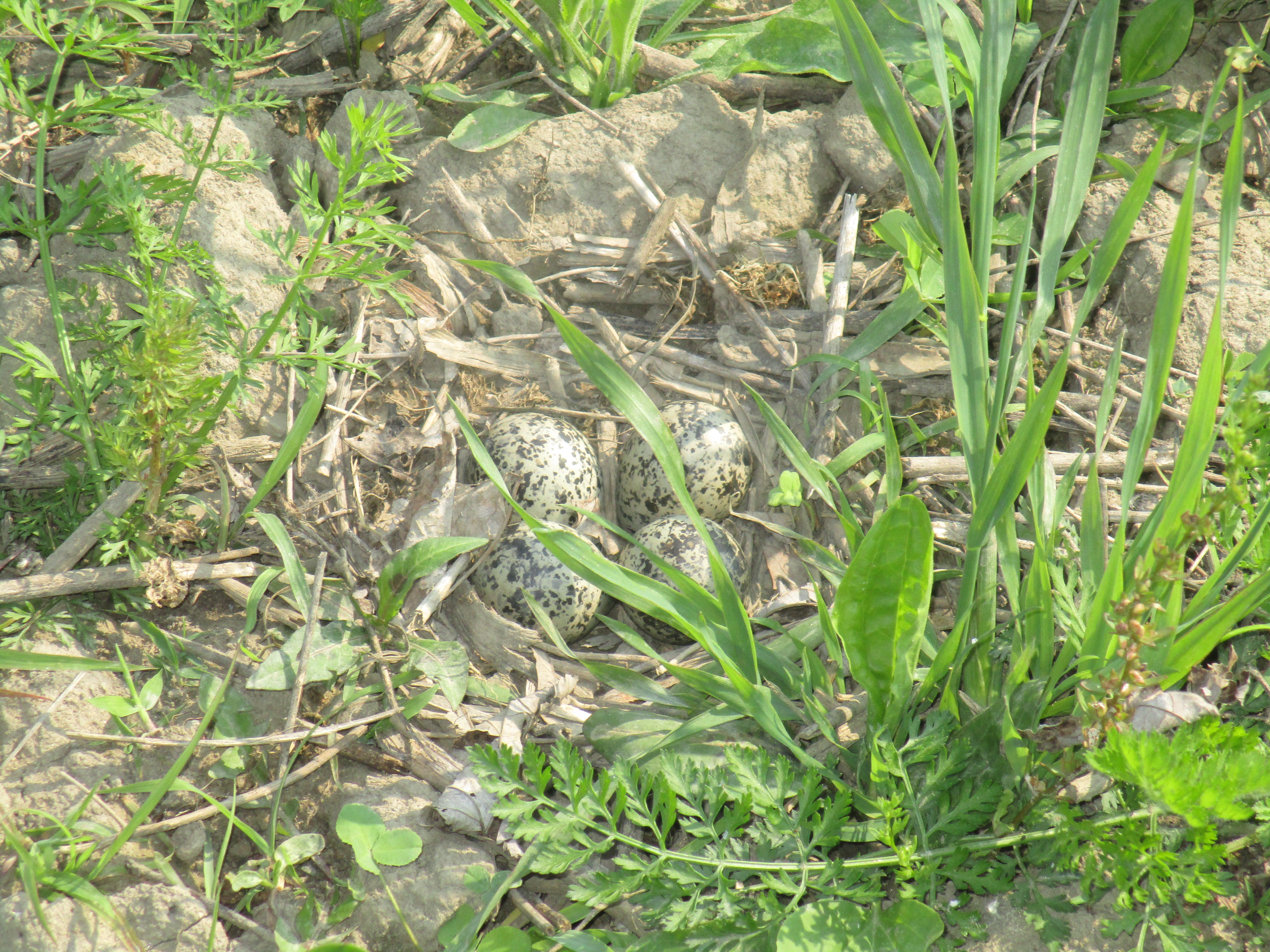
And about a week after that these four killdeer eggs, that are being incubated in an unused area of the garden, should be hatching.

In the back field we see clover,
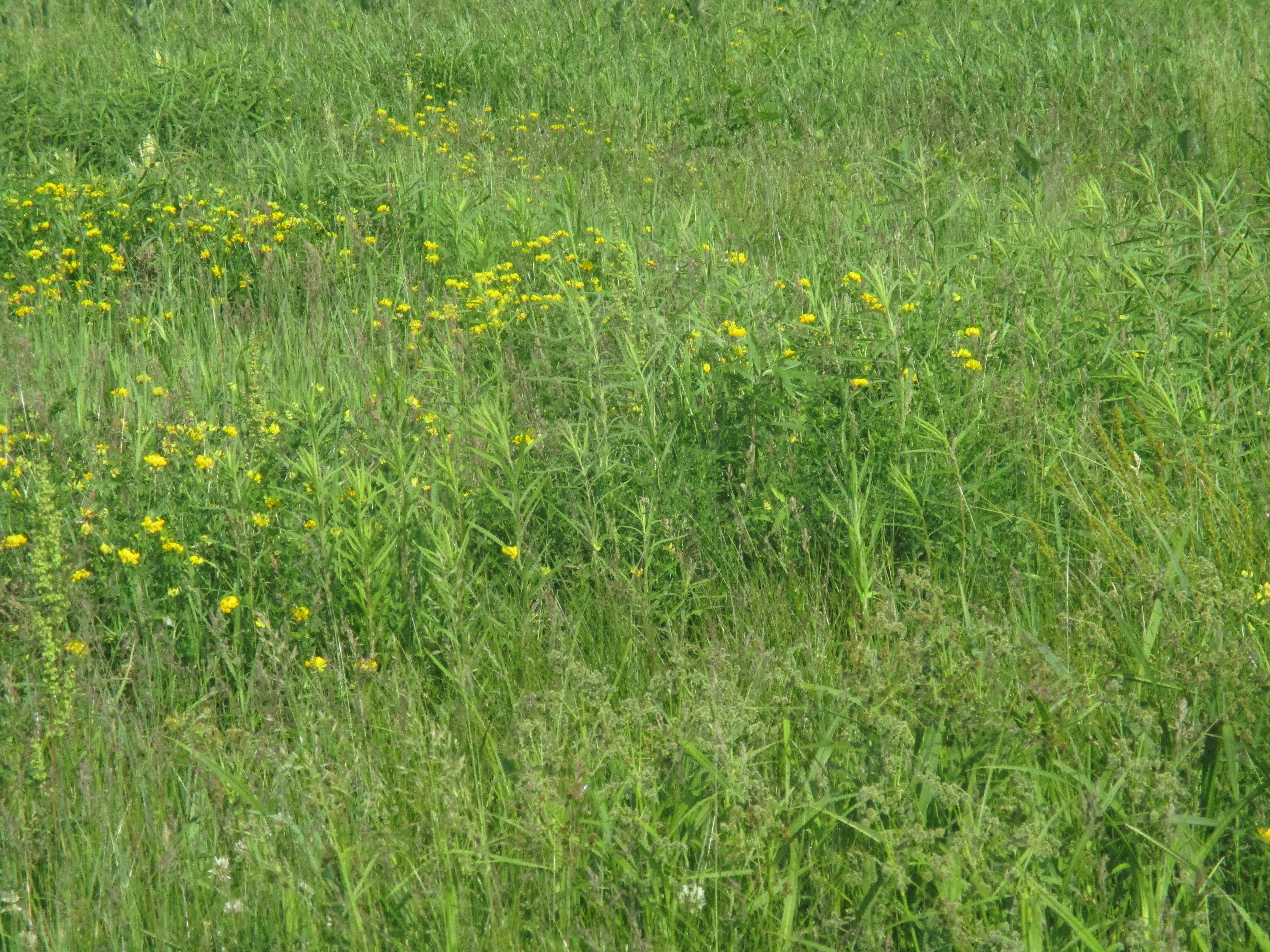
and these yellow flowers birdsfoot trefoil.
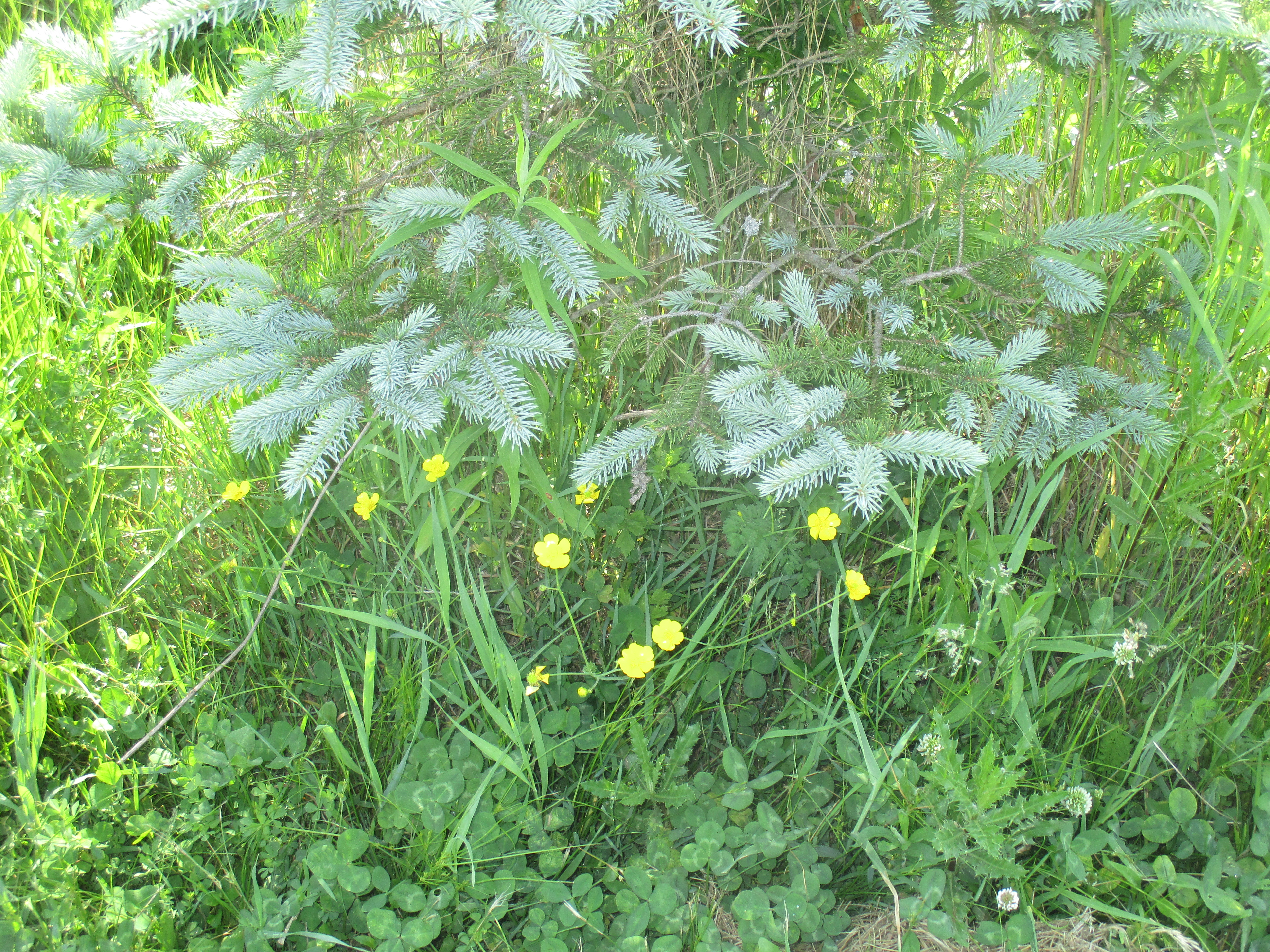
Butter cups under the spruce tree.

And look at those pinecones.
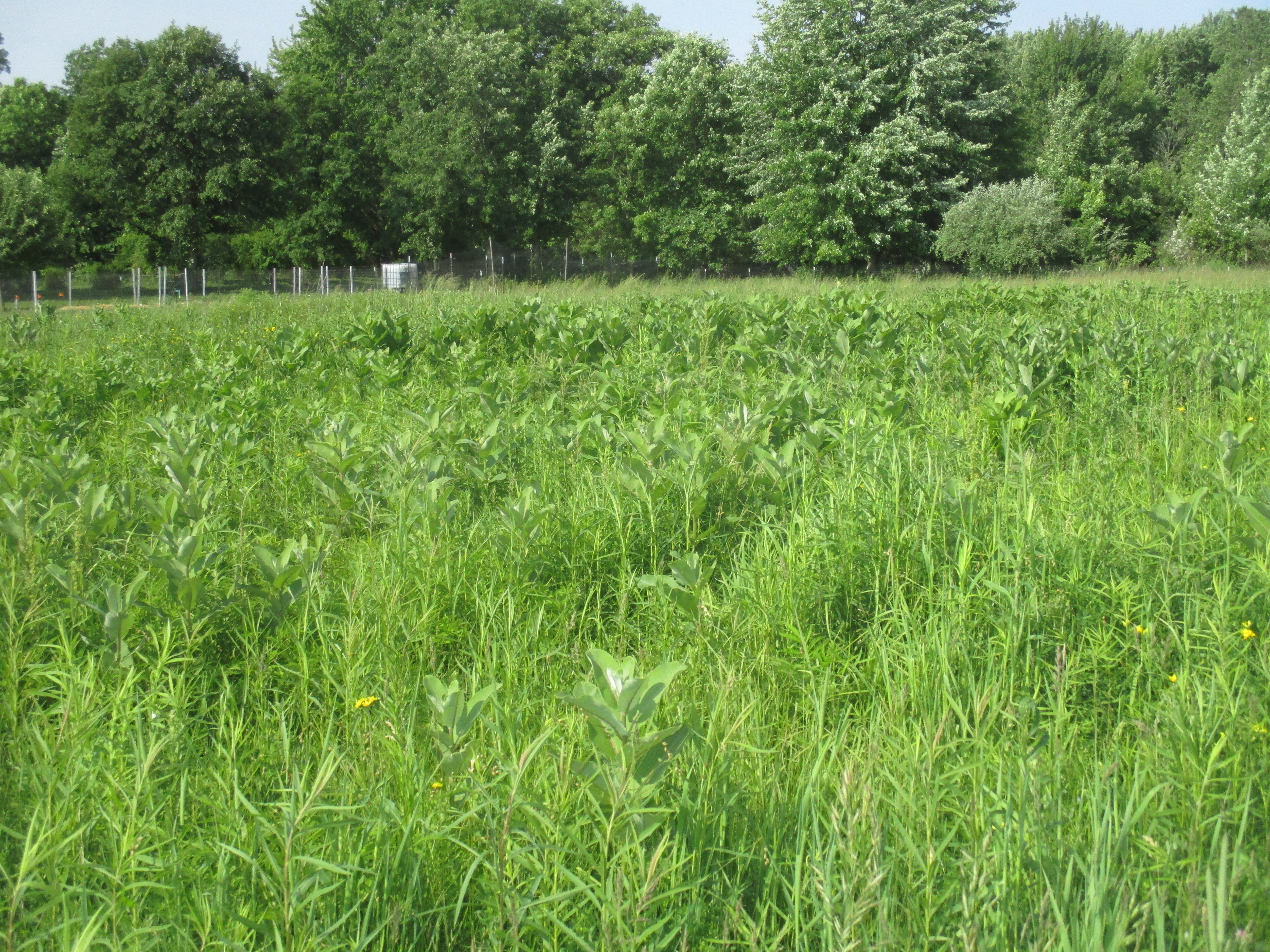
We have a large patch of milkweed in the back field. I have seen a couple of monarch butterflies in the area, so they likely have laid eggs as their caterpillars feed on milkweed leaves once they hatch.
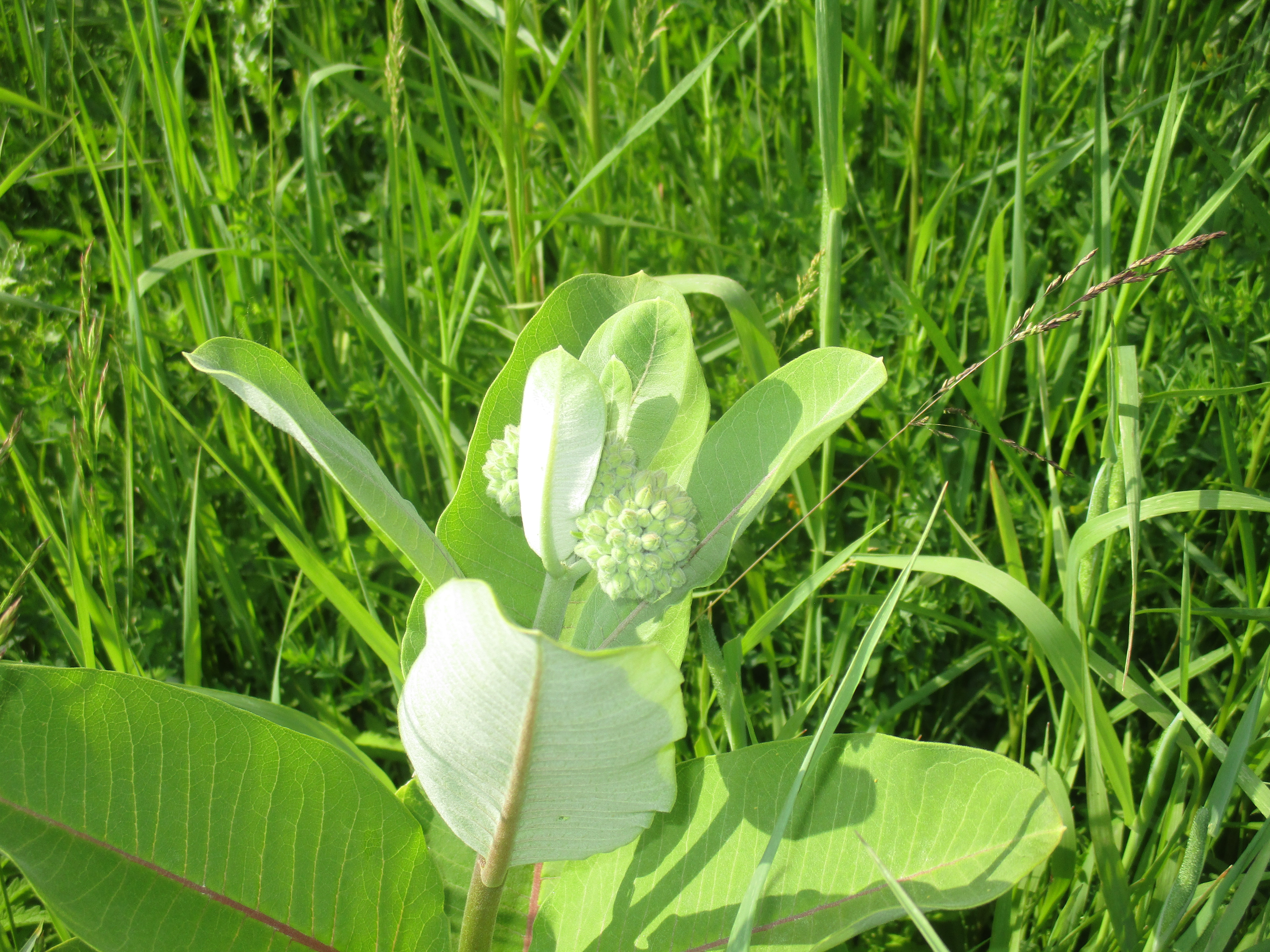
Milkweed.

I believe this yellow flower is called common cat’s ear. It is scattered throughout the field.
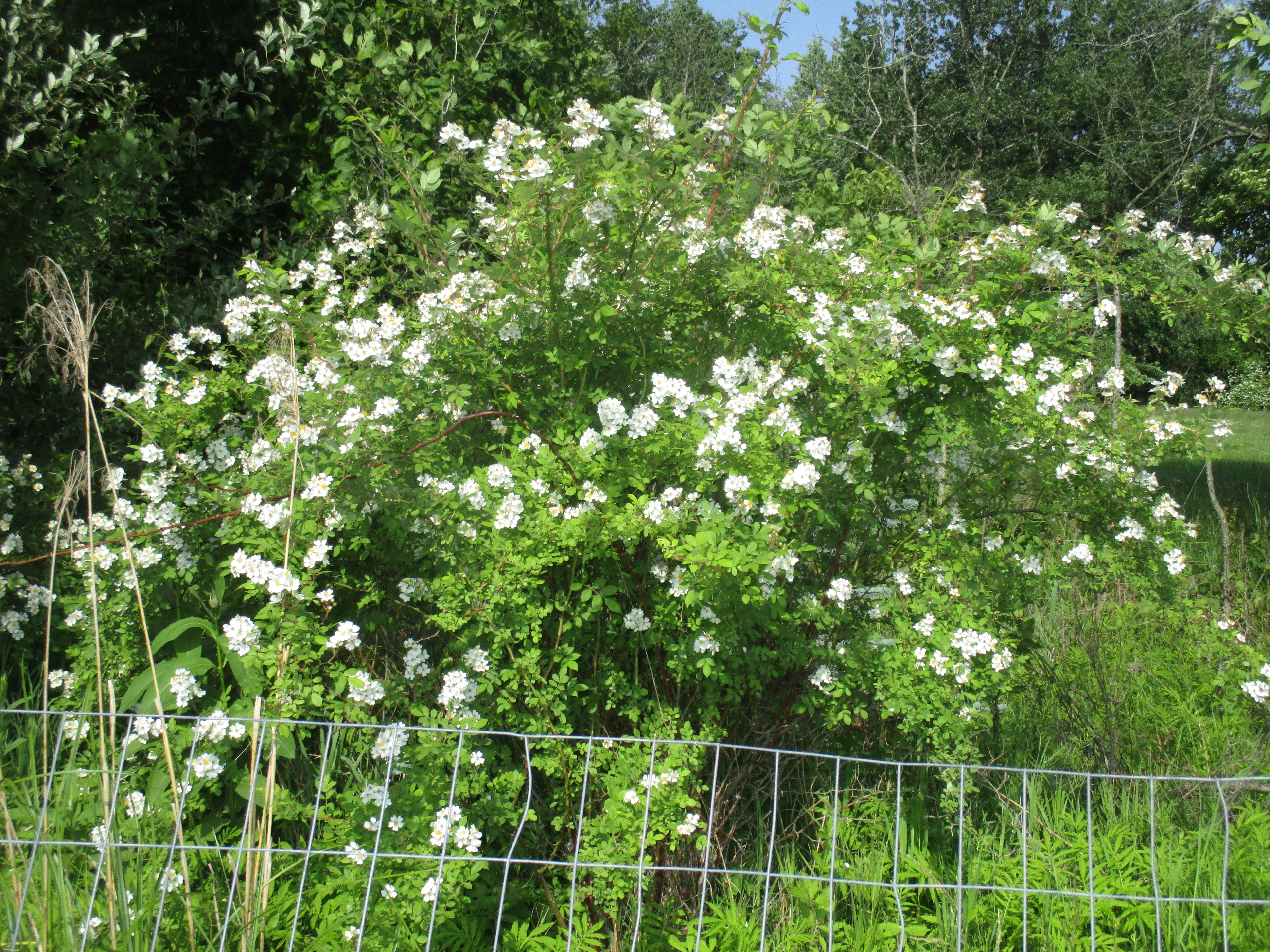
More wild roses in the wood line. Enjoy their lovely fragrance.
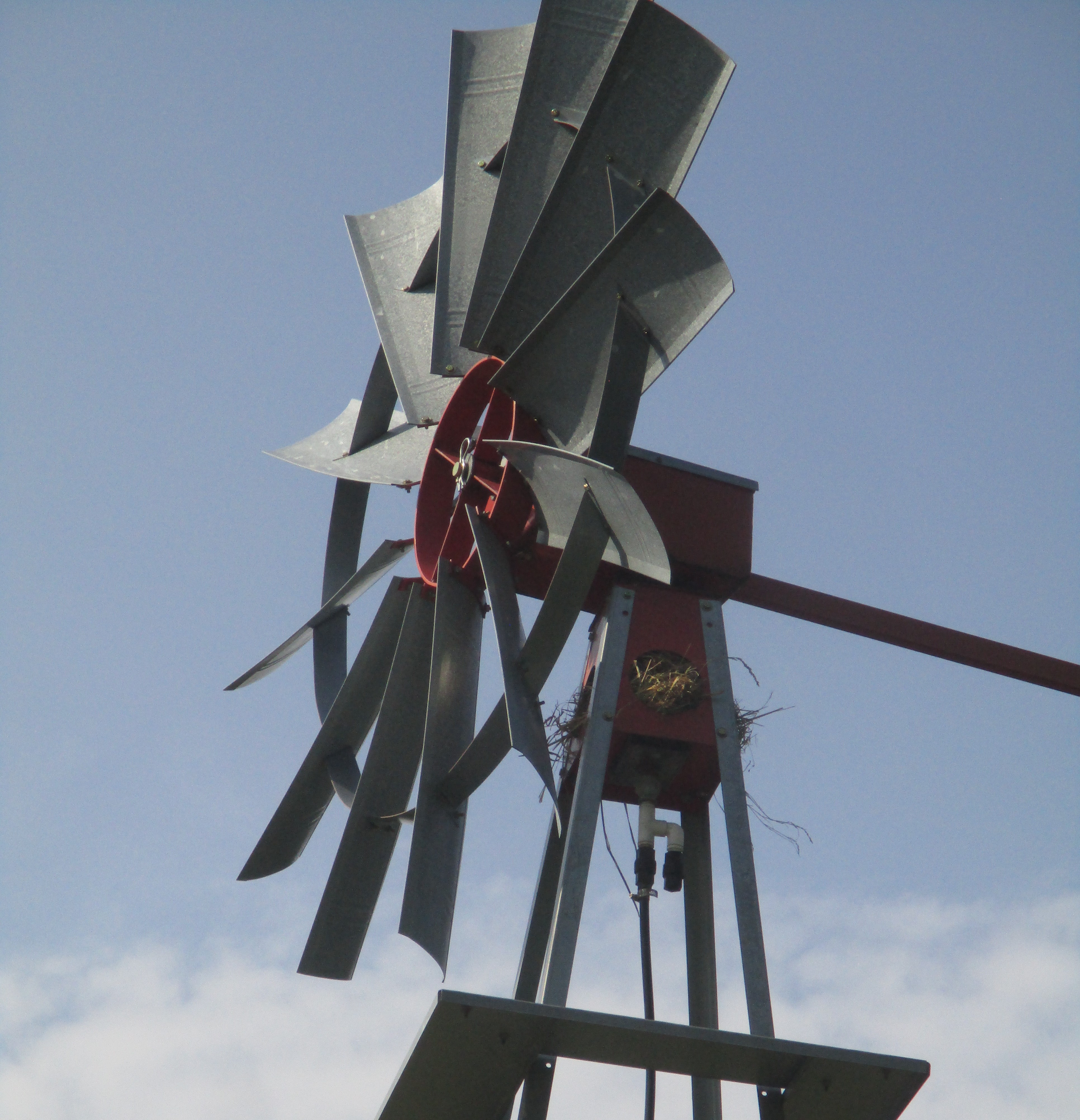
When we arrive back by the prayer garden my husband points out the nest that some birds (sparrows I think) have built in the top of the windmill. That was not there two days ago. Fortunately, it does not interfere with the operations of the windmill.

Thanks for joining me for a spring walk at the farm. I hope you enjoyed it as much as I did.

As a special treat for spending this time with me I am sharing this rare glimpse of the mourning dove who is nesting in the maple tree above our deck. It has been there about two weeks now and I have tried taking pictures many times but mostly I can’t see it through the leaves. I finally got a good photo. I have not seen its mate around, but I read that mourning doves take turns sitting on the nest with males usually there during the daytime and females on the nest at night.
Spring Bouquet

I think it was our first fall at the farm when I planted a bunch of tulip bulbs in the area that has since become our prayer garden. I remember arriving at the farm one morning the following spring and being delighted that several of the tulips were blossoming. They were so pretty. Later that day when we returned for our afternoon walk all of the pretty blossoms were missing and all that remained were the stems and the leaves. I wanted to cry. Thus began our love-hate relationship with deer.

Our First Tulips

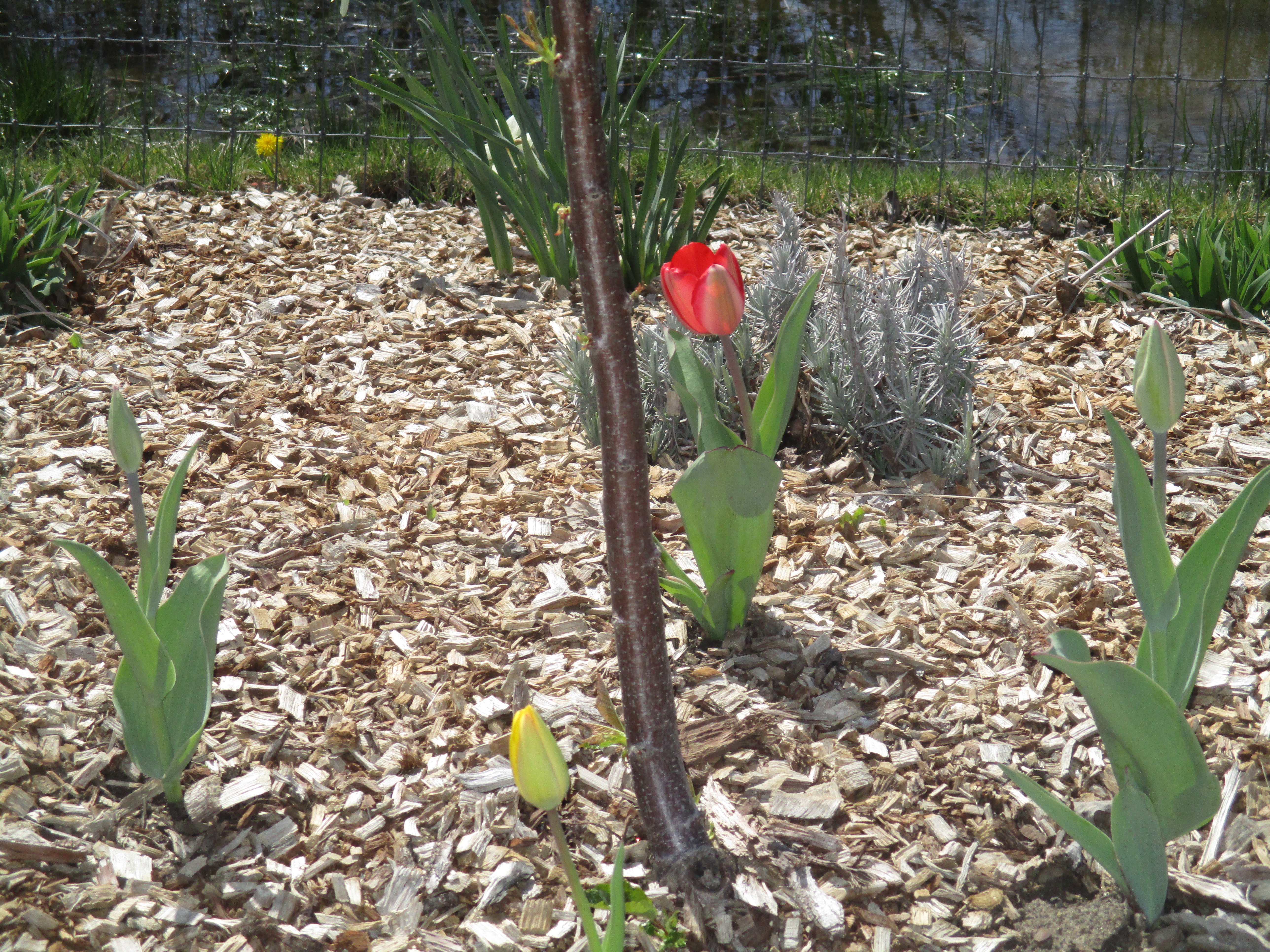
After fencing the farm two years ago and then fencing in the prayer garden last year, we thought it might just be safe to plant tulips. We planted 4.

The first one to open was red. I thought this fitting since the red tulip is a symbol for Parkinsons Disease awareness and April is Parkinsons Awareness month.

The yellow one opened one day later.

And a second red one opened today. I expect the last one will open tomorrow. It looks like it will be another red one.

White hyacinth with mini daffodils.

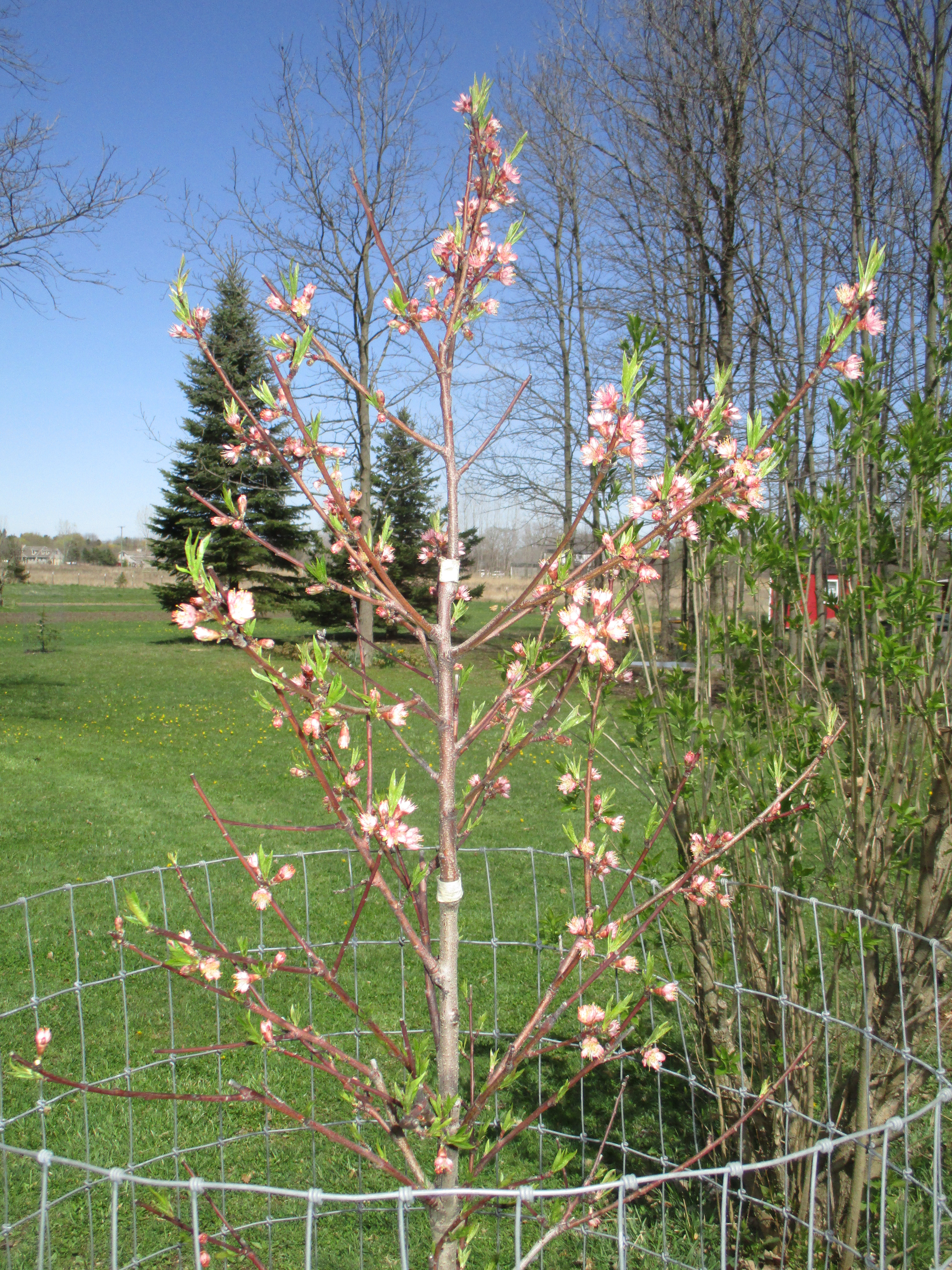
Peach Tree

We planted a peach tree last year and it was doing well this spring

Peach Tree

so, we decided to plant a second one. Both are blossoming. It would be nice to pick a few peaches in August.

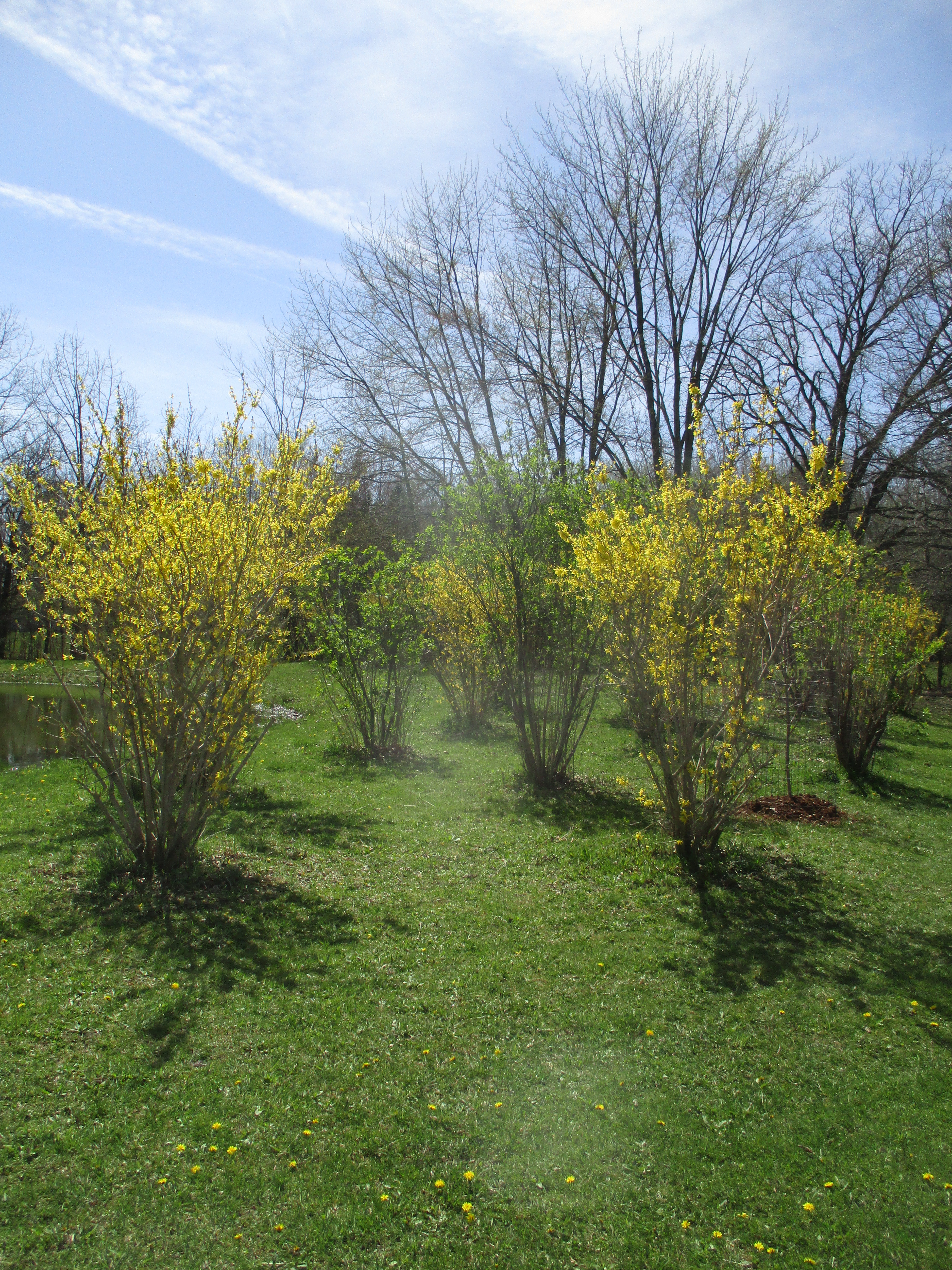
Forsythia

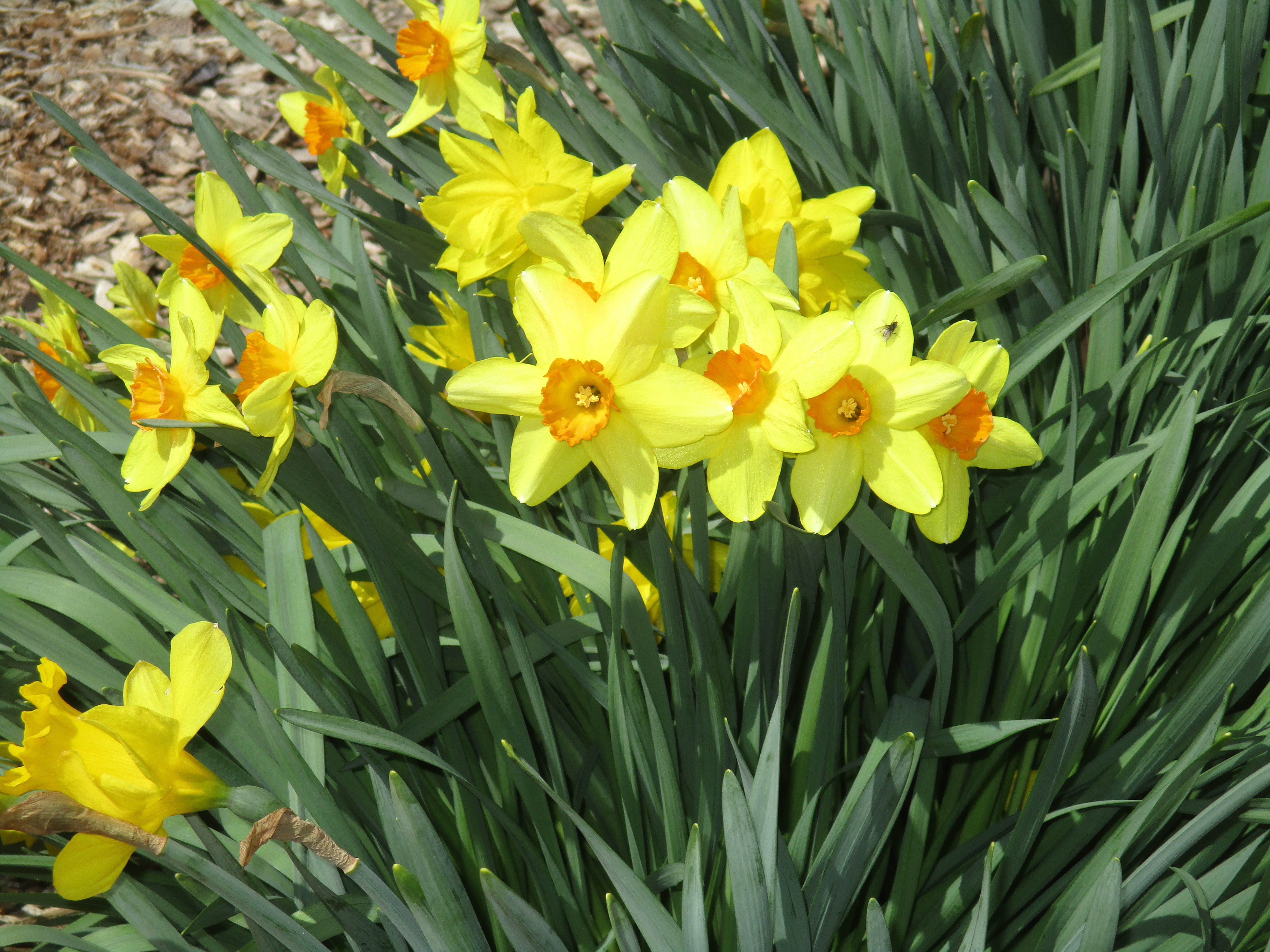
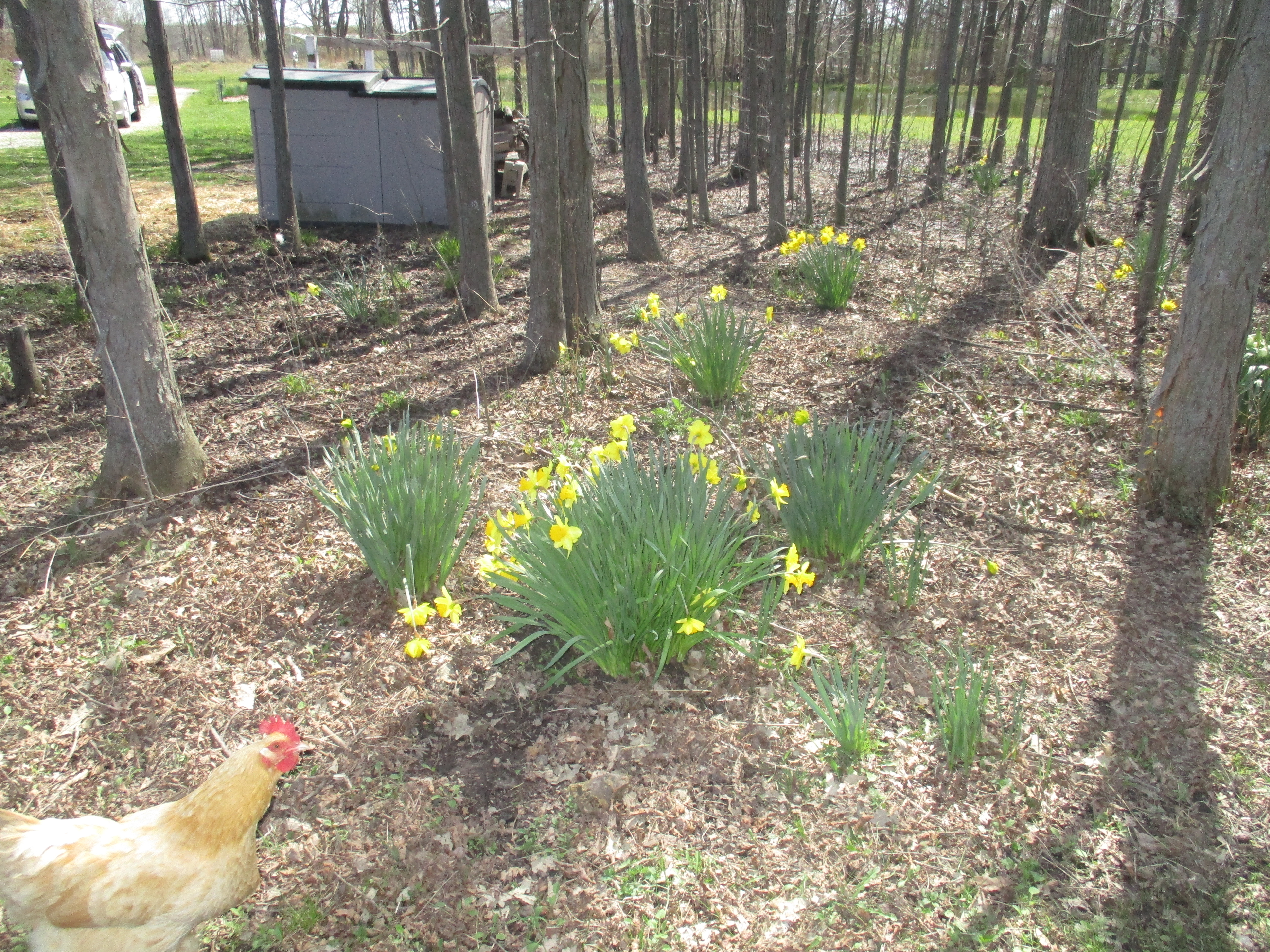
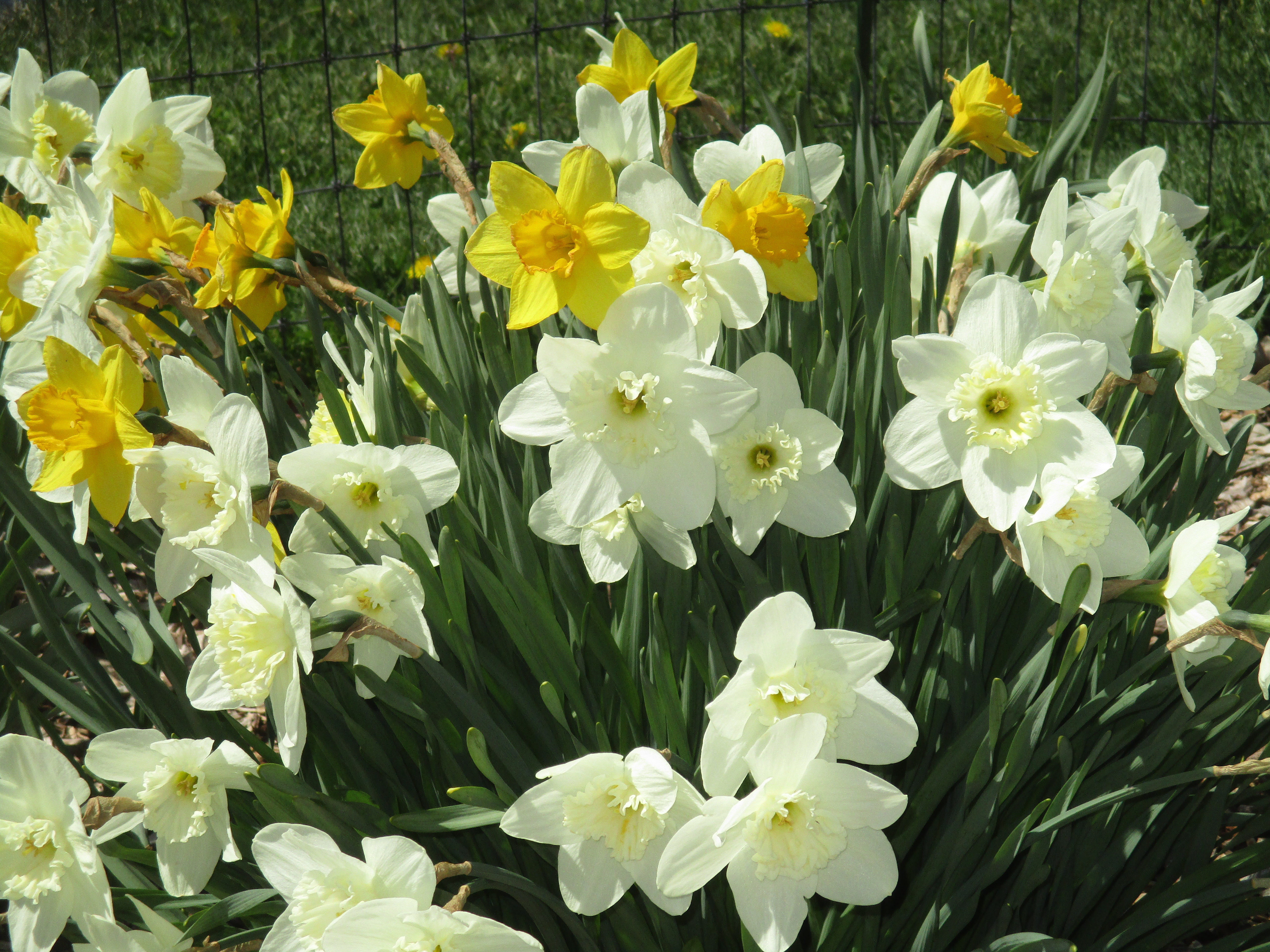
Lots of Daffodils
Sweet Cherry Tree

We planted three sweet cherry trees last year.

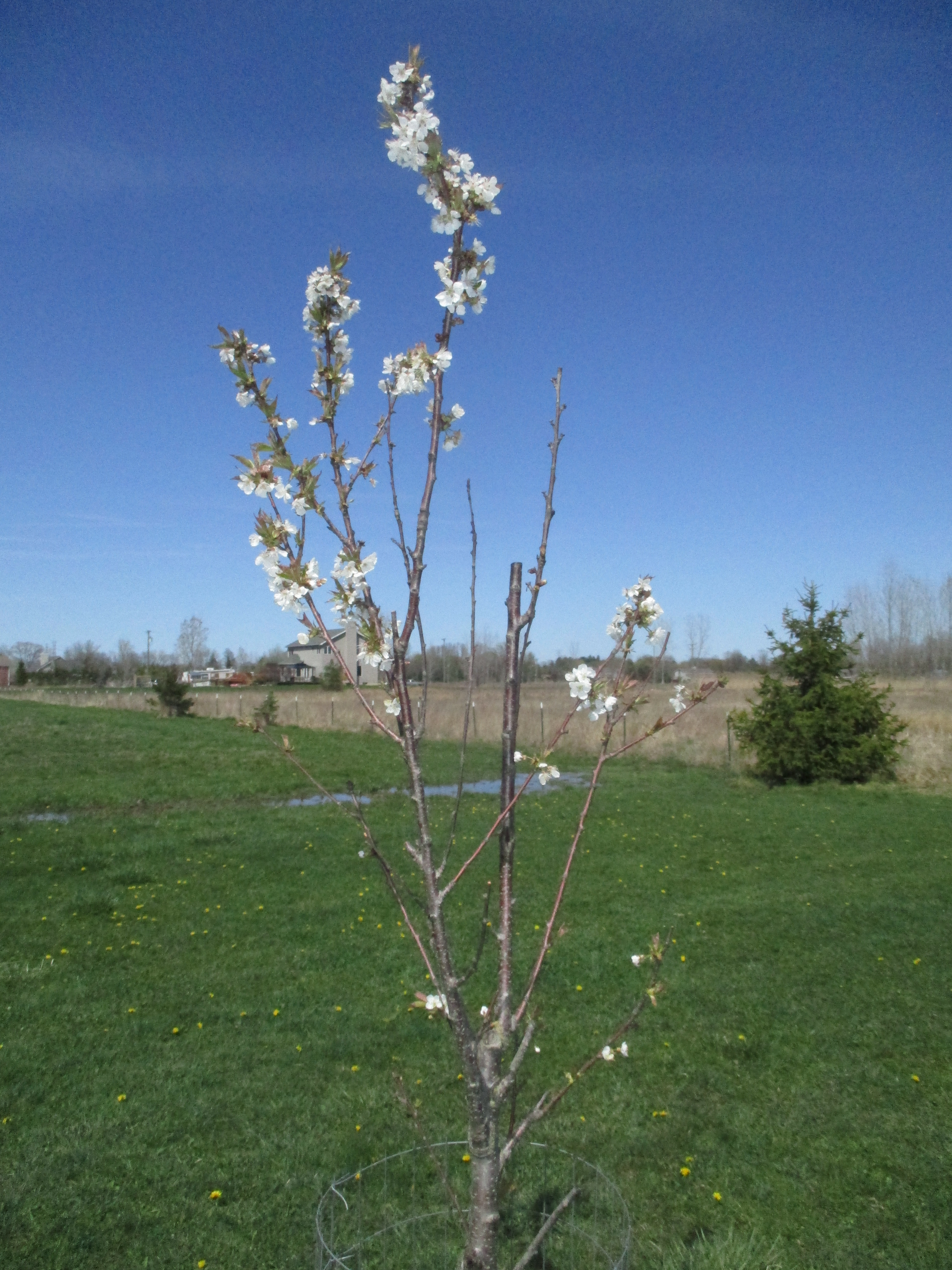
Sweet Cherry Tree

The above two have nice blossoms. I would be thrilled to pick a handful of sweet cherries this year.

A honeybee enjoying the dandelions. We lost our bees over the winter and decided not to start a new hive this year so it’s nice to know there are still bees in the area.

A wildflower that popped up and I am still trying to identify. If you know what it is, please tell me in the comments section.

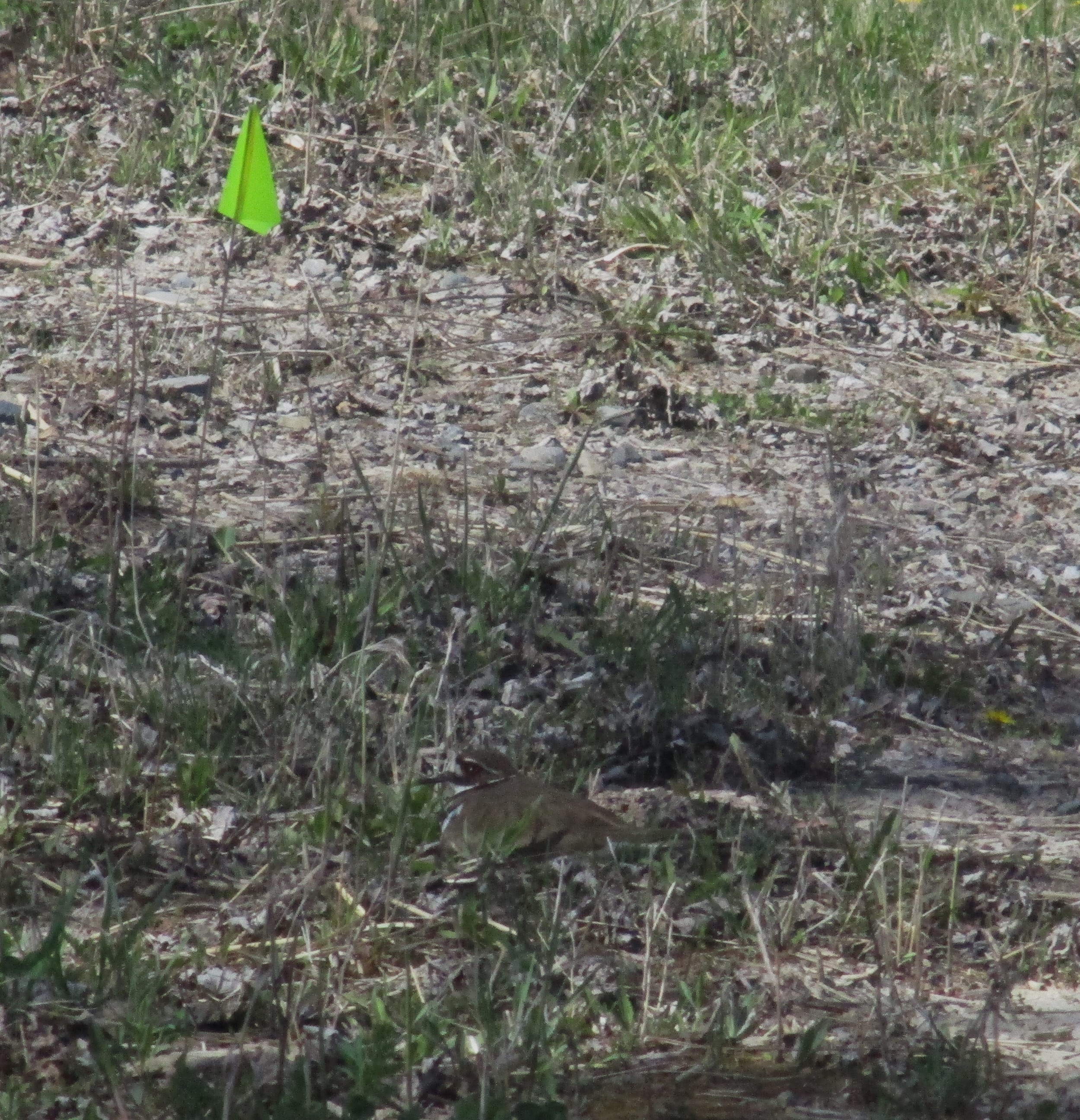
My husband found the killdeer sitting on her nest. There are four eggs in the nest. She is very camouflaged. Can you see her? (Look in the foreground.) He marked the area with the yellow flag so we remember to stay away from it.

Thanks for visiting! What’s blossoming in your area?

Frogs on the Farm

“Frogs on the Farm” was originally written and published on March 30, 2017, a time when I had very few readers. I have decided to share it again today because for various reasons I haven’t got my usual “Spring is Springing” post ready. Be assured that spring is here: the birds have returned from their winter homes, the trees are beginning to bud, the daffodils, iris’s, lily’s and even the garlic are emerging from underground and the frogs are singing. More on that soon. 🙂

Original Post published March 30, 2017

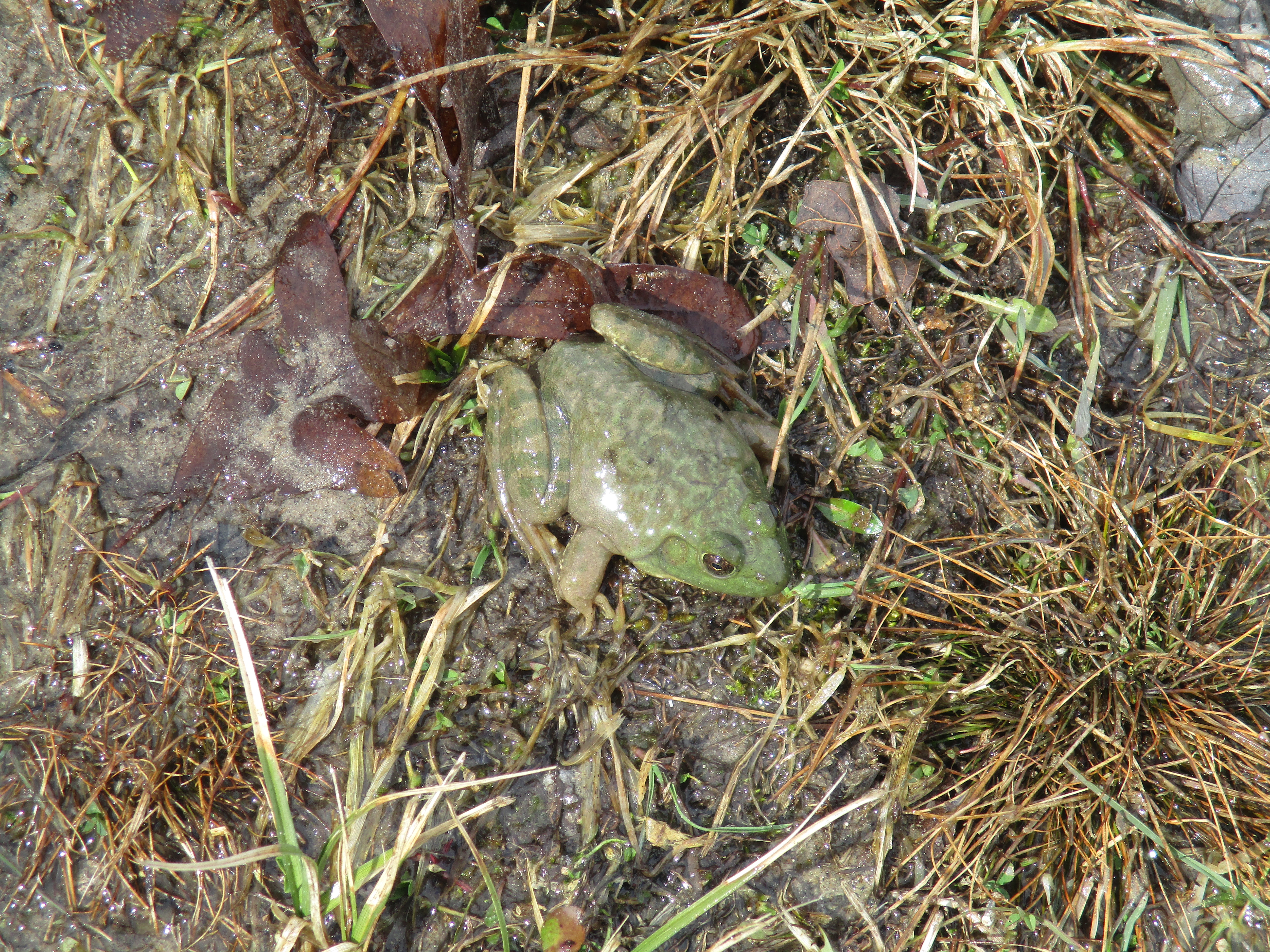
Last week on one of our sap cooking days, in addition to helping keep the fire going, I took on the secondary chore of raking the leaves out of the pond. As I came up with one rake full of leaves and shook them into the pile just beyond the beach, this frog hopped out of the leaves.

IMG_2362

I felt kind of guilty about awakening him or her, because I was yet to see or hear any frogs this spring. It did however spend a good deal of time sunning itself on the beach. It wasn’t until one of the chickens came running up behind it that it took a three foot leap back into the safety of the pond.

It was two days later that we heard the frogs for the first time this year. I remember my mom telling me, that her mom had told her, that after you hear frogs for the first time in the spring you will have three more freezes. Although I’m always excited to hear the frogs in the spring, I haven’t really tested this theory.

Frogs and toads lived on our farm before we put in the pond. I remember the first spring there were tadpoles that had hatched in a puddle of water and my husband was dumping buckets of water in the puddle to keep it from drying up before the tadpoles reached their adolescent stage of life.

Our property does provide the perfect habitat for frogs and toads. The pond offers conditions needed for frogs to lay eggs, for the eggs to hatch into tadpoles and for the tadpoles to live until they grow legs and their lungs develop so they can leave the water. This can take over a year for bull frogs. Even mature frogs, who can live out of water, continue to need a wet area to keep their skin from drying out. Not only does our farm have the pond but we have wooded areas where the ground is covered with dead leaves that keep the ground moist even in the hot and dry summer conditions.

According to the Michigan Department of Natural Resources article that I have linked below of the more than 3400 species of frogs/toads only 13 live in Michigan. I am certain we have at least 4 species that populate our farm.

Frogs and toads are wonderful for pest control. The aforementioned article relates that a single frog will consume thousands of insects per year. Last year we discovered that we were reaping the benefits of this. As we picked our bountiful harvest of strawberries  https://donteatitsoap.com/2016/06/30/strawberries-at-last/ last June my husband and I spoke several times about the fact that we did not have any slugs eating the berries. This is a problem the we have had with strawberries we have grown at the house in the past. It wasn’t until my husband told me that he had been surprised by a frog hiding in the strawberry patch, while he was picking berries, that I realized that this frog was probably enjoying a regular diet of slugs and any other pests that threatened to consume our strawberry crop. I am hopeful that a frog will take up residence in the strawberry patch again this year.

Frogs are a good indicator of the health of wetlands, ponds, lakes and such as they do not survive in polluted areas. The Michigan DNR article that I have linked below explains that chemical fertilizers and pesticides are a threat to frog populations; not only can the chemicals kills frogs and toads, but the pesticides also reduce their food supply.

http://www.michigan.gov/dnr/0,4570,7-153-10370_12145_12201-35089–,00.html

The frogs on our farm are also entertaining. In the summer time when we walk around the edge of the pond the frogs jump into the pond one right after the next. It’s kind of funny because there may be 50-100 frogs sitting around the outer edge of the pond. The dogs like to chase the frogs but rarely are they able to catch them. Last year Scout spent hours in the evenings looking for frogs along the edge of the pond, he enjoyed the search immensely even though he never caught any. After dark we are often treated to a campfire symphony, in surround sound I might add, as the several different species of frogs sing from different areas of the farm.

While not everyone has the luxury of being able to put a pond on their property I have included the following link for those who may be interested in creating a frog habitat. I would encourage you to read through the end of the article, as it does explain that the best way to introduce frogs to this habitat is to let them come to it naturally and this may take a year or more. It also explains that not all parts of the U.S. are favorable for creating frog habitats.

https://www.nwf.org/News-and-Magazines/National-Wildlife/Gardening/Archives/2000/Want-to-Host-a-Garden-Party-for-Frogs.aspx

Rescue Roses and Mystery Roses

This post was originally published in July of 2017. Since our wild rose bushes are now blooming I thought I would share this.

Rescue Roses

When we bought our farm it was 7.6 acres of vacant land. It had been sitting untouched for many years and was overgrown with countless types of vegetation. It was so much fun exploring the property and discovering various trees, bushes, and wild flowers.

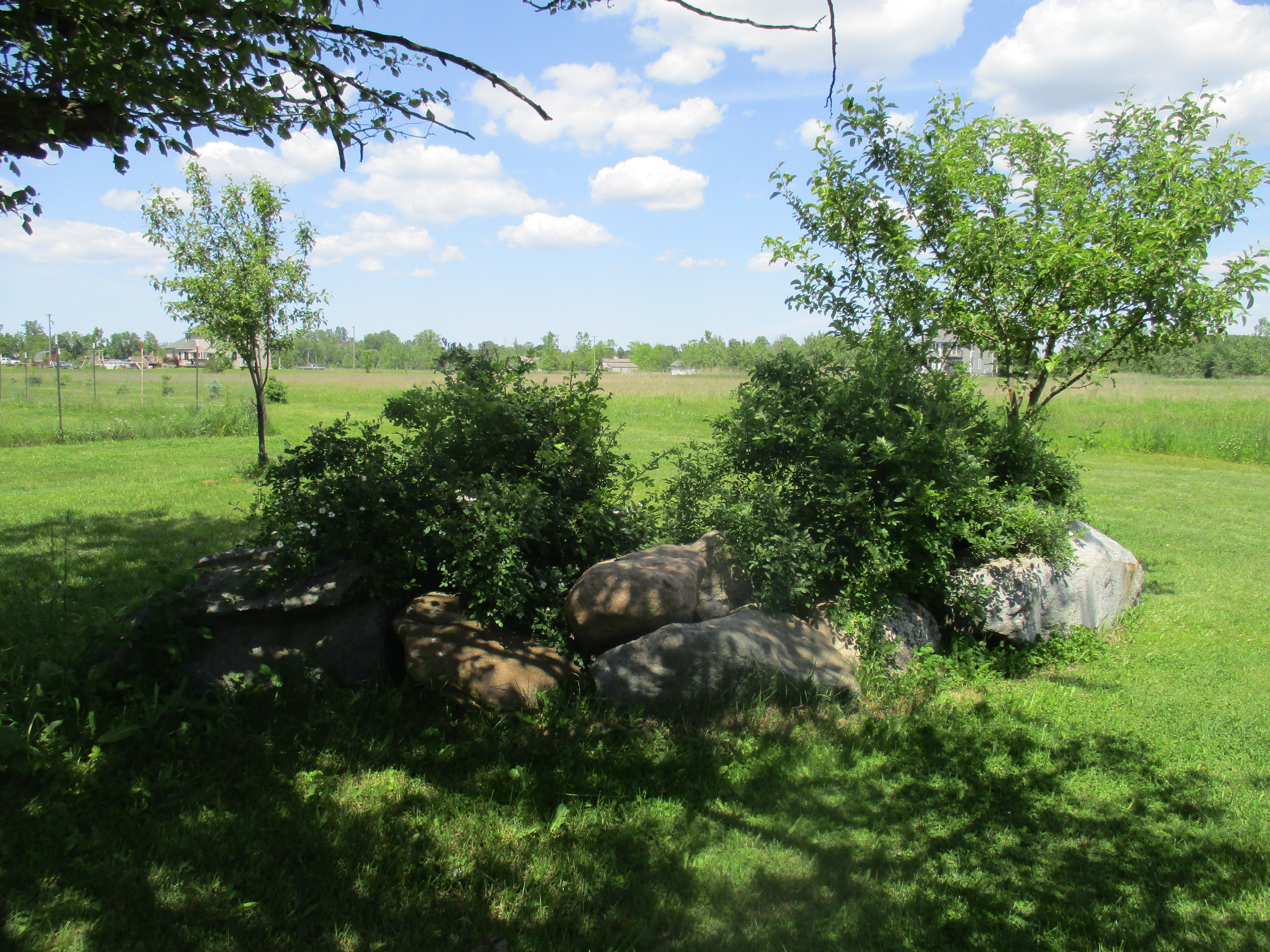
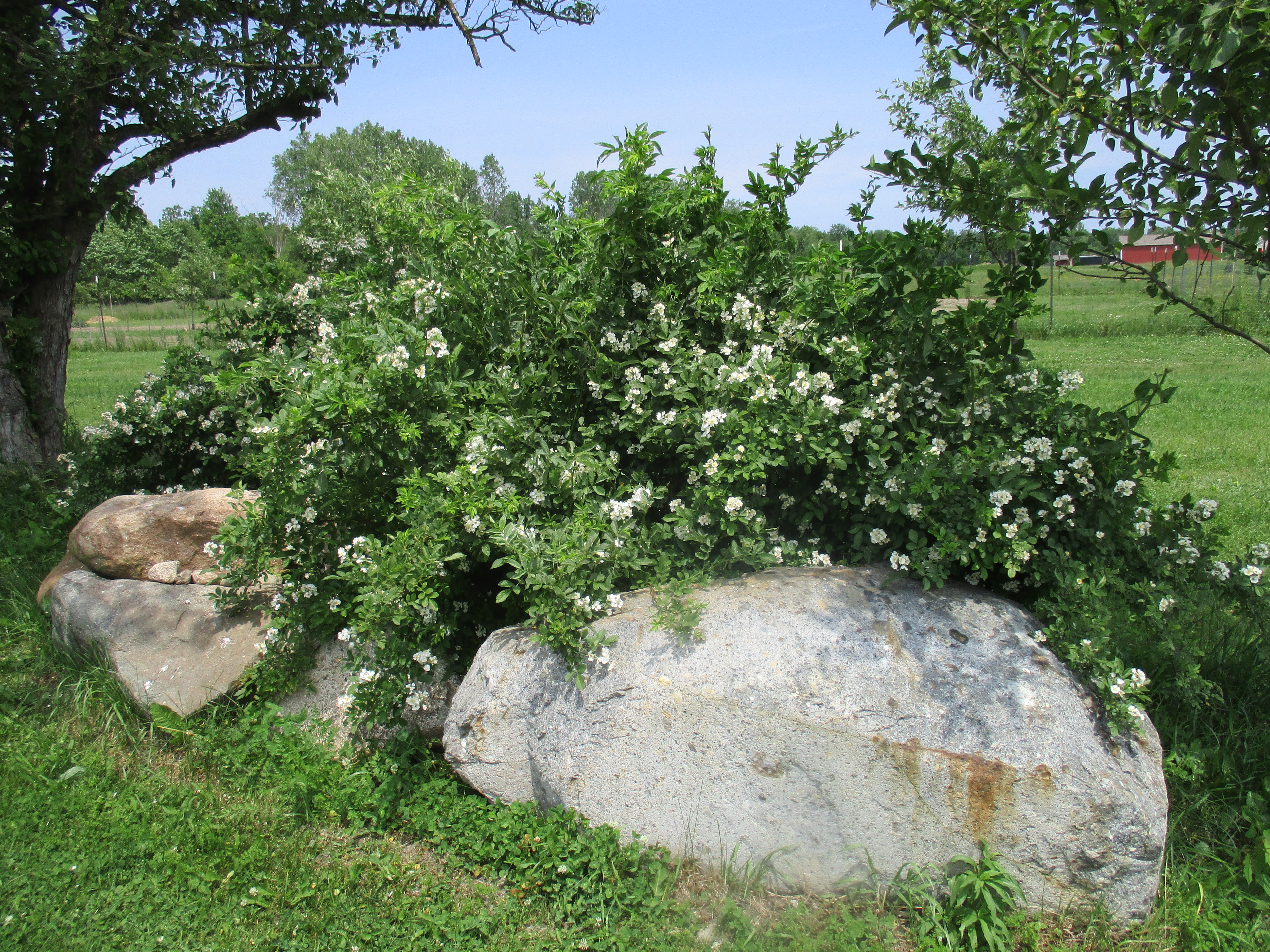
One of my great disappointments was when I realized that I was going to lose a beautiful wild rose bush when we dug our pond. “We will move it,” my husband said. We decided to plant it next to theses large rocks. Rocks that we had decided we would never move again.

We cut down the bushy part of the rose and dug up as much as the root as we could and replanted it next to the rocks.

IMG_2720

We have since found 4 or 5 more rose bushes which would need to be moved so we didn’t destroy them as we developed areas of the farm. All of theses rose bushes were replanted near the rocks in what has now become our rescue rose garden.

IMG_2716

These rose bushes thrive in their new home.

IMG_2745

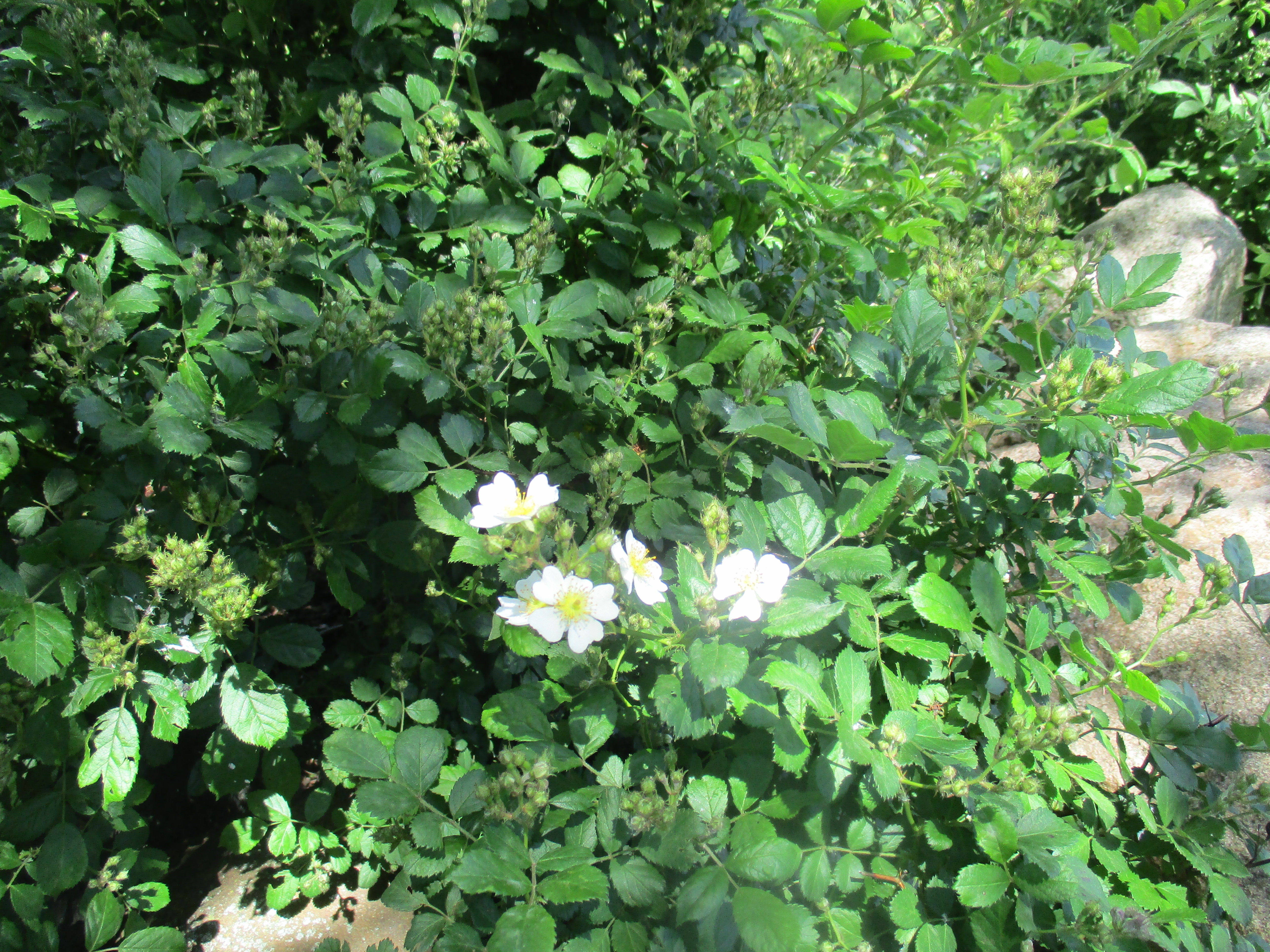
I am always excited to see these rose bushes blossom in the spring and they have a lovely fragrance.

IMG_2718

It is gratifying to know that we were able to preserve this beautiful part of nature.

Mystery Roses

Another rose story I want to share is what my husband and I are calling the mystery rose. The yellow rose bush was a given to me as a Mother’s Day gift from my children several years ago. My oldest daughter had picked it out, and she selected yellow because I had told her that bees tend to like yellow and pink flowers but not red flowers. That was something I read when I was researching honey bees. We planted the rose in the center of our prayer garden.

IMG_0042
Yellow Rose 2015

Despite giving it lots of TLC, watering when needed, fertilizer, and protecting it from the deer, the rose bush struggled. Last year I pruned it way down because the top had died off and dried up. I was sad because whenever someone gives me a plant it is a reminder of that person. In this case it represented my 4 daughters.

IMG_2729
Yellow Rose Is Red In 2017

Several weeks ago my husband asked me if I’d seen my rose bush. “It has one blossom and lots of buds.” he said. A couple days later I was baffled as I checked on my rose bush. “That was a yellow rose.” I told my husband. “Now it has red blossoms.” He didn’t really remember it being yellow, but he didn’t accuse me of being crazy. To make sure I wasn’t crazy I looked back through my pictures and found the picture above.

I decided that there were one of two explanations for this change. The first one would be that someone had replaced the dead rose bush with a live one and had put in red rather than yellow. If this had happened I’m am certain I would have seen evidence of the digging and replanting.

The other thing I thought may have happened was that the yellow rose was a grafted bush and the root stock that was used was a red rose. I wasn’t sure if roses were grafted or if this scenario was possibly so I did an internet search.

This link from the MSU Extension explains that indeed my second explanation is plausible. http://msue.anr.msu.edu/news/why_are_my_roses_changing_color   Apparently I had pruned the rose bush down below the point where it was grafted. The root stock that was from a red rose was strong enough to survive and seems to be thriving in our garden. I do love this beautiful red rose and it will continue to remind me of my daughters.


Rescue Roses and Mystery Roses

Rescue Roses

When we bought our farm it was 7.6 acres of vacant land. It had been sitting untouched for many years and was overgrown with countless types of vegetation. It was so much fun exploring the property and discovering various trees, bushes, and wild flowers.

One of my great disappointments was when I realized that I was going to lose a beautiful wild rose bush when we dug our pond. “We will move it,” my husband said. We decided to plant it next to theses large rocks. Rocks that we had decided we would never move again.

We cut down the bushy part of the rose and dug up as much as the root as we could and replanted it next to the rocks.

IMG_2720

We have since found 4 or 5 more rose bushes which would need to be moved so we didn’t destroy them as we developed areas of the farm. All of theses rose bushes were replanted near the rocks in what has now become our rescue rose garden.

IMG_2716

These rose bushes thrive in their new home.

IMG_2745

I am always excited to see these rose bushes blossom in the spring and they have a lovely fragrance.

IMG_2718

It is gratifying to know that we were able to preserve this beautiful part of nature.

Mystery Roses

Another rose story I want to share is what my husband and I are calling the mystery rose. The yellow rose bush was a given to me as a Mother’s Day gift from my children several years ago. My oldest daughter had picked it out, and she selected yellow because I had told her that bees tend to like yellow and pink flowers but not red flowers. That was something I read when I was researching honey bees. We planted the rose in the center of our prayer garden.

IMG_0042
Yellow Rose 2015

Despite giving it lots of TLC, watering when needed, fertilizer, and protecting it from the deer, the rose bush struggled. Last year I pruned it way down because the top had died off and dried up. I was sad because whenever someone gives me a plant it is a reminder of that person. In this case it represented my 4 daughters.

IMG_2729
Yellow Rose Is Red In 2017

Several weeks ago my husband asked me if I’d seen my rose bush. “It has one blossom and lots of buds.” he said. A couple days later I was baffled as I checked on my rose bush. “That was a yellow rose.” I told my husband. “Now it has red blossoms.” He didn’t really remember it being yellow, but he didn’t accuse me of being crazy. To make sure I wasn’t crazy I looked back through my pictures and found the picture above.

I decided that there were one of two explanations for this change. The first one would be that someone had replaced the dead rose bush with a live one and had put in red rather than yellow. If this had happened I’m am certain I would have seen evidence of the digging and replanting.

The other thing I thought may have happened was that the yellow rose was a grafted bush and the root stock that was used was a red rose. I wasn’t sure if roses were grafted or if this scenario was possibly so I did an internet search.

This link from the MSU Extension explains that indeed my second explanation is plausible. http://msue.anr.msu.edu/news/why_are_my_roses_changing_color   Apparently I had pruned the rose bush down below the point where it was grafted. The root stock that was from a red rose was strong enough to survive and seems to be thriving in our garden. I do love this beautiful red rose and it will continue to remind me of my daughters.