Category Archives: Tadpoles

The Week in Pictures

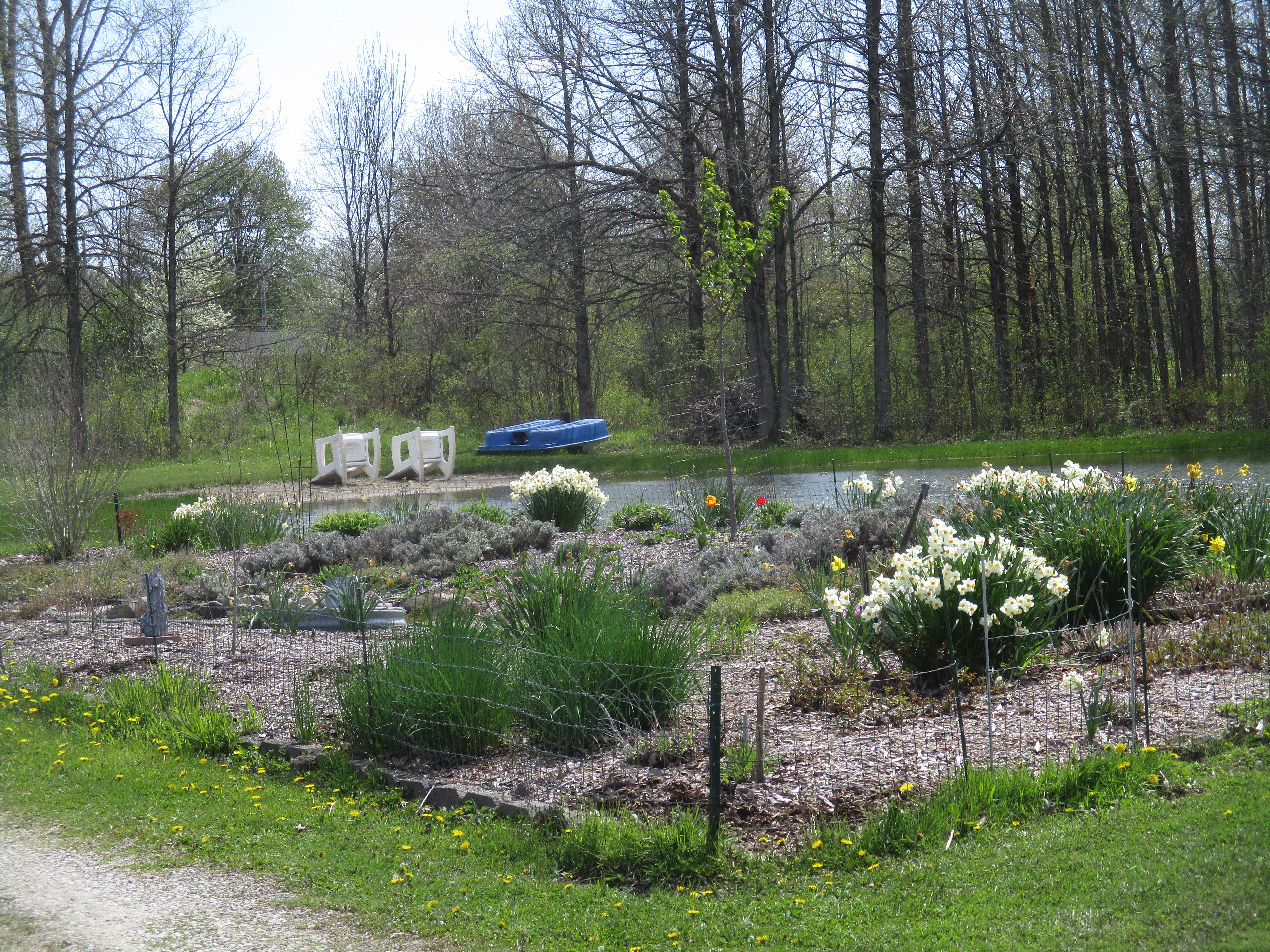
It seems like we have been waiting forever for the weather to get nice and now, all of a sudden, we have so much that needs to be done mowing, planting, weeding and more.
Missed Shots

Monday morning when we got to the farm I started on my walk with camera in hand. I began taking pictures of flowers in bloom only to realize that my camera battery was dead. The pictures would have to wait until later that day.

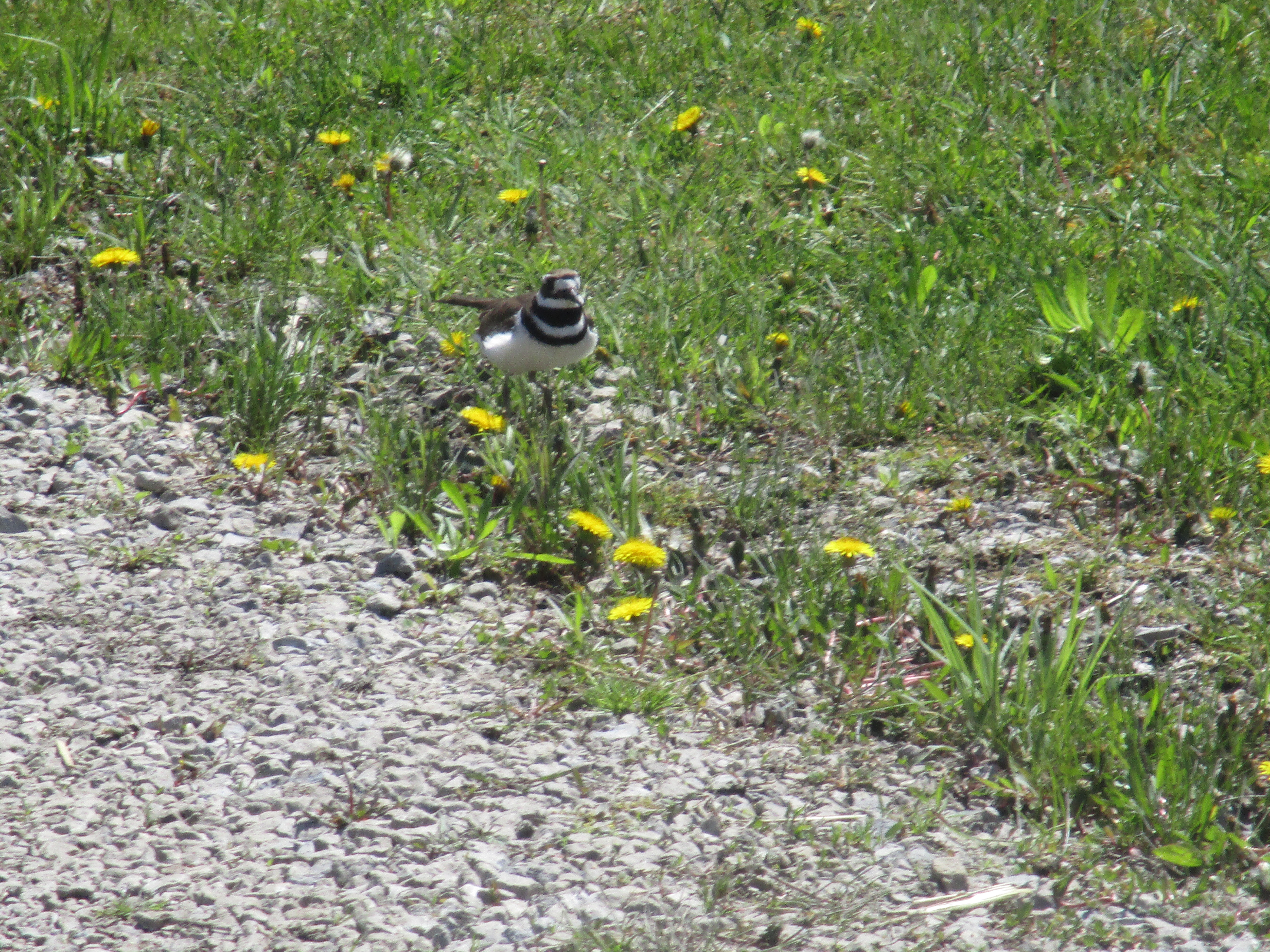
After my walk I began mowing grass being careful, as I normally am, not to run over any bees that were foraging in the dandelions. It may slow me down a bit but to me it’s worth it. I was mowing in the area near the gardens when I notice an adult killdeer running around, then as I looked closer, I saw the four babies. I’m sure they were only about a day old but I’m not sure where the nest was. At least it wasn’t in our driveway this year. I didn’t have my camera but was fairly certain they would be around later.

Not long after that, I was mowing not far from our beehive when I noticed that the bees were swarming. This is when I regretted not having my camera available. This is something you don’t see very often, and it is a sight to behold. Thousands of bees swarming outside of the hive. Keep in mind, if you ever see a swarm of honeybees, they are not a threat. They are in transition from one home to their next home and at this point their main objective is protecting their queen.

My husband and I kept an eye out to see where they landed, because he wanted to capture the swarm and put them in our empty hive if possible. They landed in a great location in a nearby spruce tree at a height where he could reach them. After lunch he went back to the farm alone (I stayed home with the dogs) and captured the swarm. Since I didn’t get any pictures of the swarm or him capturing it, I will refer you to this post from 2017 when he did the same thing.

It really was a gift having this hive swarm and being able to start a new hive with these bees since these bees were able to survive this past winter.

Now for some of the pictures from the week.

Nature
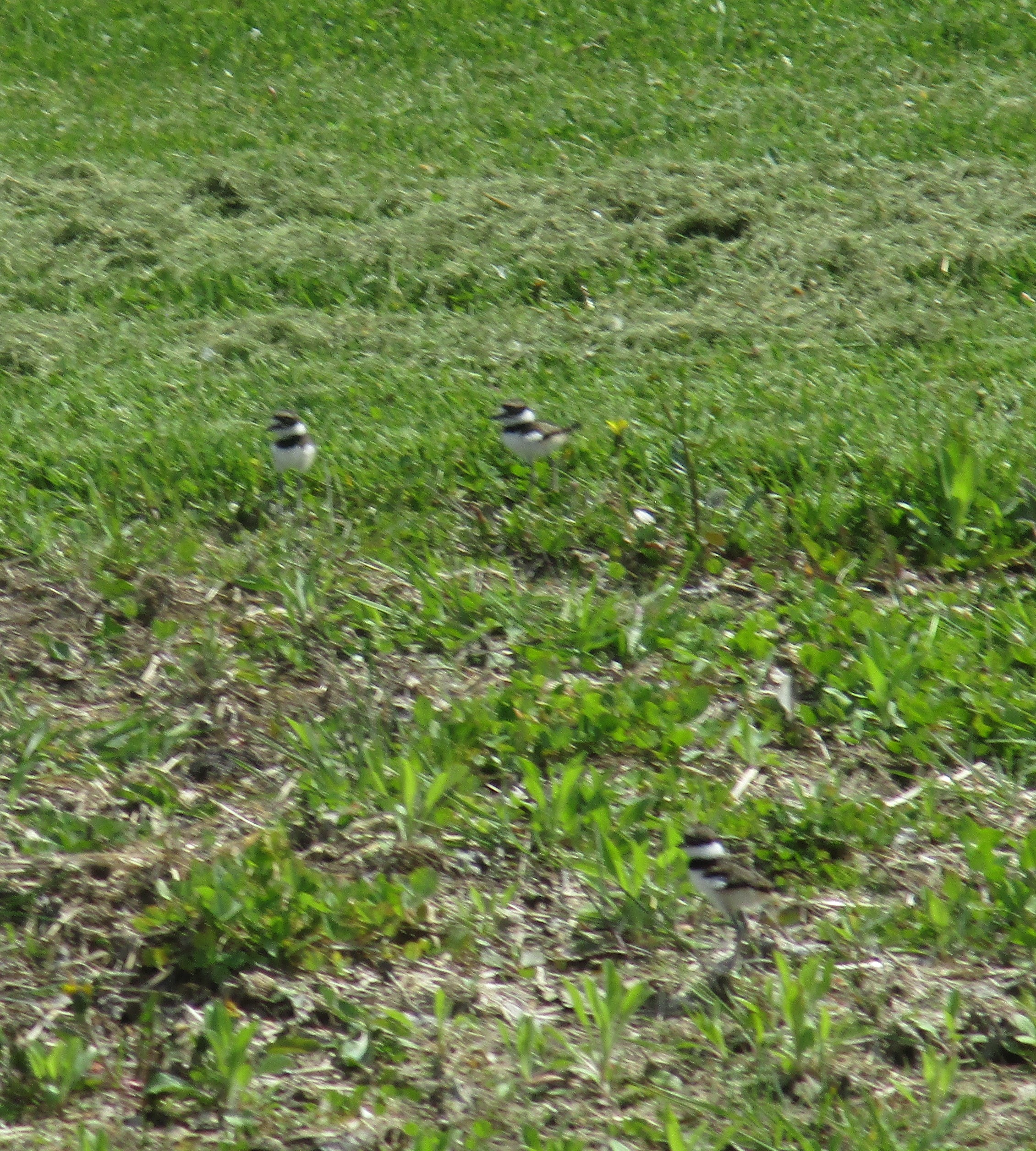
Three of the four baby killdeer.
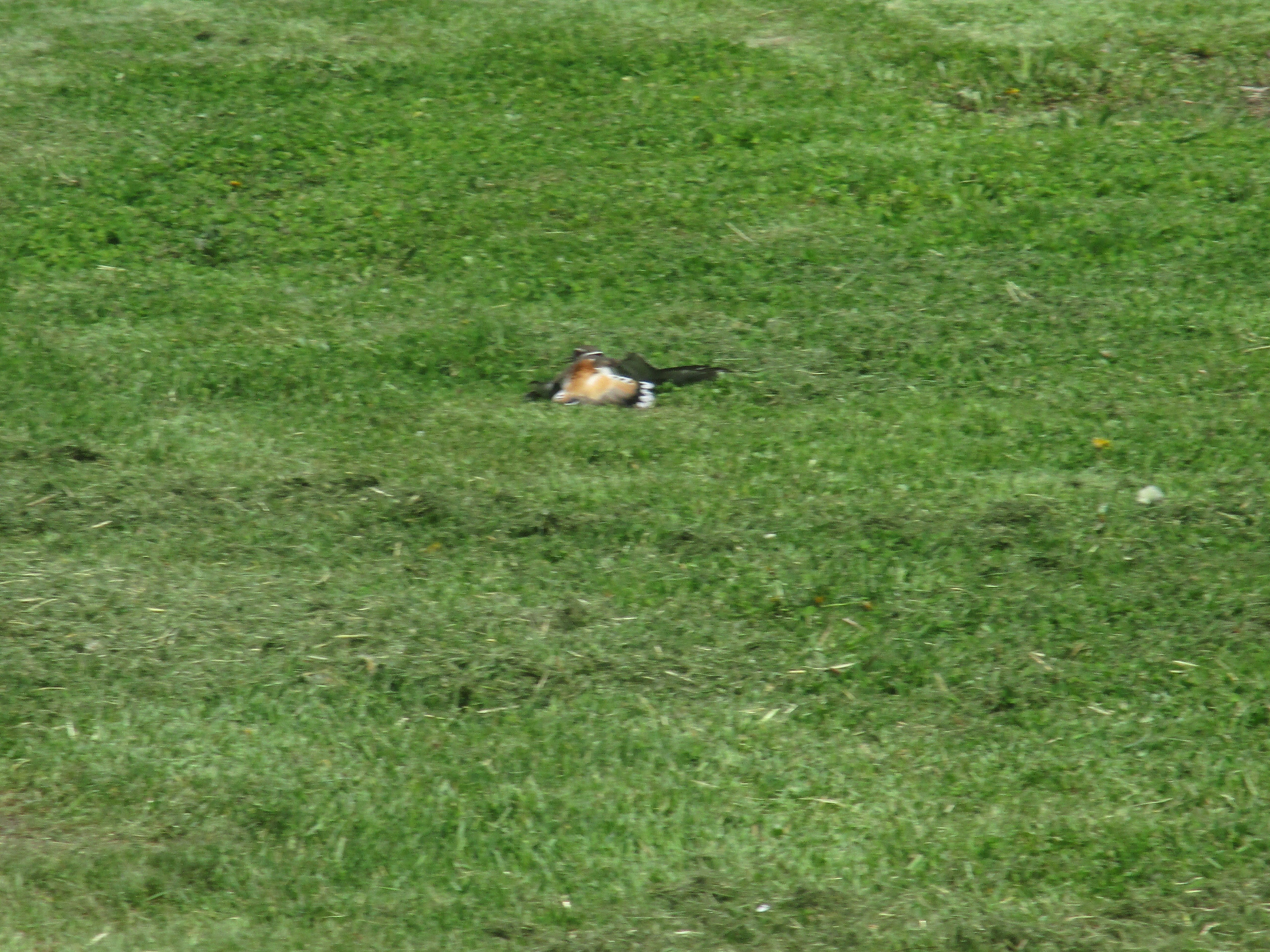
Adult killdeer doing the broken wing act, trying to lure me away from the babies.

On Wednesday, we discovered another brood of baby killdeer running around in the front of the property, with the busy parents trying to keep track of them. We have to be careful when driving in or out, as they spend a lot of time in the driveway and they tend to blend in making them difficult to see.
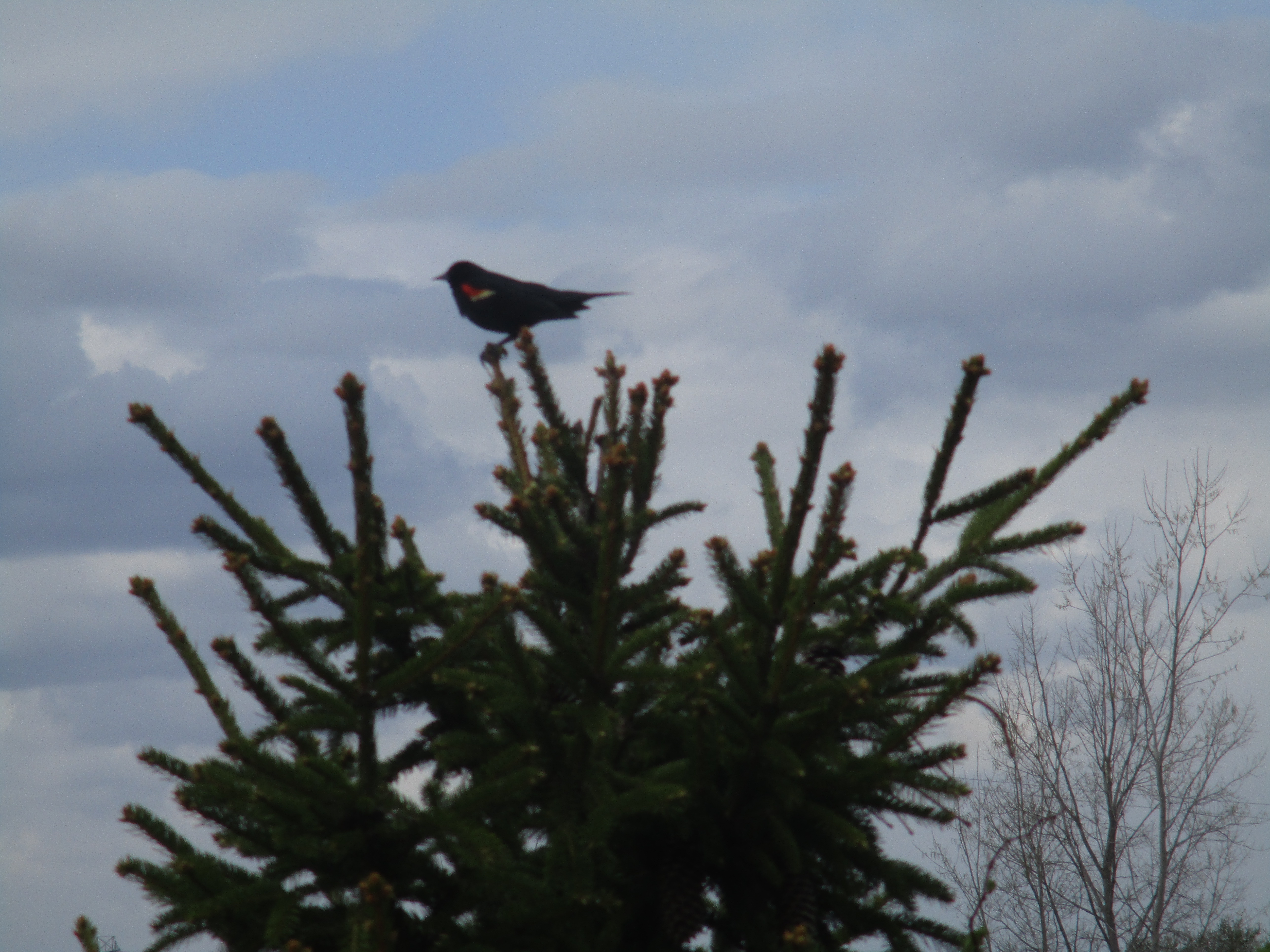
This red winged black bird posed for me as I was walking around the back field. I assumed there was a nest nearby but since I didn’t know much about their nesting habits, I did a little research and came across this article. It explains that the female builds a nest between 6 inches and 6 feet above water or ground, anchored to upright stems of cattails, shrubs or tall grasses.

According to the article “Red-winged blackbirds are polygynous, meaning a single male defends a territory that contains the nests of multiple females. In Washington state, males typically have harems of 3 to 8 females nesting simultaneously on their territory.” It also states, “Both males and females defend nests aggressively, but they play different roles. Males are the more physically aggressive sex: they dive at, and sometimes strike, predators and intruders that come too close. During these attacks, males produce a distinctive growl call that they use only when actively diving at a threat. Females, meanwhile, vocalize at higher rates than males when a predator is nearby. The female scream call is the most effective alarm in the colony, attracting more birds and triggering the highest rate of hovering behavior from defenders.”

I remember several years ago I was walking in the back field and Trooper, our leonberger, was a ways ahead of me, I saw a red winged black bird diving at Trooper’s back. Trooper never saw the bird because it was behind him and the bird never actually touched Trooper, but it was definitely not happy the Trooper was there.
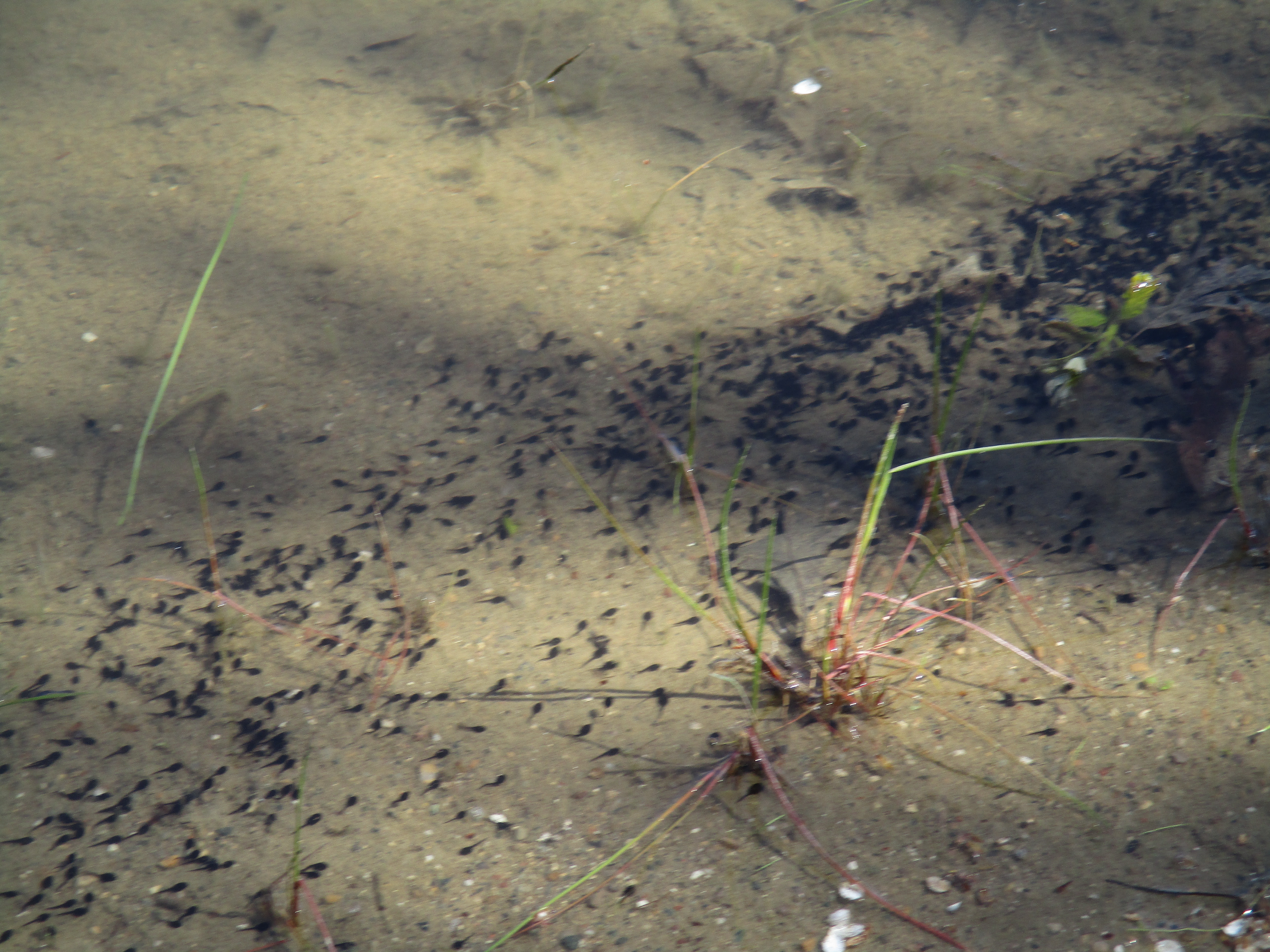
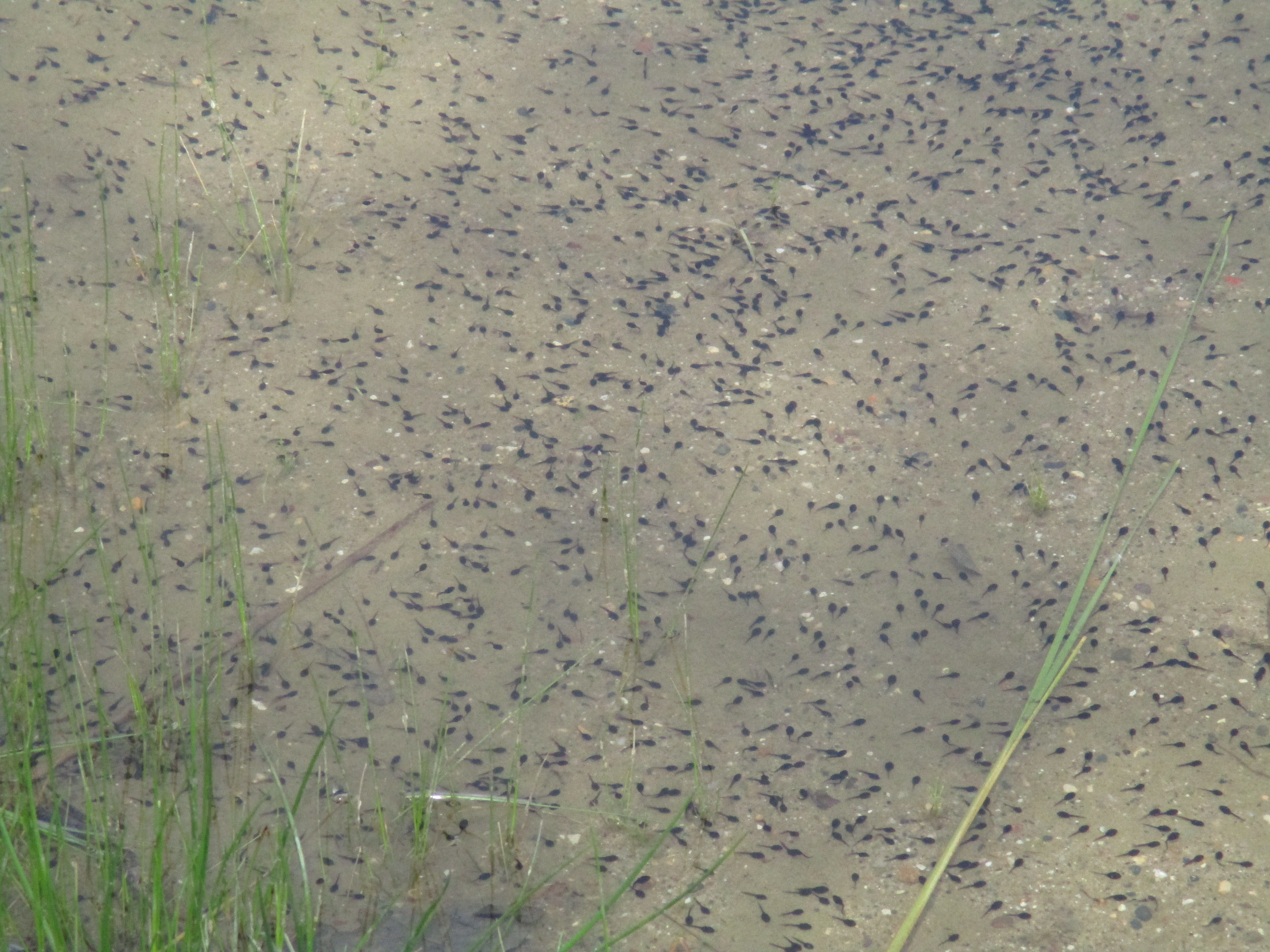
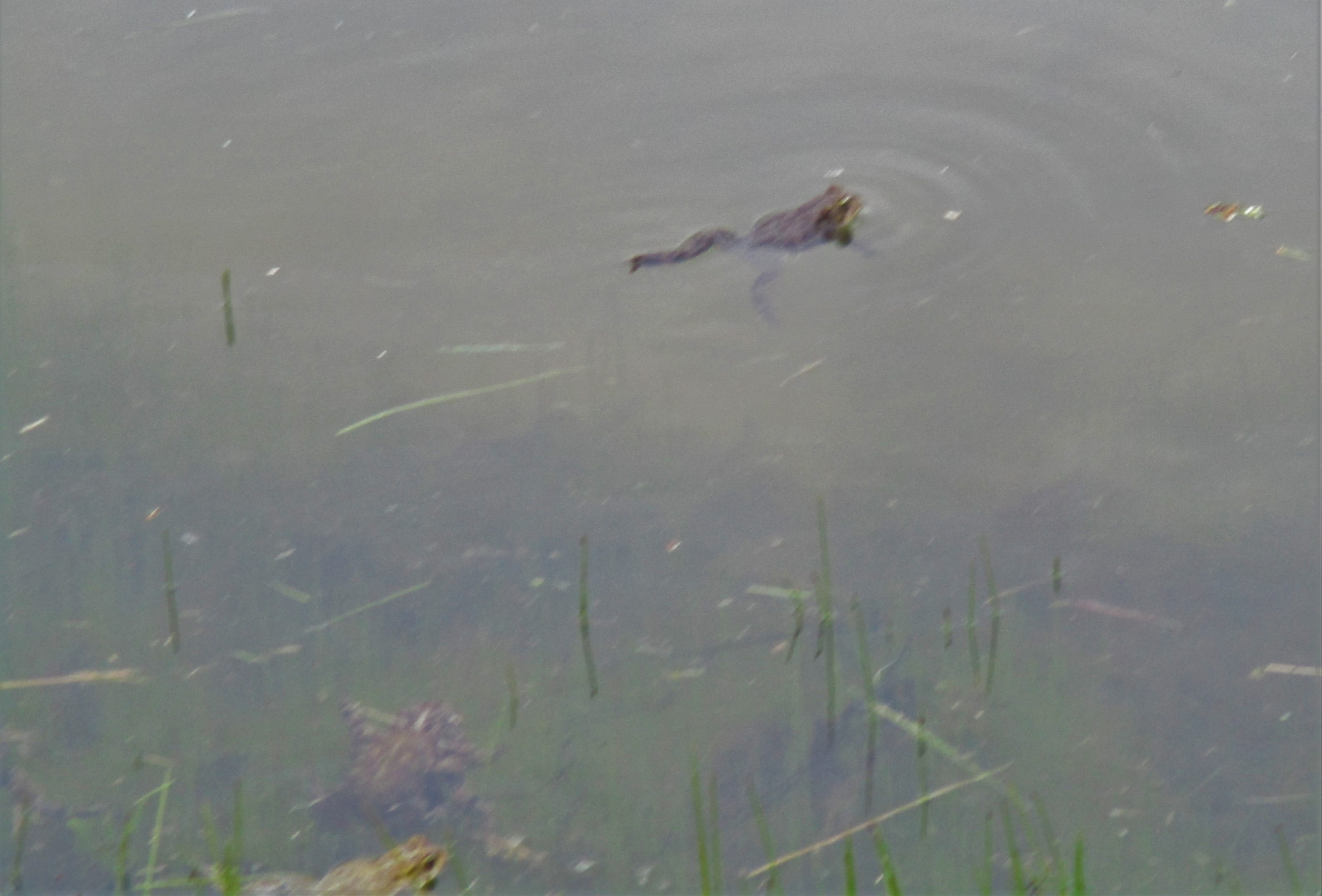
On Sunday we discovered, newly hatched, tadpoles in the pond. I had been watching for frog or toad eggs but never saw them. Obviously, they were there somewhere.
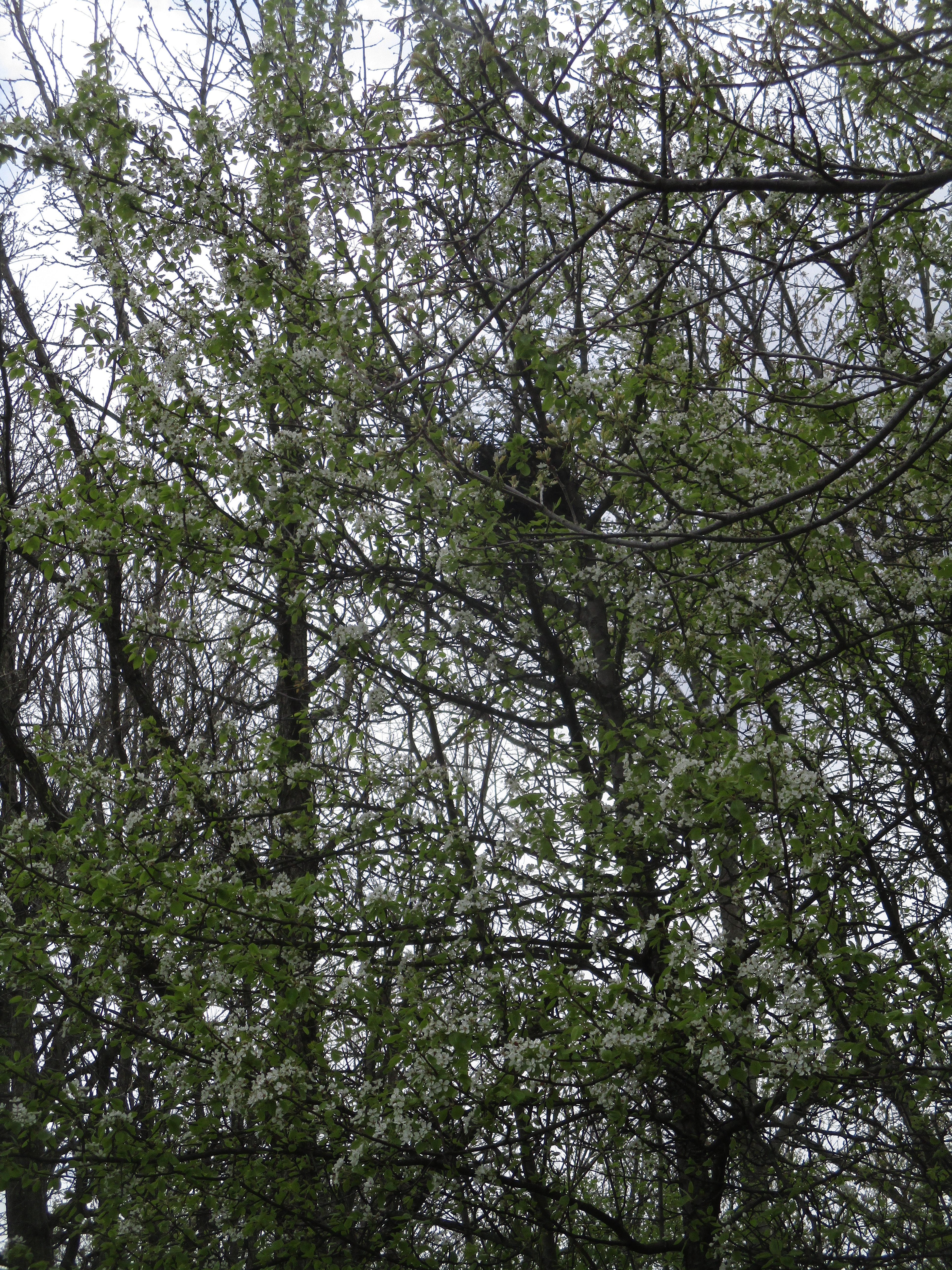
Before long we won’t be able to see this squirrel’s nest up in the pear tree.
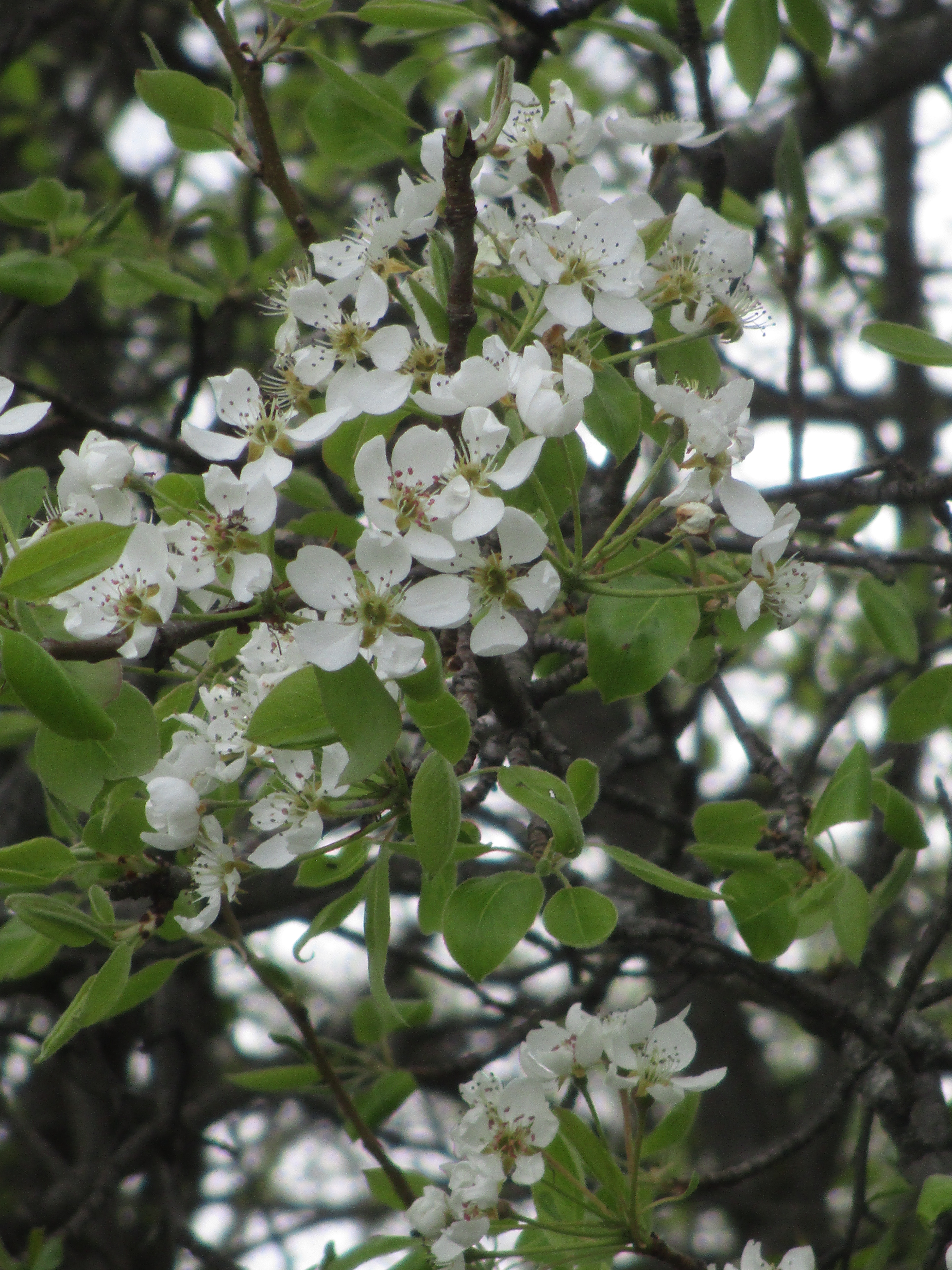
Pear blossoms.
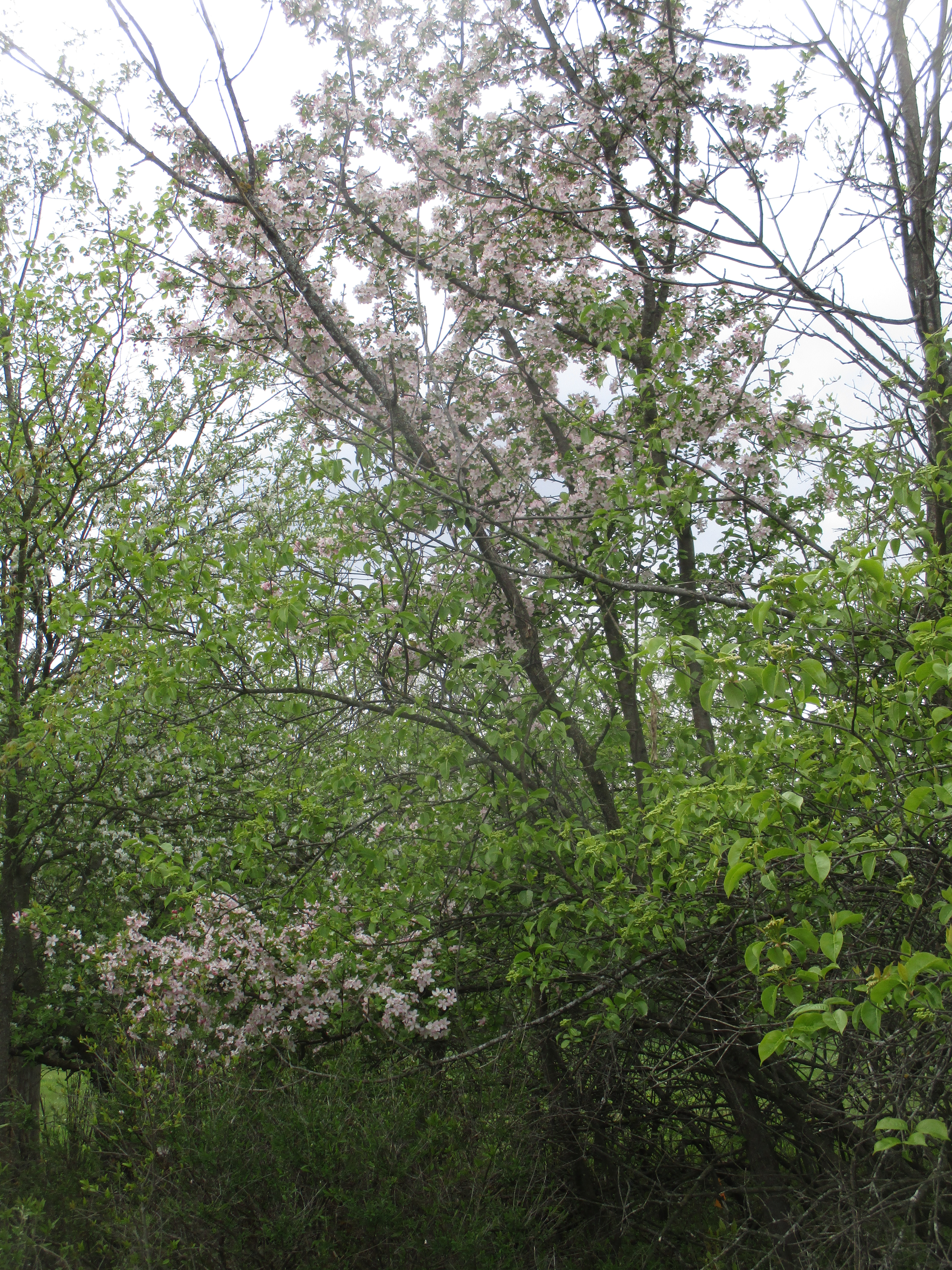
Apple trees blossoming in the wood line.

Remembering Our Moms
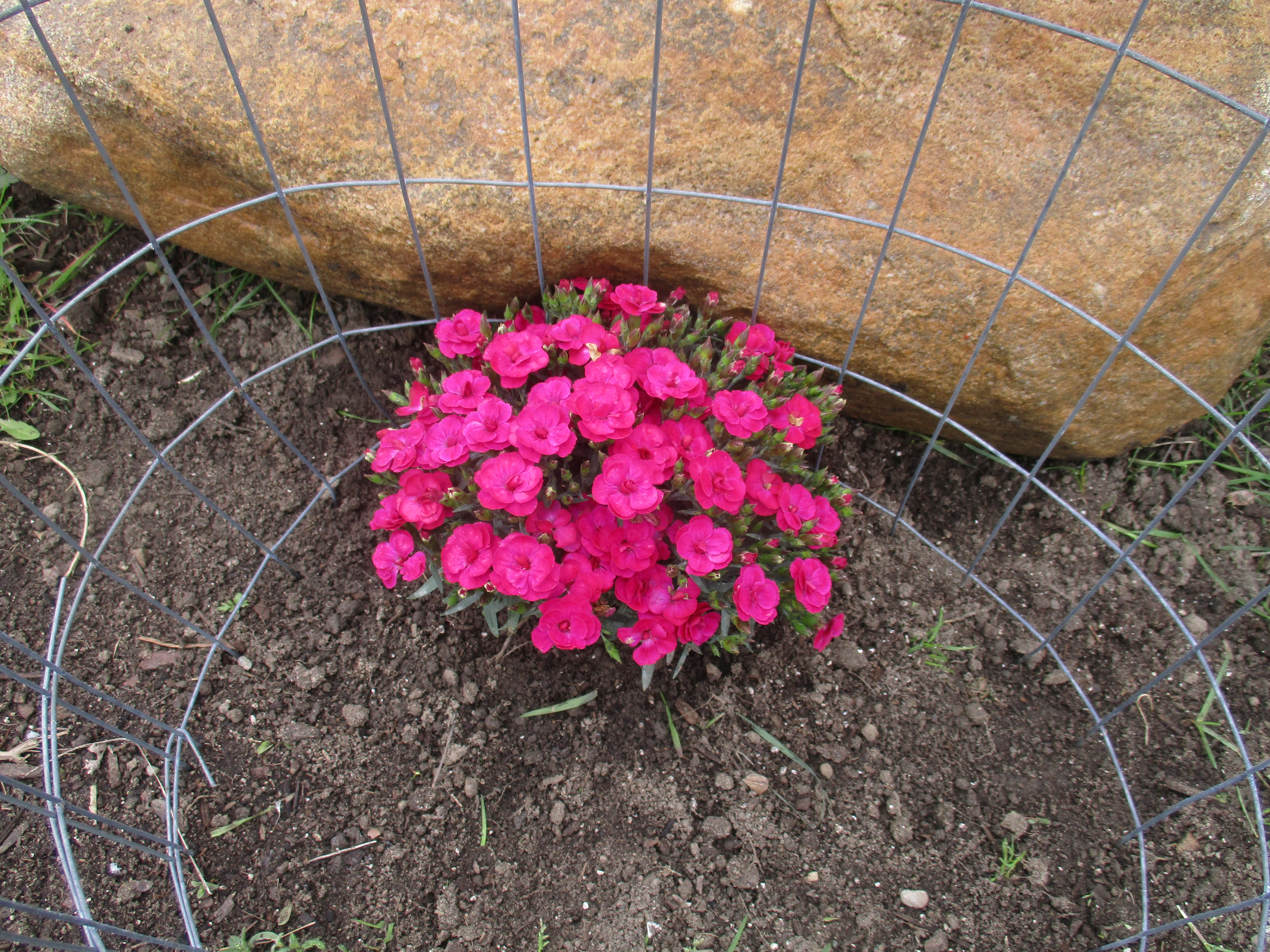
My husband picked out this beautiful dianthus to plant in memory of our moms.
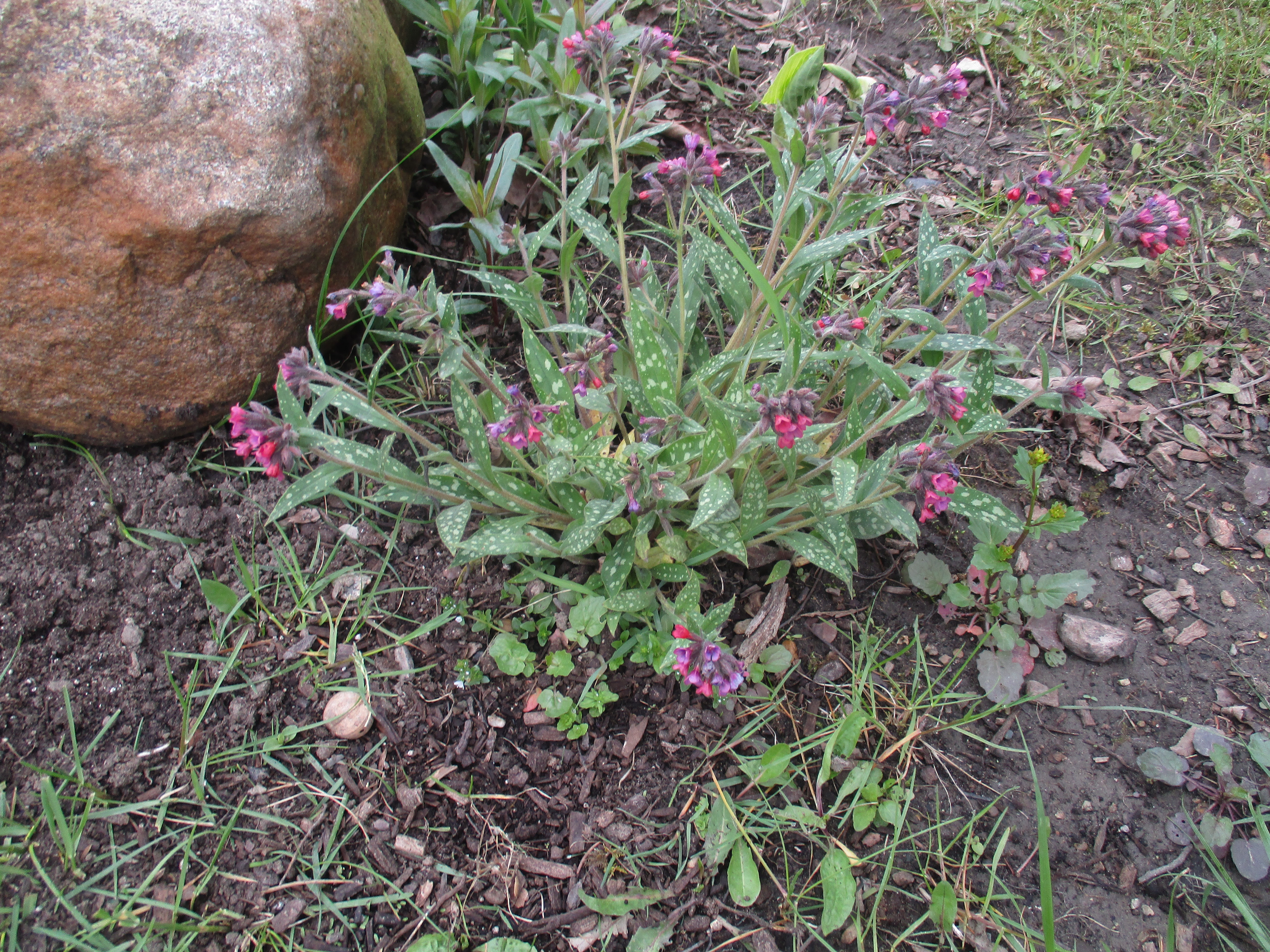
The lungwort is also blossoming.
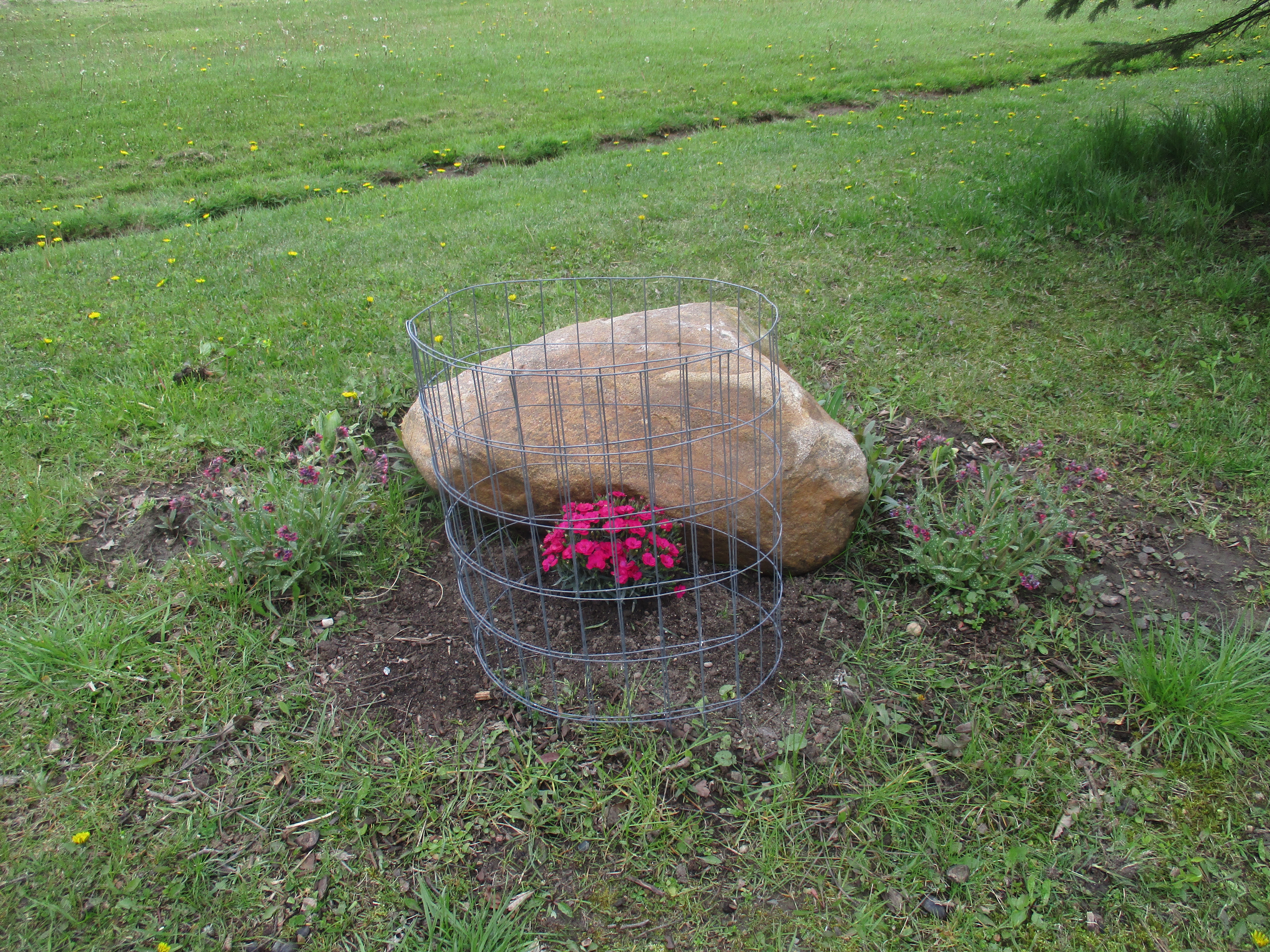
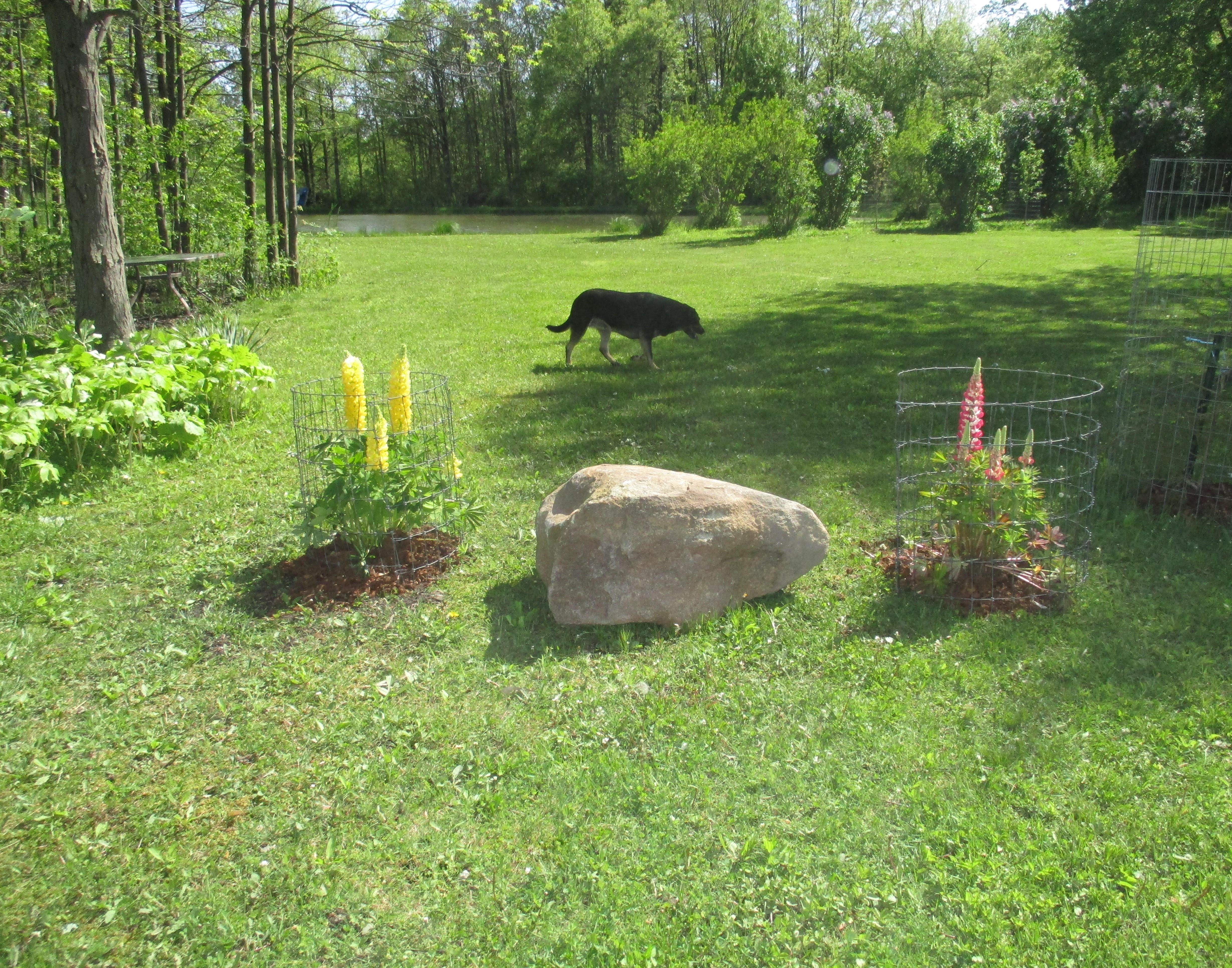
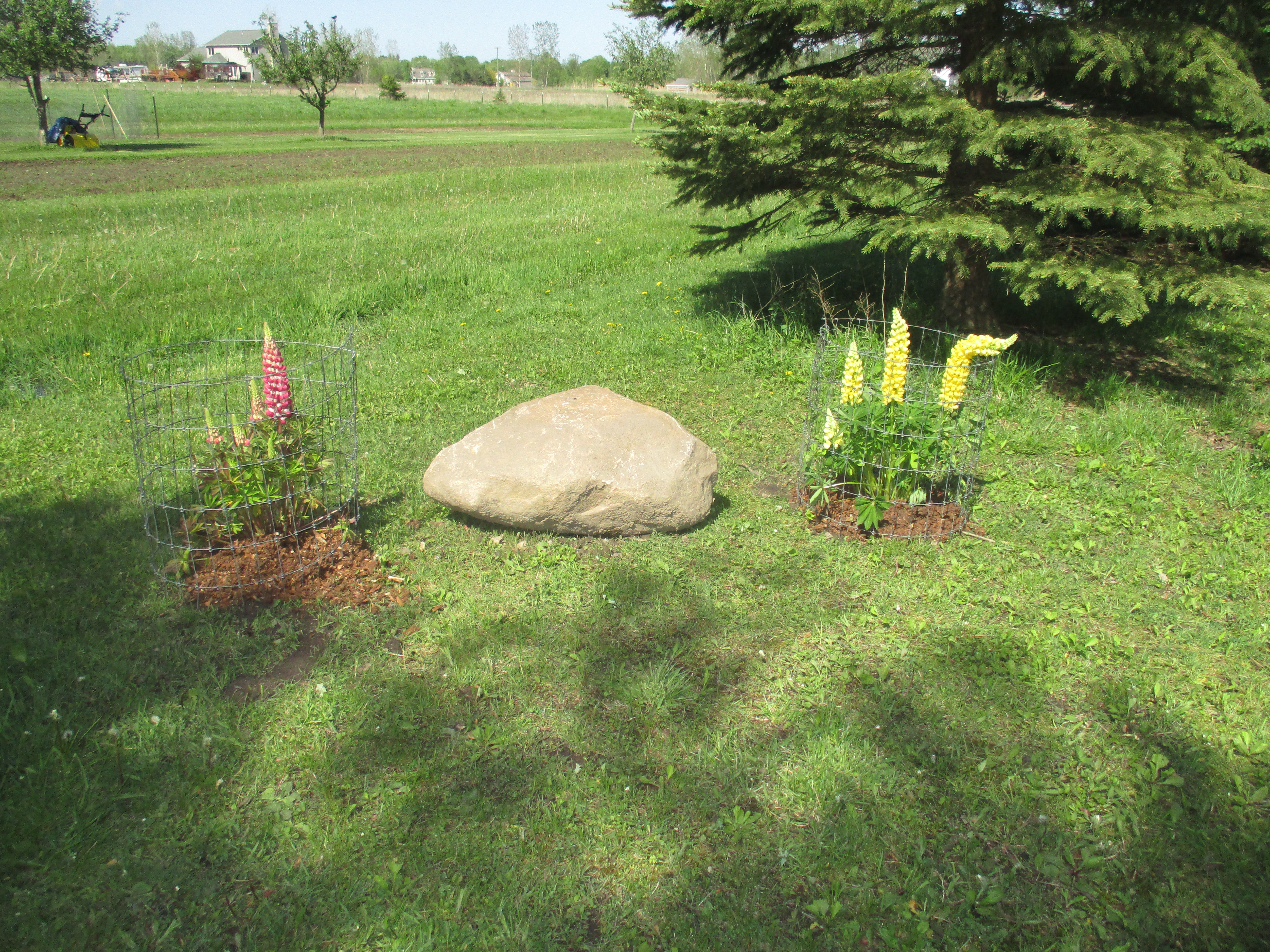
Behind the rock there are hosta plants and day lilies coming up as well.

Gardening
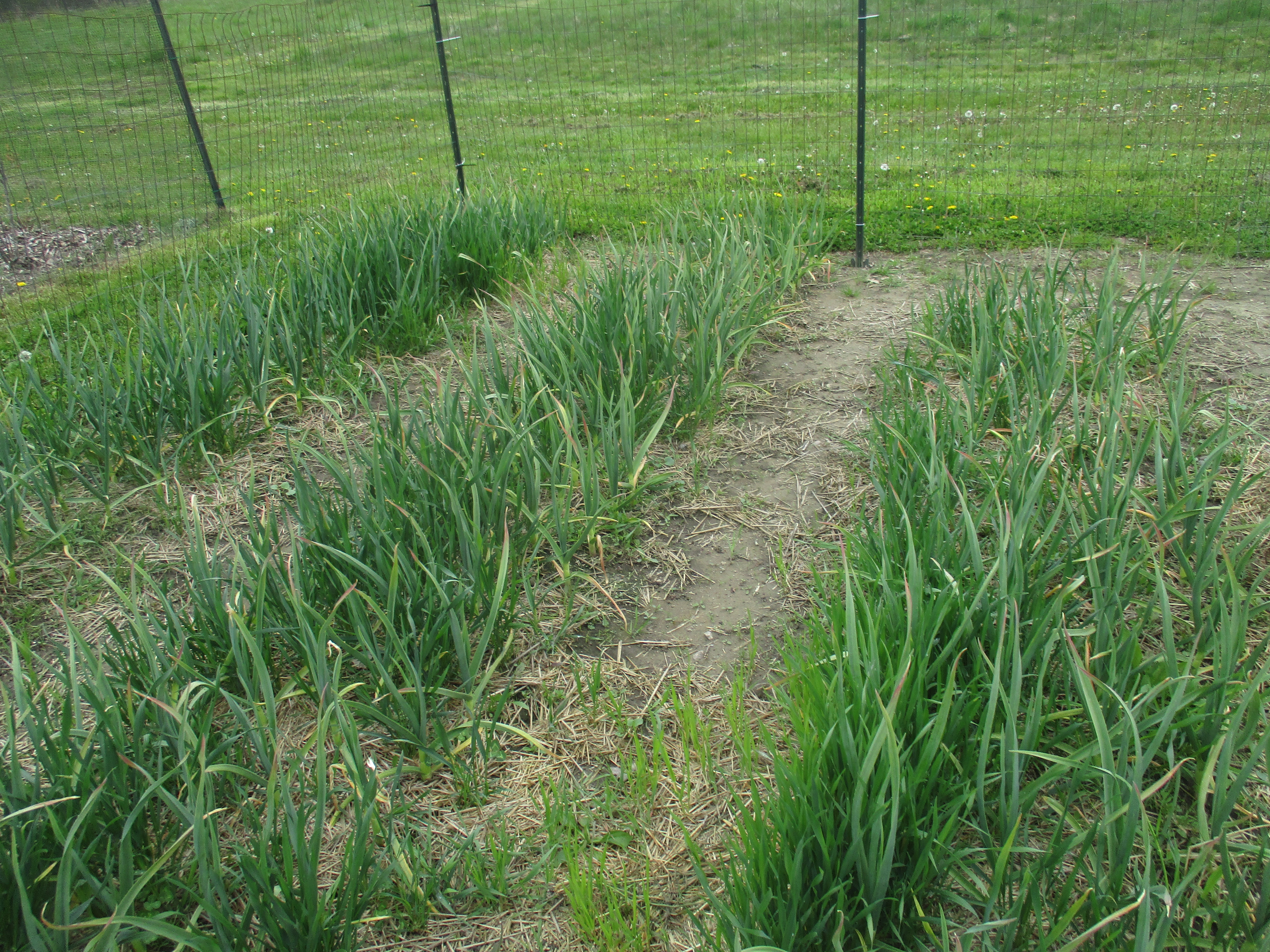
The garlic was being overrun with weeds.
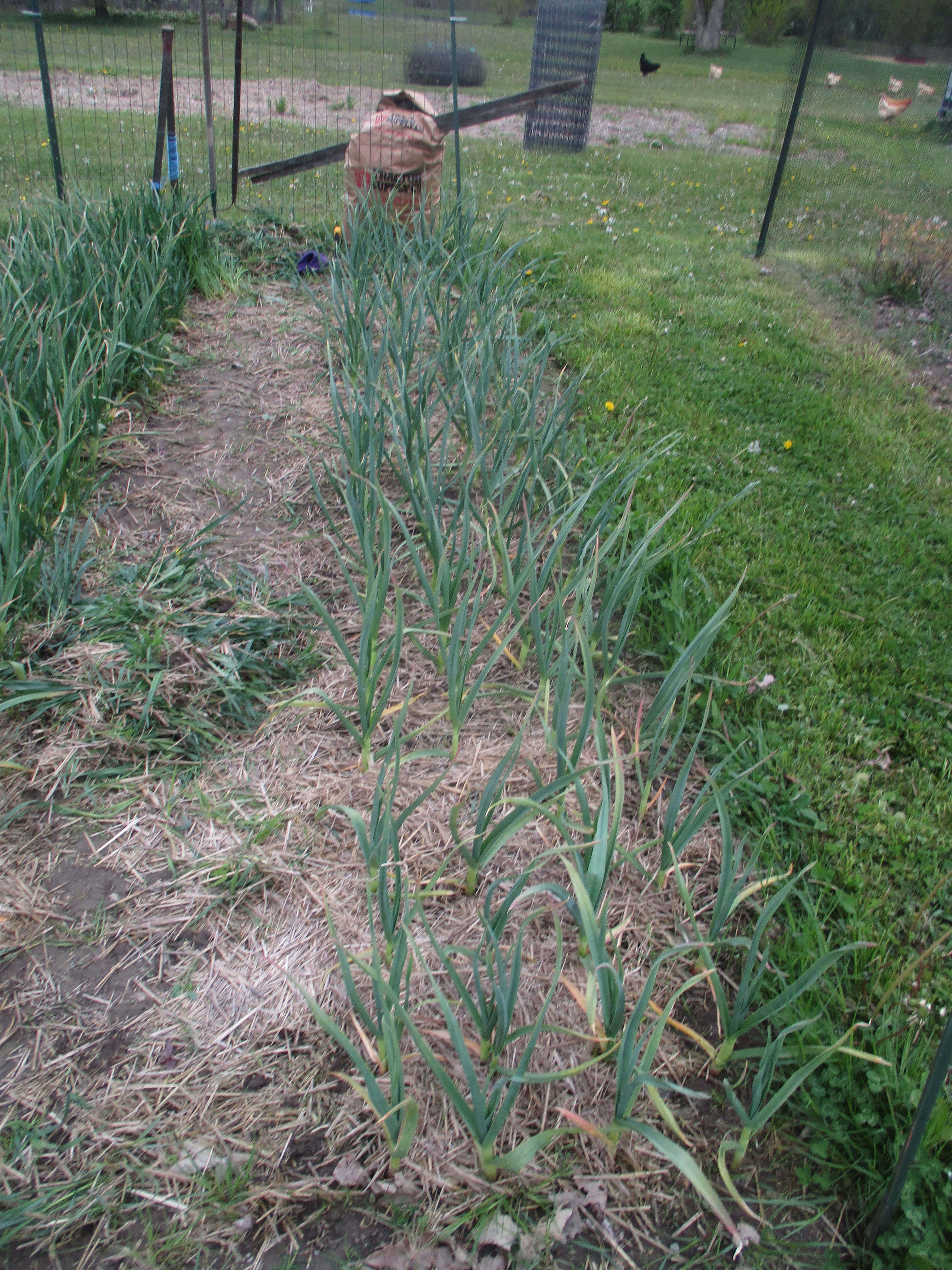
I got about half of it weeded Saturday morning.

I didn’t get any pictures of it, but on Friday we got our new strawberry bed planted – 3 different varieties – 75 plants total.

Chickens
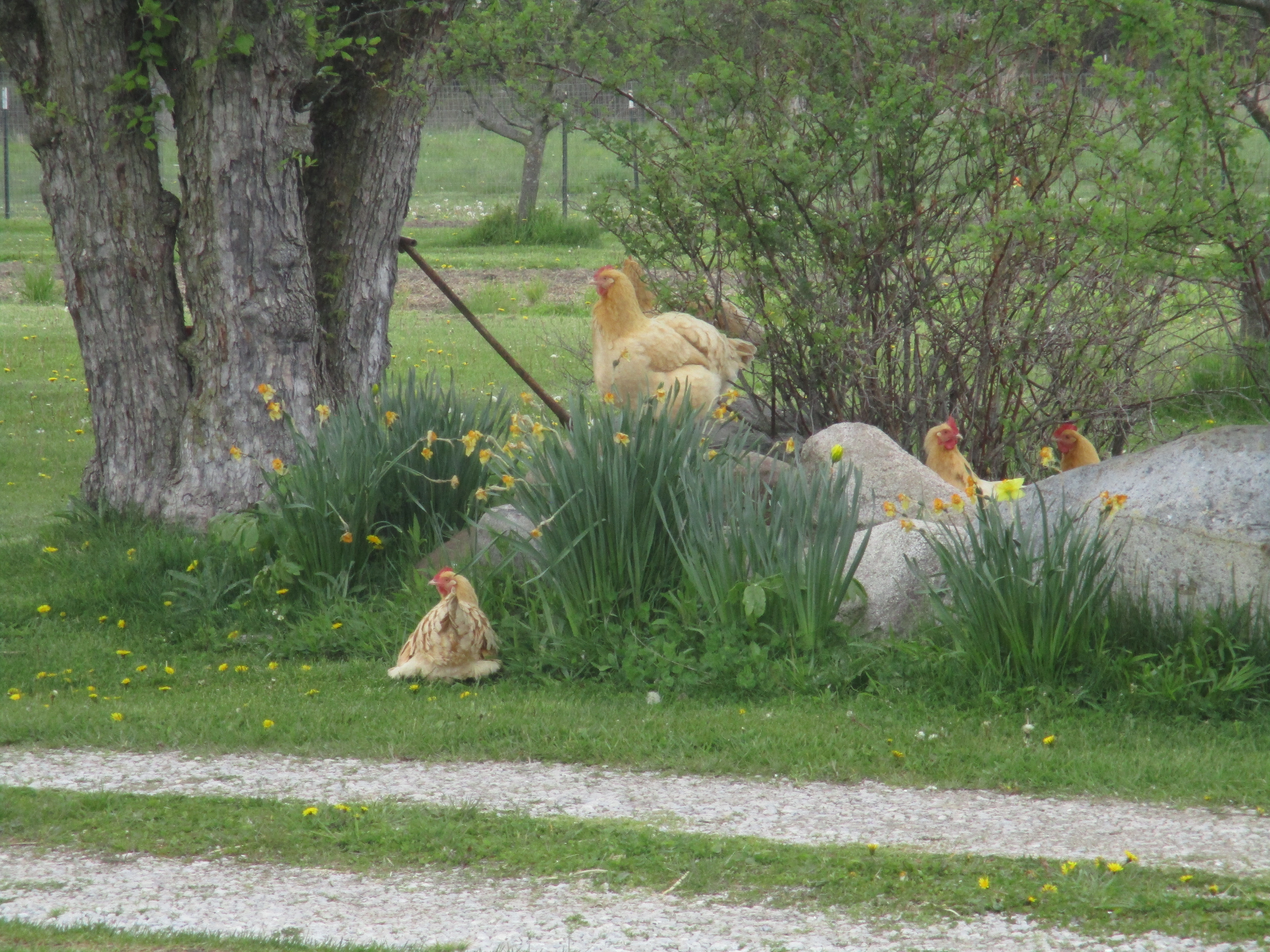
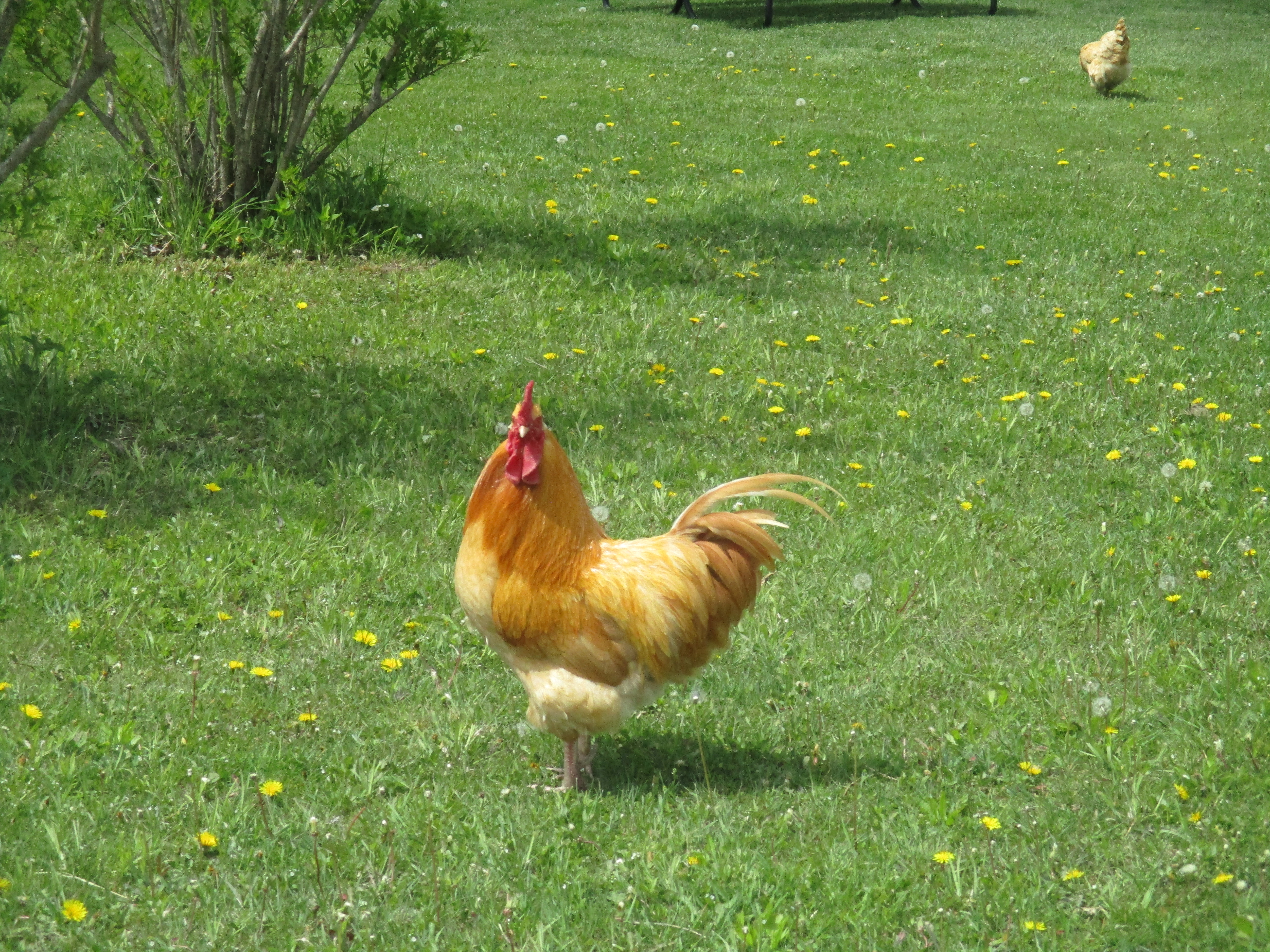
Just thought I would finish up with a shot of the girls enjoying their day.

Thanks for visiting.

From Eggs to Tadpoles

In April, when I published this post about toad mating day, one of my readers asked what a nest of toad eggs looks like. I was able to describe them and send a link of a website that had pictures, but I never saw any nests of toad eggs to get pictures of.

Two weekends ago, May 6th and 7th, what I thought were frogs were loudly and proudly singing their mating song.

I wandered the edge of the pond until I found the “party”.

It was a two-day event.

I took some pictures on Saturday and more on Sunday.

On Monday the frogs were quiet. I went to the area of the pond where the “party” had taken place and discovered eggs. It wasn’t until I did a little research on the internet that I realized that these are toad eggs. The difference being that frog eggs are laid in a large cluster while toad eggs are in strings like beads. What I thought were frogs were really toads.

They may be a bit difficult to see in the photos but the eggs look like black strings under the water.

Closer up they look like tiny black beads enclosed in a clear gel-like tube.

I couldn’t even begin to guess how many toads laid all these eggs or how many tadpoles would emerge from them. It’s my understanding that these eggs could take anywhere from 3 days to 2 weeks to hatch. It largely depends on the temperature of the water.

It was Friday, May 12, when they hatched.

These are probably the tiniest tadpoles I have ever seen. (Can you make out some of the tadpoles in the picture?) They were making their way to the beach area where the water is shallow and thus warmer.

It will now be two to three months before these little wigglers grow legs and lose their tales. That is when they will leave the pond and spend most of their lives on land.

Thanks for visiting.

Frogs on the Farm

“Frogs on the Farm” was originally written and published on March 30, 2017, a time when I had very few readers. I have decided to share it again today because for various reasons I haven’t got my usual “Spring is Springing” post ready. Be assured that spring is here: the birds have returned from their winter homes, the trees are beginning to bud, the daffodils, iris’s, lily’s and even the garlic are emerging from underground and the frogs are singing. More on that soon. 🙂

Original Post published March 30, 2017

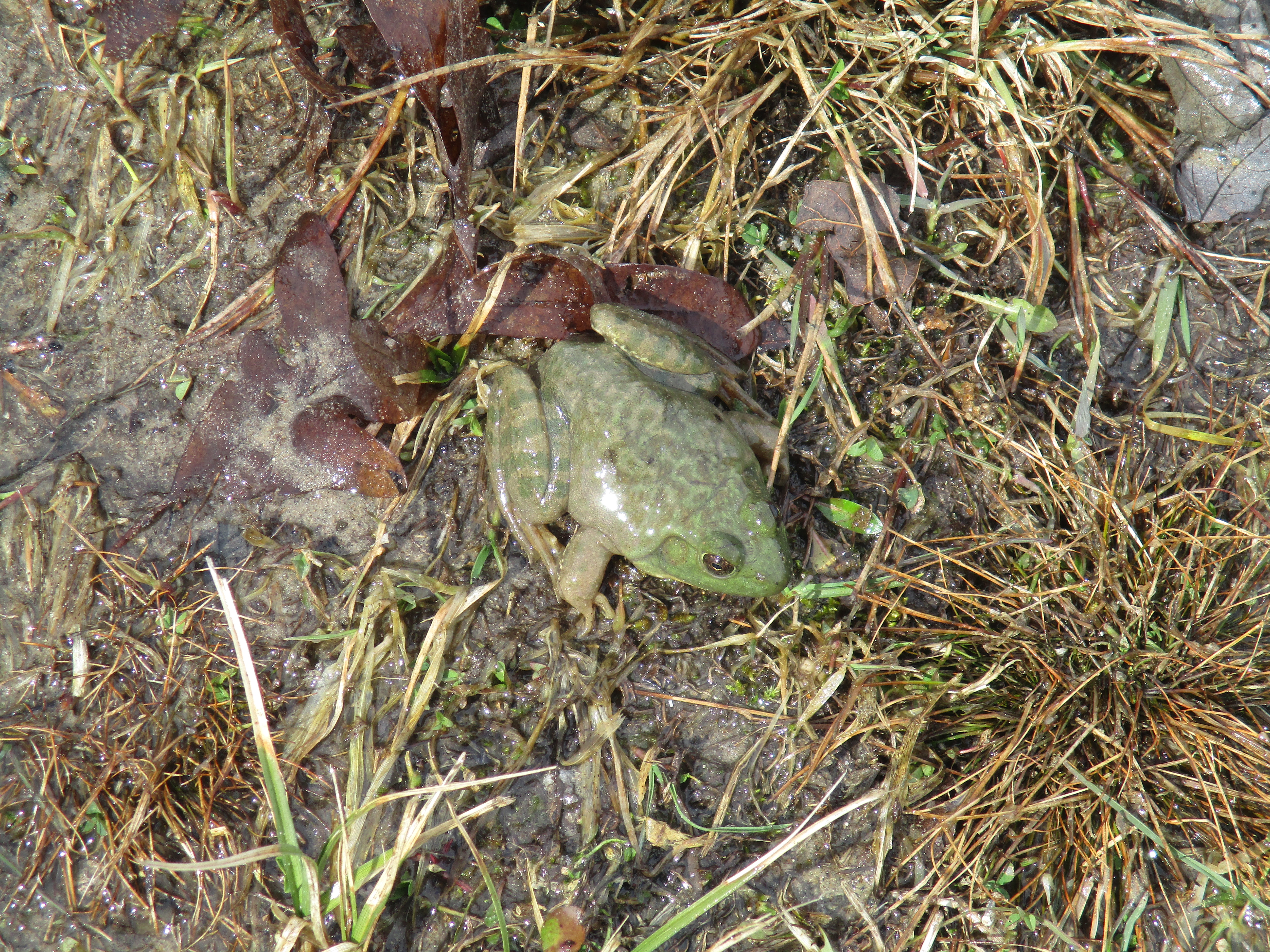
Last week on one of our sap cooking days, in addition to helping keep the fire going, I took on the secondary chore of raking the leaves out of the pond. As I came up with one rake full of leaves and shook them into the pile just beyond the beach, this frog hopped out of the leaves.

IMG_2362

I felt kind of guilty about awakening him or her, because I was yet to see or hear any frogs this spring. It did however spend a good deal of time sunning itself on the beach. It wasn’t until one of the chickens came running up behind it that it took a three foot leap back into the safety of the pond.

It was two days later that we heard the frogs for the first time this year. I remember my mom telling me, that her mom had told her, that after you hear frogs for the first time in the spring you will have three more freezes. Although I’m always excited to hear the frogs in the spring, I haven’t really tested this theory.

Frogs and toads lived on our farm before we put in the pond. I remember the first spring there were tadpoles that had hatched in a puddle of water and my husband was dumping buckets of water in the puddle to keep it from drying up before the tadpoles reached their adolescent stage of life.

Our property does provide the perfect habitat for frogs and toads. The pond offers conditions needed for frogs to lay eggs, for the eggs to hatch into tadpoles and for the tadpoles to live until they grow legs and their lungs develop so they can leave the water. This can take over a year for bull frogs. Even mature frogs, who can live out of water, continue to need a wet area to keep their skin from drying out. Not only does our farm have the pond but we have wooded areas where the ground is covered with dead leaves that keep the ground moist even in the hot and dry summer conditions.

According to the Michigan Department of Natural Resources article that I have linked below of the more than 3400 species of frogs/toads only 13 live in Michigan. I am certain we have at least 4 species that populate our farm.

Frogs and toads are wonderful for pest control. The aforementioned article relates that a single frog will consume thousands of insects per year. Last year we discovered that we were reaping the benefits of this. As we picked our bountiful harvest of strawberries  https://donteatitsoap.com/2016/06/30/strawberries-at-last/ last June my husband and I spoke several times about the fact that we did not have any slugs eating the berries. This is a problem the we have had with strawberries we have grown at the house in the past. It wasn’t until my husband told me that he had been surprised by a frog hiding in the strawberry patch, while he was picking berries, that I realized that this frog was probably enjoying a regular diet of slugs and any other pests that threatened to consume our strawberry crop. I am hopeful that a frog will take up residence in the strawberry patch again this year.

Frogs are a good indicator of the health of wetlands, ponds, lakes and such as they do not survive in polluted areas. The Michigan DNR article that I have linked below explains that chemical fertilizers and pesticides are a threat to frog populations; not only can the chemicals kills frogs and toads, but the pesticides also reduce their food supply.

http://www.michigan.gov/dnr/0,4570,7-153-10370_12145_12201-35089–,00.html

The frogs on our farm are also entertaining. In the summer time when we walk around the edge of the pond the frogs jump into the pond one right after the next. It’s kind of funny because there may be 50-100 frogs sitting around the outer edge of the pond. The dogs like to chase the frogs but rarely are they able to catch them. Last year Scout spent hours in the evenings looking for frogs along the edge of the pond, he enjoyed the search immensely even though he never caught any. After dark we are often treated to a campfire symphony, in surround sound I might add, as the several different species of frogs sing from different areas of the farm.

While not everyone has the luxury of being able to put a pond on their property I have included the following link for those who may be interested in creating a frog habitat. I would encourage you to read through the end of the article, as it does explain that the best way to introduce frogs to this habitat is to let them come to it naturally and this may take a year or more. It also explains that not all parts of the U.S. are favorable for creating frog habitats.

https://www.nwf.org/News-and-Magazines/National-Wildlife/Gardening/Archives/2000/Want-to-Host-a-Garden-Party-for-Frogs.aspx

Sights of Spring

This is the day the Lord has made…

I didn’t make it out to the farm until yesterday afternoon. As I walked past the prayer garden I and looked for the killdeer eggs this is what I saw.

IMG_2557

“They weren’t hatched this morning” my husband said.

IMG_2558

Both parents were near by screeching and doing the broken wing act to try to get us out of the area. I expect the babies will be running all around the area soon. I am happy that I can weed that side of the prayer garden now.

My husband’s main task for the day was cleaning frames from the bee hives. He first lets the bees do their part. He sets out the frames that still have honey and wax and lets the bees take what they want. Once they stop visiting a frame he finishes cleaning it before putting it back in a hive.

IMG_2580

As I walked around the farm I observed bees foraging amongst the apple blossoms. I made many attempts at photographing them. They were too busy to pose for a picture, so this was the best I got.

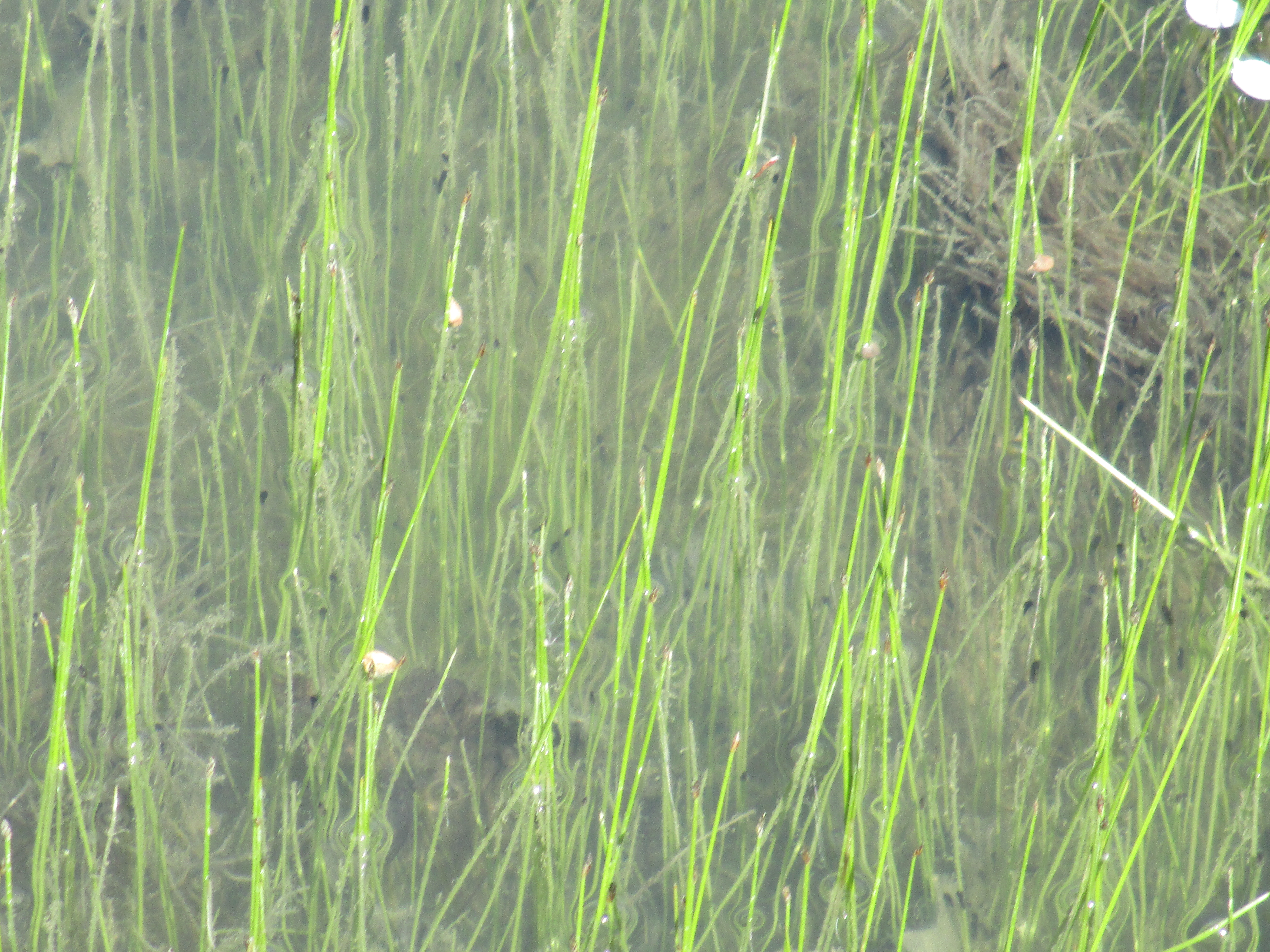
IMG_2573The bees were also collecting a lot of dandelion pollen. This lady stopped for a few seconds, so I was able to get a clear shot before she moved on.

IMG_2575

Last week we observed something that neither my husband, who has spent much of his life around ponds, creeks, rivers and lakes, or I have ever witnessed before. The toads had all made their way to this shallow grassy area of our pond and were mating there.

IMG_2520

There were too many to count and as we stood there watching more toads were arriving for the party.

IMG_2584

Yesterday as I walked by that area of the pond I noticed tiny black tadpoles apparently just hatching.

IMG_2587

We also spotted minnows swimming in the beach area.

For the past two years only one of our young lilac bushes has blossomed. When I mentioned this to my son-in-law last summer he suggested that I spread wood ash around them. Last fall I did spread wood ash around all of the lilac bushes and some of our apple trees as well.

IMG_2569

This year 10 of our 15 lilac bushes have blossoms.

Our apple trees also have more blossoms than they ever have before.

IMG_2577

Several years ago around just before Mother’s day my husband and I planted some trilliums in a wooded area of our farm. These were one of my mom’s favorite wild flowers, and we planted them as a tribute to mom who passed away the same year we bought our farm.

IMG_2560

Mom’s trilliums are beginning to bloom, appropriately, in time for Mother’s day.

Visitors are another common sight at the farm during the warm weather seasons, and it was good to have our first visitors of spring.

IMG_2590

Two of our daughters, Kara and Lindell, stopped by for a visit yesterday afternoon. They were dancing as they came up the driveway since my husband had a classic rock station playing on the radio.

Let us rejoice and be glad in it. Psalm 118:24