We started our bee keeping ventures in 2013 and to date it has been the most frustrating farming activity we do. Hive losses are heartbreaking and we have had many. Probably our worst experience was when the bees we ordered did not even make it to our farm alive. You can read about that here. If you read that article you may understand when I say that bee keeping is also one of the most thrilling and rewarding activities that we do. Capturing swarms, observing the bees while they forage and pollenate our crops, harvesting honey and wax all make this so.
As with everything we do our bee keeping efforts are done on a small scale. We often use the word boutique to describe our farm. Since we started bee keeping we have maintained at least one hive and at times had as many as seven hives. Each year we have harvested honey and for the last 4 or so years we have harvested and processed our own wax as well. If you are interested in learning how I filter bees wax you can read about that here.
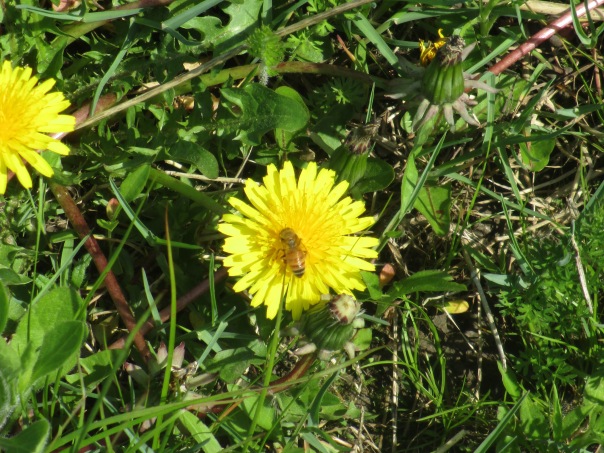
Beekeeping has given me a whole new understanding and appreciation of honey. Most of my life I have used store bought honey and never thought much about it. The color and flavor were pretty consistent. Honey was just honey. It wasn’t until we started harvesting our own honey that I realized that honey is not just honey. In fact we have yet to have any two honey harvests where the honey tasted the same.
When people find out that we are beekeepers they often have many questions. Below are some of the points I make when talking about bees and honey.
- Each honey harvest is (should be) a wonderfully, unique blend of nectars and pollen from various plants that have been in season.
- The color and flavor of honey should vary between harvests.
- Mono cropping, the practice of moving bee hives to a particular location where a specific crop is in blossom in order for the bees to pollinate that crop, may be detrimental to bee health. (how well would you fare if you only ate one food for the majority of your life?)
- Feeding bees sugar syrup is probably not good for the bees.
- Local honey may or may not be effective as a treatment for allergies depending on what the bees were foraging to make their honey.
- In the U.S. honey suppliers are required to put their address on the honey label. Buying honey that has a local address does not necessarily mean you are buying honey that was produced locally.
- Raw honey is honey that has not been heated above 110 degrees Fahrenheit.
- Honey can be stored at room temperature and has an indefinite shelf life.
- Honey might crystalize but it is still good.
- Honey that has crystalized can be turned into liquid again by slowly heating the jar in a pan of water. Do not microwave!
- Because the honey may crystalize and you may want to heat it to make it liquid again do not buy honey in plastic bottles.
Do you have any questions or thoughts about honey bees or honey? Leave me a comment and I will be sure to get back to you.
Thanks for reading and have a great day! 🙂





 Don't Eat It! Soap and Skin Care