Category Archives: garden

Early Summer Garden Tour

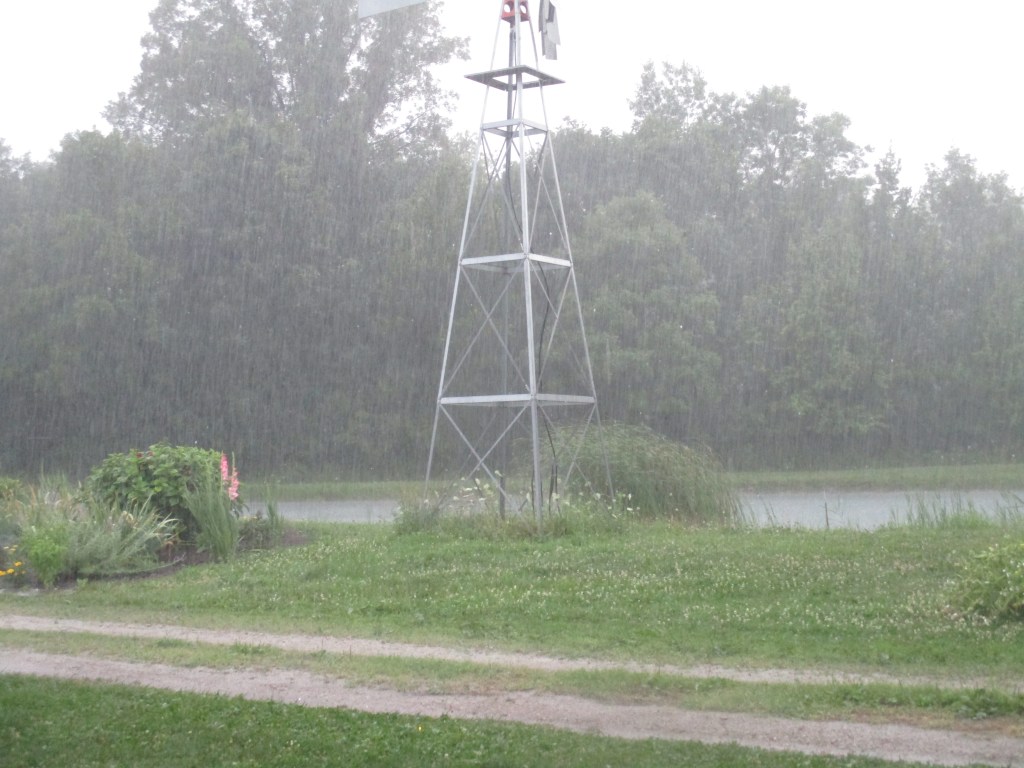
Well summer arrived this week – incognito it seems. It came disguised as spring of all things. It showed up as the rain storms that were absent throughout April and May. They dumped over two inches of rain on us in about 12 hours Sunday and Monday. It also brought cooler temperatures that dipped down into the 40’s in the overnight hours.

The rains returned today and it seems as though we have gotten at least two more inches. If there is any accuracy in the forecast for the next 10 days our drought problems should be over since there are some chances of rain everyday over the next 10.

For some crops. such as our strawberries and blueberries, it’s too late to make a difference but other crops should be served well by the rain.

Shall we take a look around?

The apple trees have some apples, not a bumper crop, (we had several days of frost while the apple trees were blossoming) but hopefully enough for a pie or two.
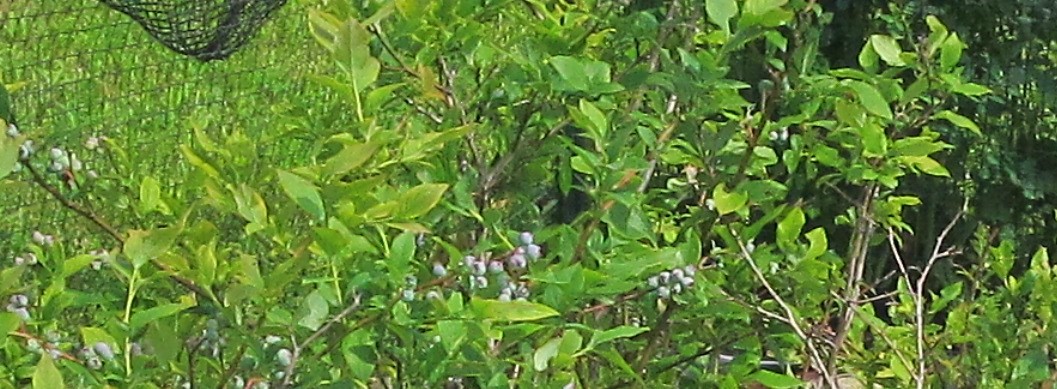
The blueberries are beginning to ripen. Again this won’t be a bumper crop. I suspect these were impacted by both frost and drought but we are grateful for what we get.

In garden 3, which now has become the puppy playground, these cabbage and onions were some of the first vegetables to be planted. They are doing well.

Also in garden 3 the potatoes (above) were also planted early. They have blossoms.

We also have a row of potatoes in the main garden (above). These were the first to be planted and despite being hit by frost on several days they have flourished.
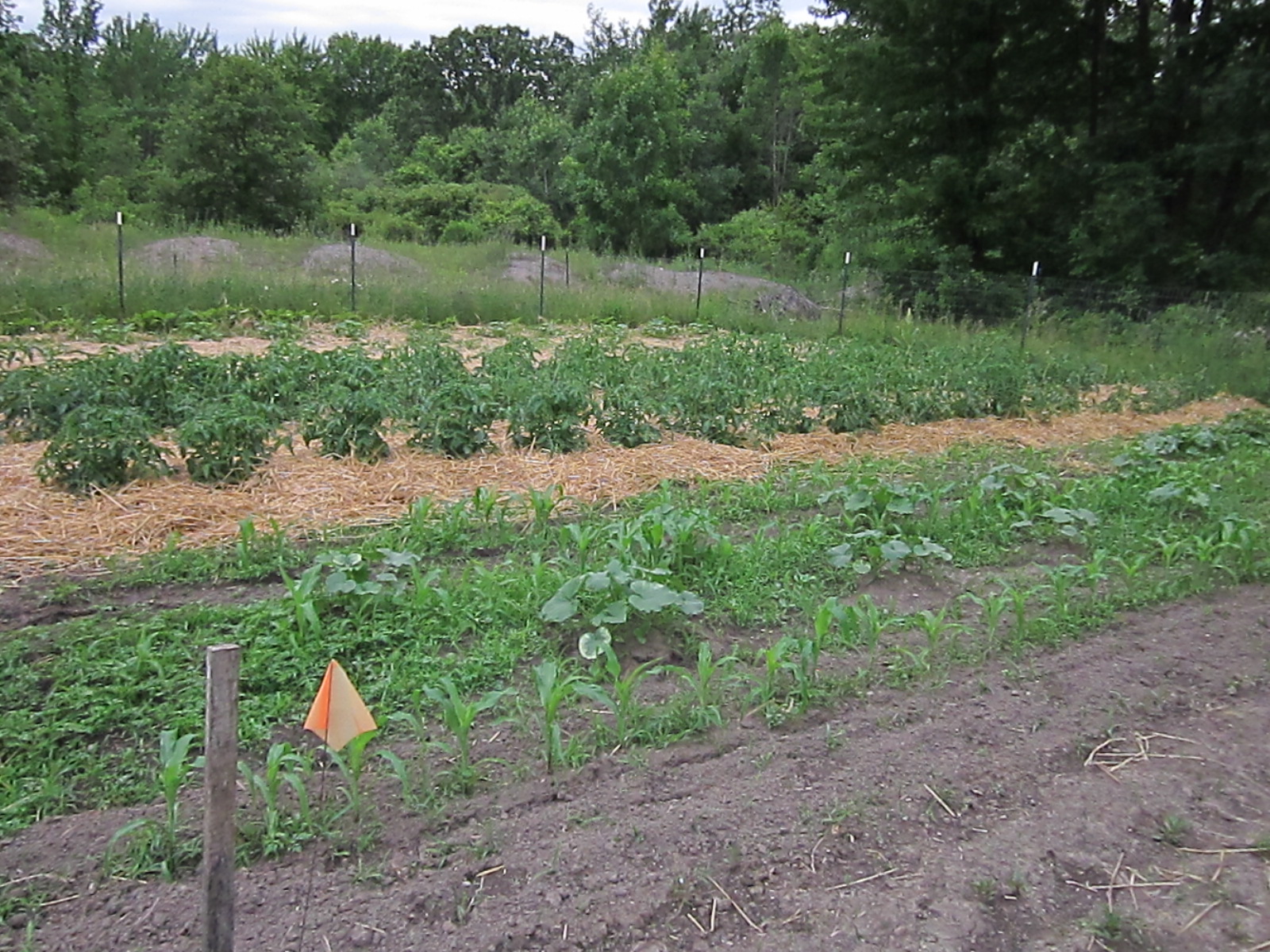
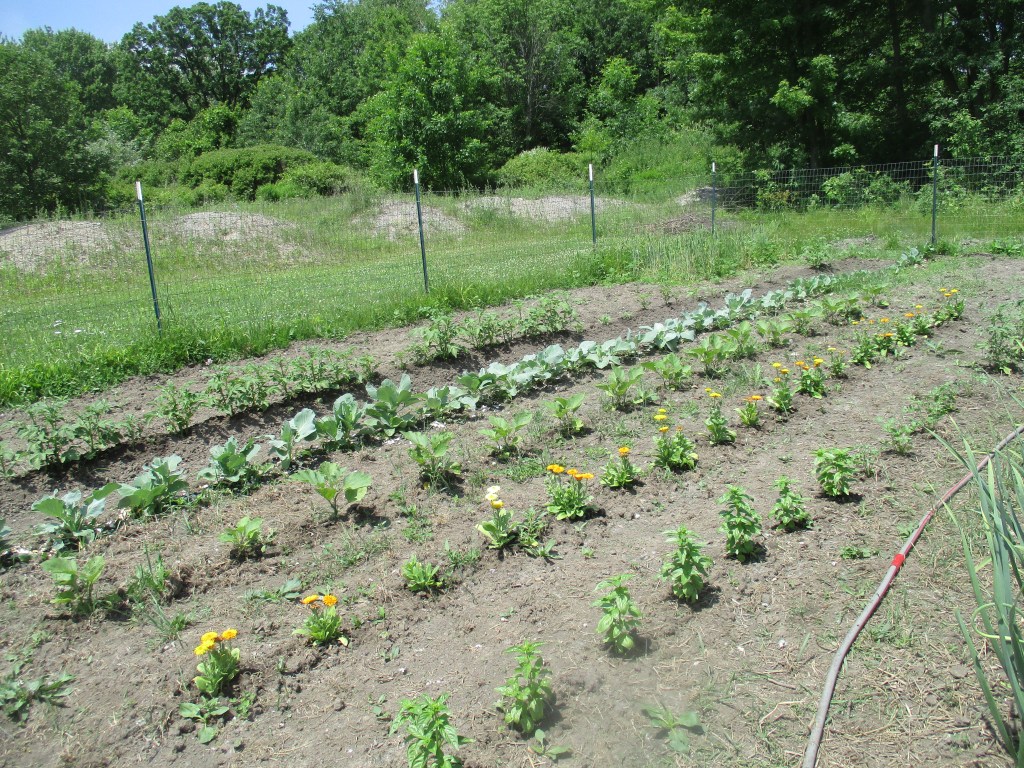
The above photo was taken as I enter the main garden and look to the north. Sweet corn, pie pumpkins, cantaloupes, tomatoes and three different types of squash are growing in this area.

The photo below is from the same spot looking to the south.

Pumpkins, cucumbers, hot peppers, sweet peppers, eggplant. tomatoes, okra, green beans, beets, swiss chard, and dill are growing on this side of the garden.
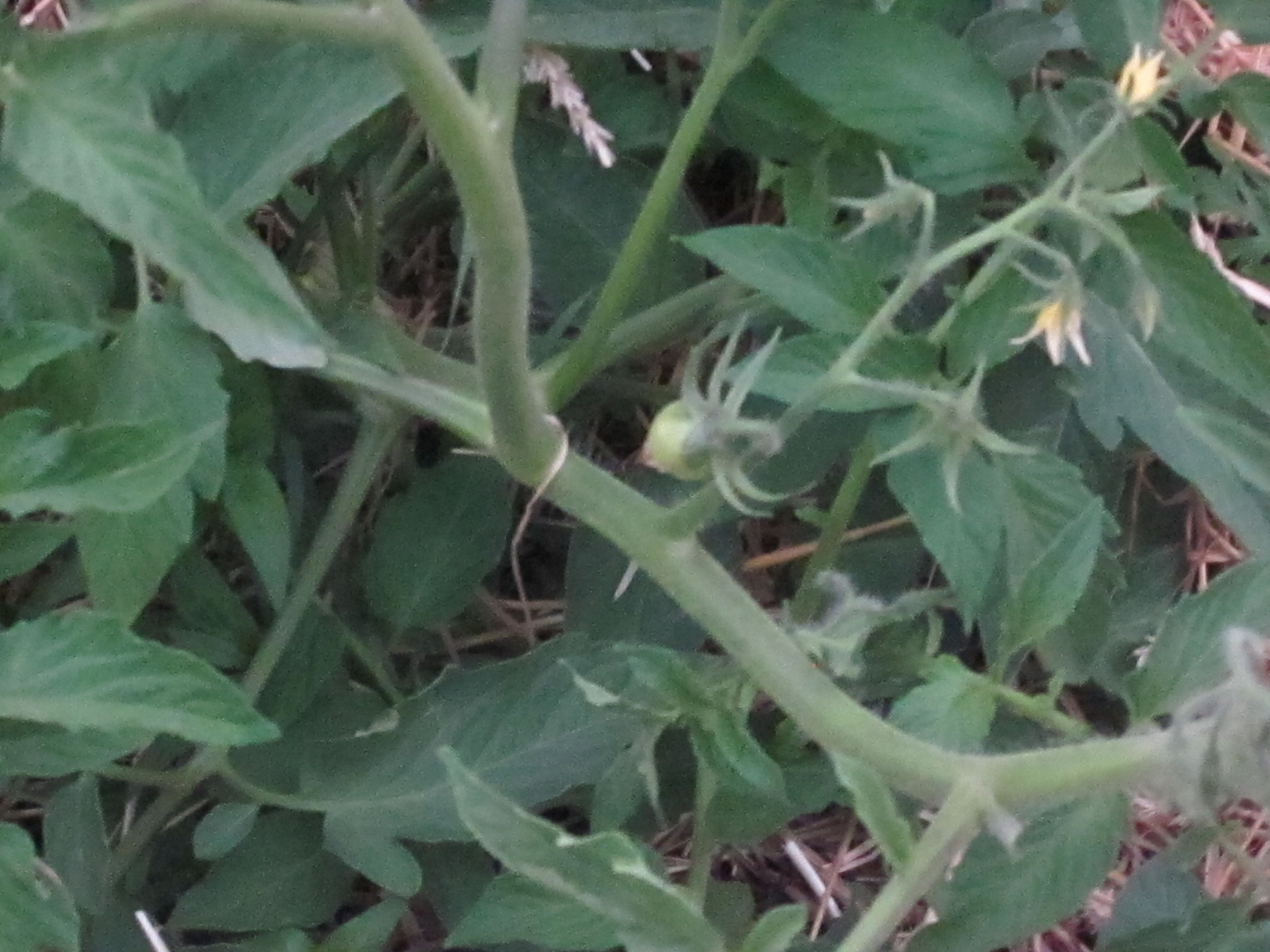
We have several varieties of tomatoes. Some have begun to blossom and make fruit.
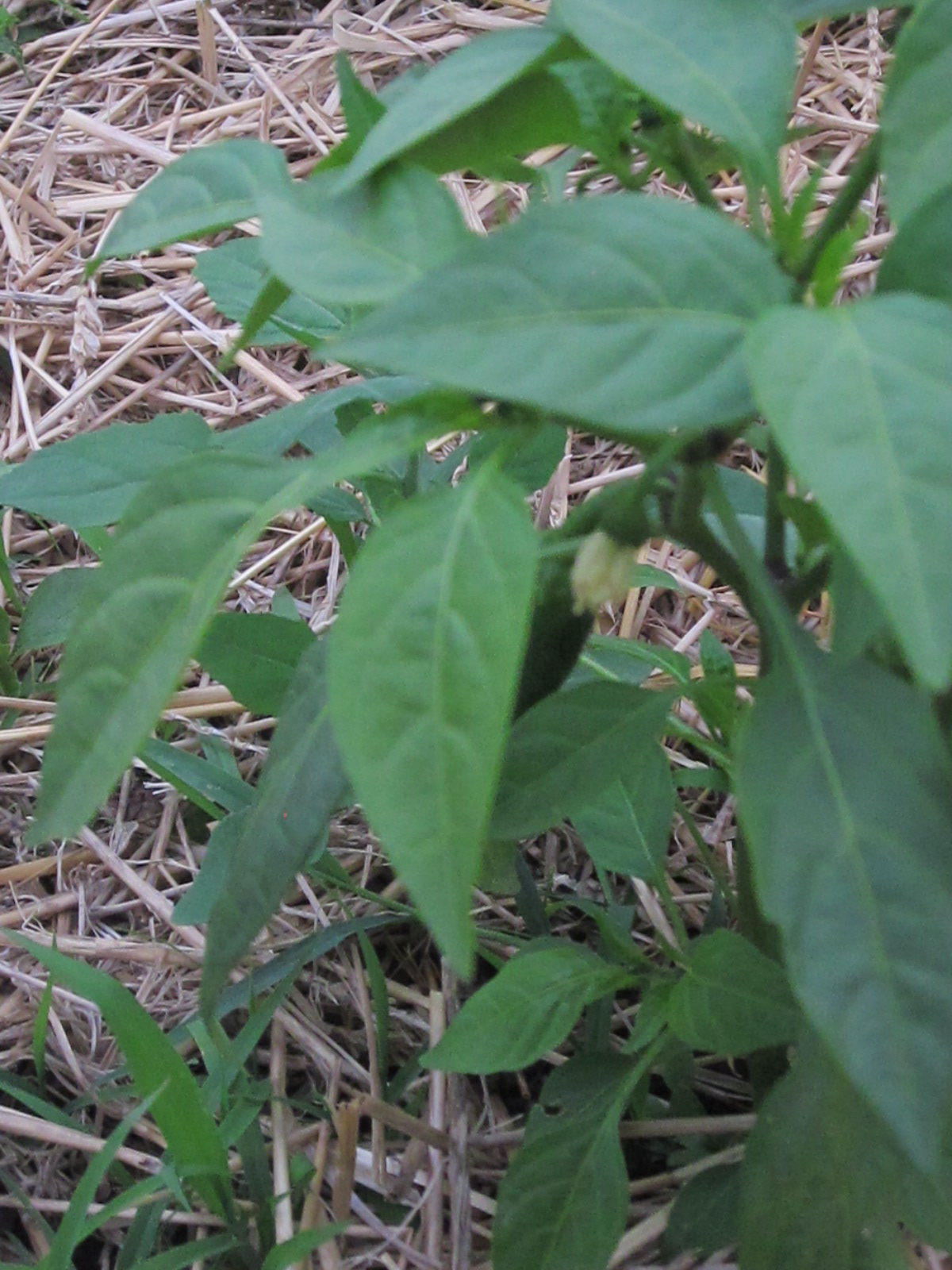
Jalapeno peppers are starting to bear fruit
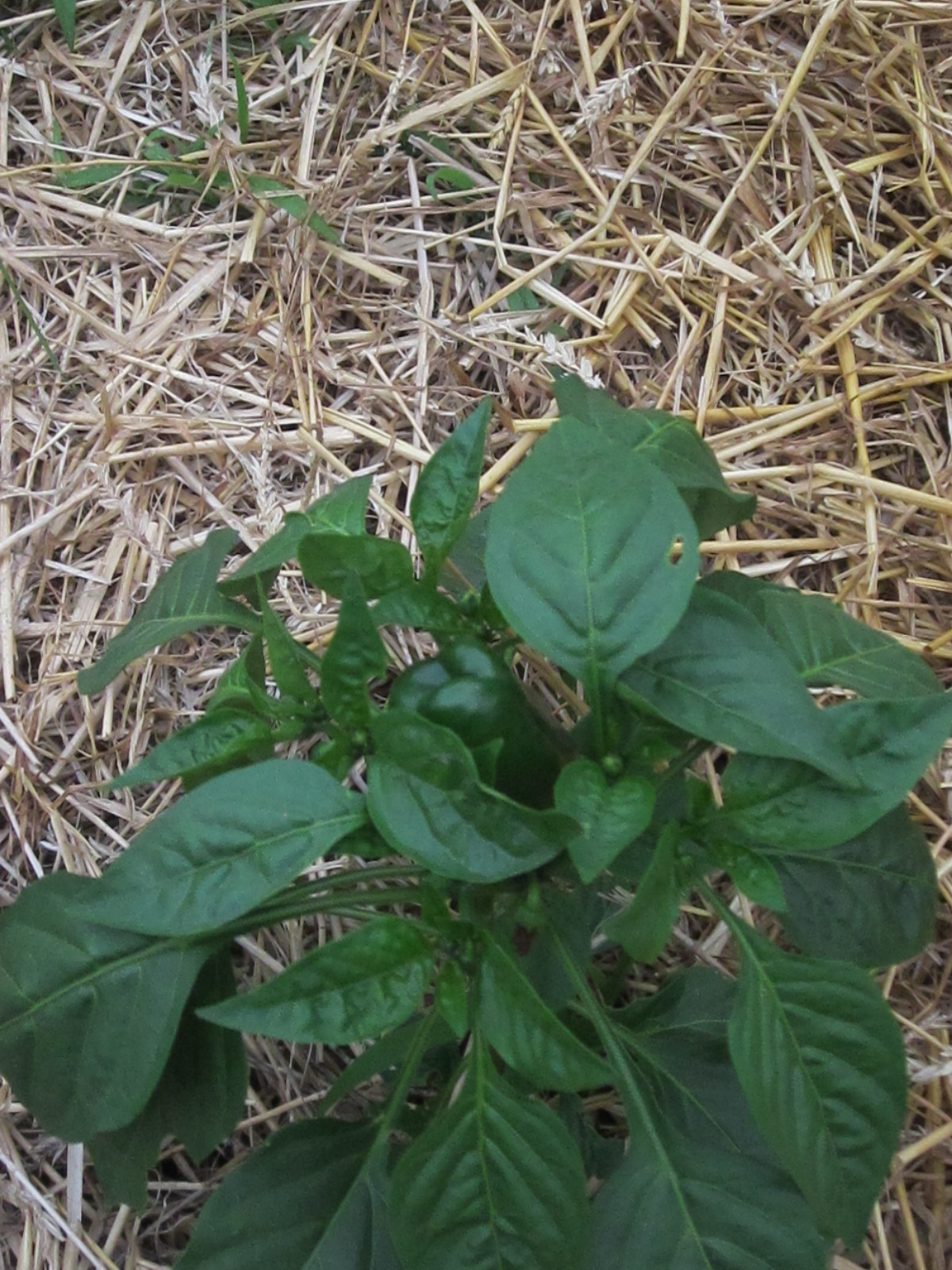
as are the bell peppers.

It will be a while before we are picking green beans (above) but just the thought of them makes my mouth water.

We also have sunflowers planted in several areas along the fence, some of which came up as volunteers.

Thanks for joining me for a garden tour. Are you enjoying any home grown produce or looking forward to doing so?
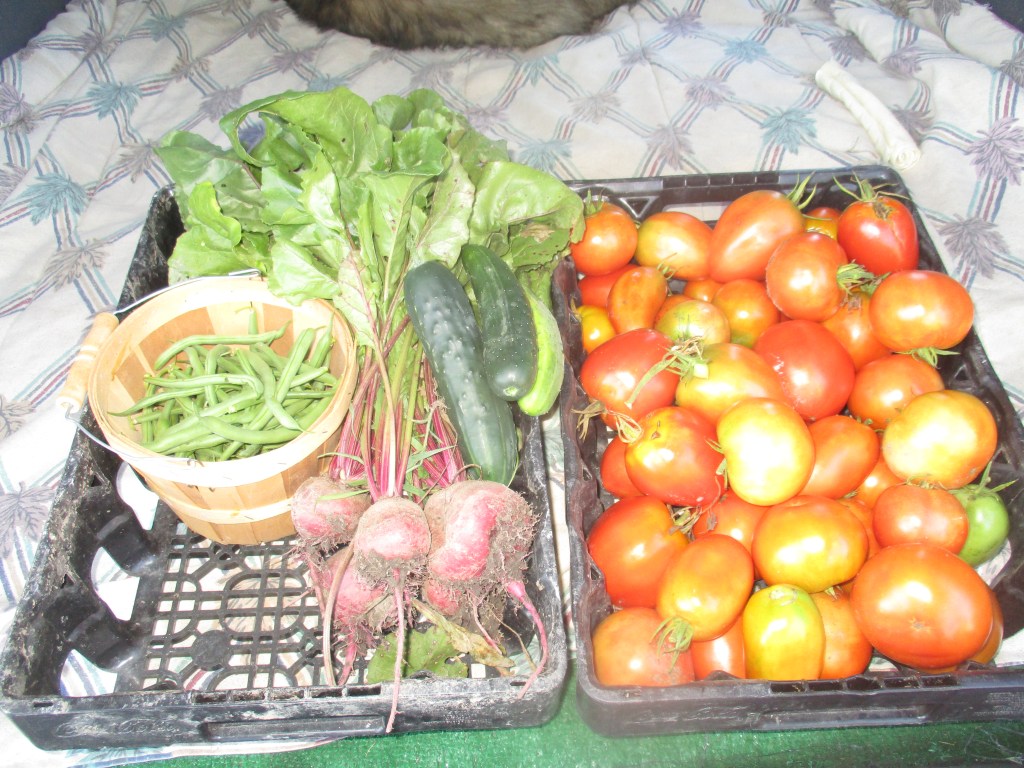
Yesterday’s Harvest

From the garden we harvested green beans, tomatoes, beets and cucumbers.

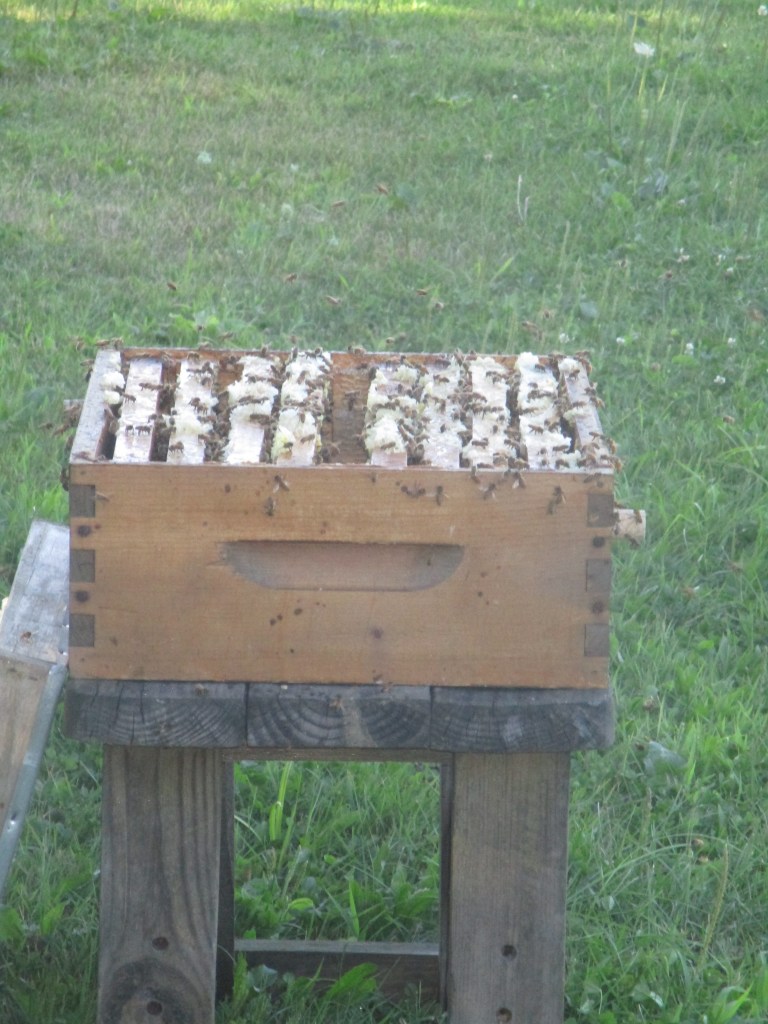
From one hive we harvested 8 frames of honey and wax. Now the bees are cleaning up the frames.

Honey is our oldest hen. She turned 7 this spring.

From the coop we collected 11 eggs. Only 8 of them made it home though. It seems that Ranger learned a new trick. He figured out how to steal eggs out of the egg basket. They didn’t break until he stepped on them. I’m not sure why he decided to take them – either he thought he had found a new toy or he was telling us he wanted to eat. Crazy Dog! LOL!

When The Rains Came

Much needed rain was in the forecast for Sunday night and throughout the day on Monday. We were becoming discouraged as we watched the radar and saw storms to the west fall apart as they crossed lake Michigan. Throughout these days the National Weather Service forecast also changed with chances of rain diminishing from a 70% chance of rain to only a 20% chance that we would get any.

We were so happy Monday evening when the rain started to fall. We had just come from the gardens where I had taken many pictures, that I used in my previous post, and we picked Swiss chard, beets and cucumbers.

As the rain poured down we sat on the barn porch and offered prayers of thanks.

It rained for about 30 minutes or so.

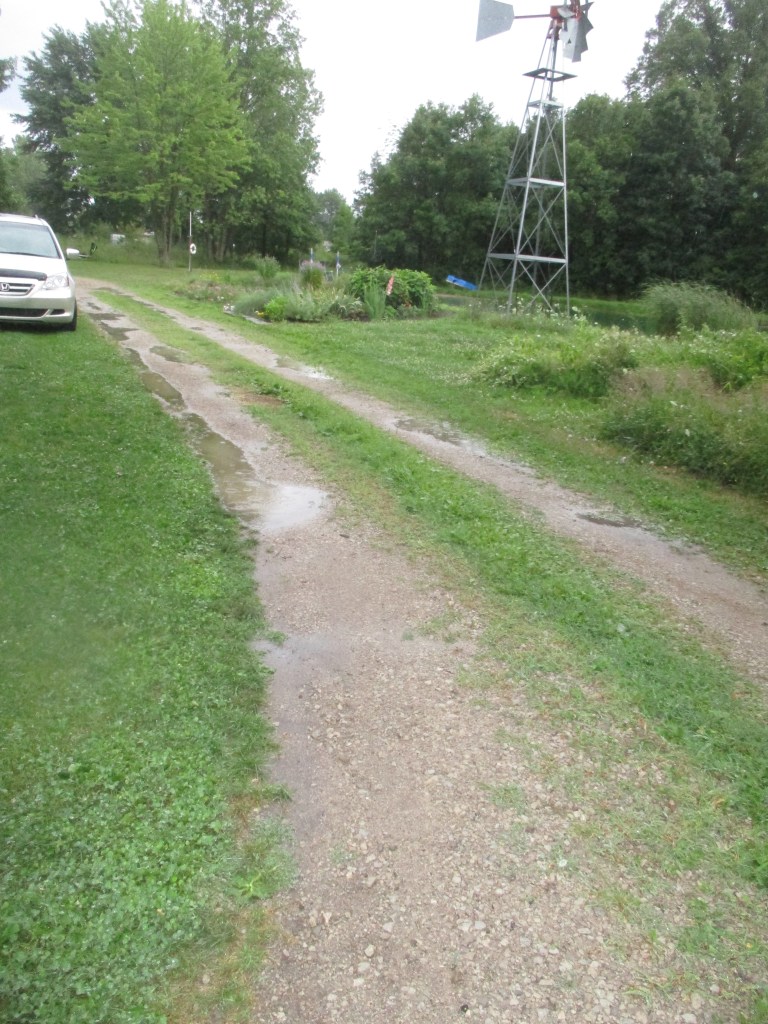
And by the time it was done we had puddles on the driveway.

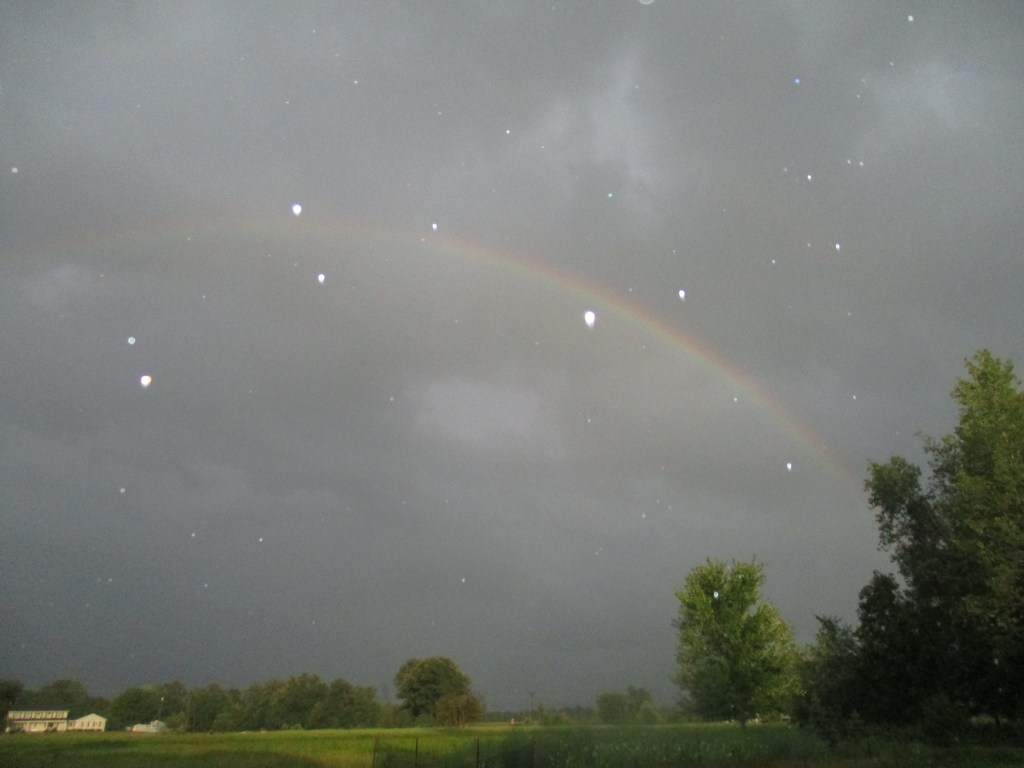
When the rain was coming to an end we looked to the east for a rainbow – the symbol of hope. The white spots are caused by rain drops. I know the one looks like the moon, but it is not.

It was a complete rainbow – I just couldn’t fit the entire thing in one photo.

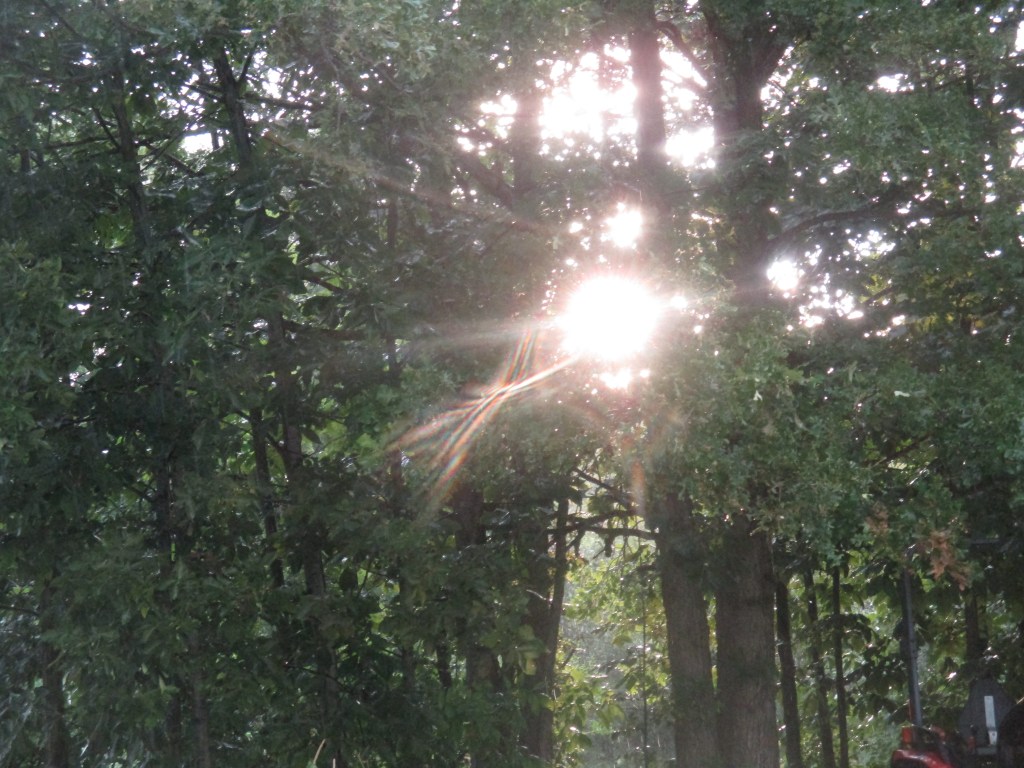
The sun was low in the sky as the clouds moved out.

We are so thankful for this life- sustaining rain.

Note: In the early morning hours of Wednesday we had more rain arrive. It started sometime before 3:30 A.M., when my husband got up to let Ranger out, and ended around 6:30 A.M. Our garden should not need to be watered for a while now. 🙂

How has you weather been this summer?

Dog Days Of Summer

According to almanac.com the dog days of summer run from July 3 through August 11 which is normally the hottest and most humid time of year in the northern hemisphere. Around here every day is a dog day. Just ask Ranger and Trooper. But, yes, the HEAT IS ON and it is accompanied by a dry spell so keeping the gardens watered has been the main focus for the past week or so. If you are curious about how we manage that on our off-grid farm you can check out our off-grid irrigation system here.

In the mean time I put together a collection of pictures that I’ve taken over about the past few weeks to share with you.

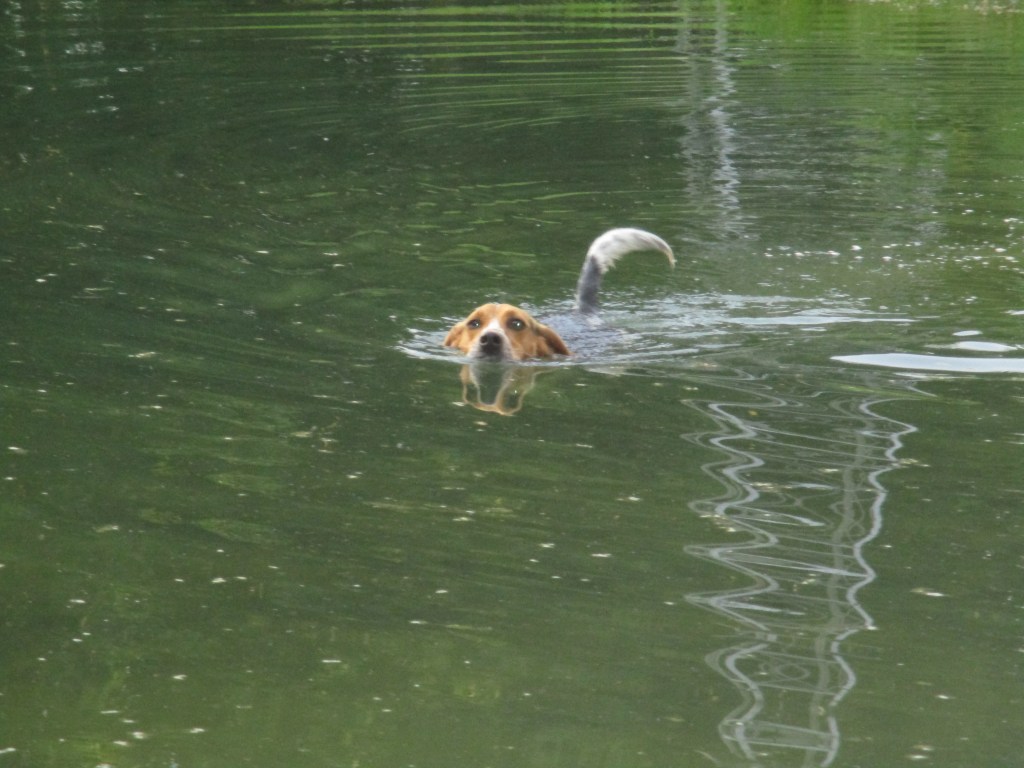
This is how Ranger cools off on these hot days. (Did you know beagles can swim?)

and Trooper enjoys laying on the beach after a swim in the pond.

The grandbabies love the water as much as the dogs do.

Dragonflies are yet another creature that appreciate the pond.

This one is drinking water from the sand. Check out the honey bee (on the left) that photo bombed this shot. She too was coming to the beach for a drink of water.

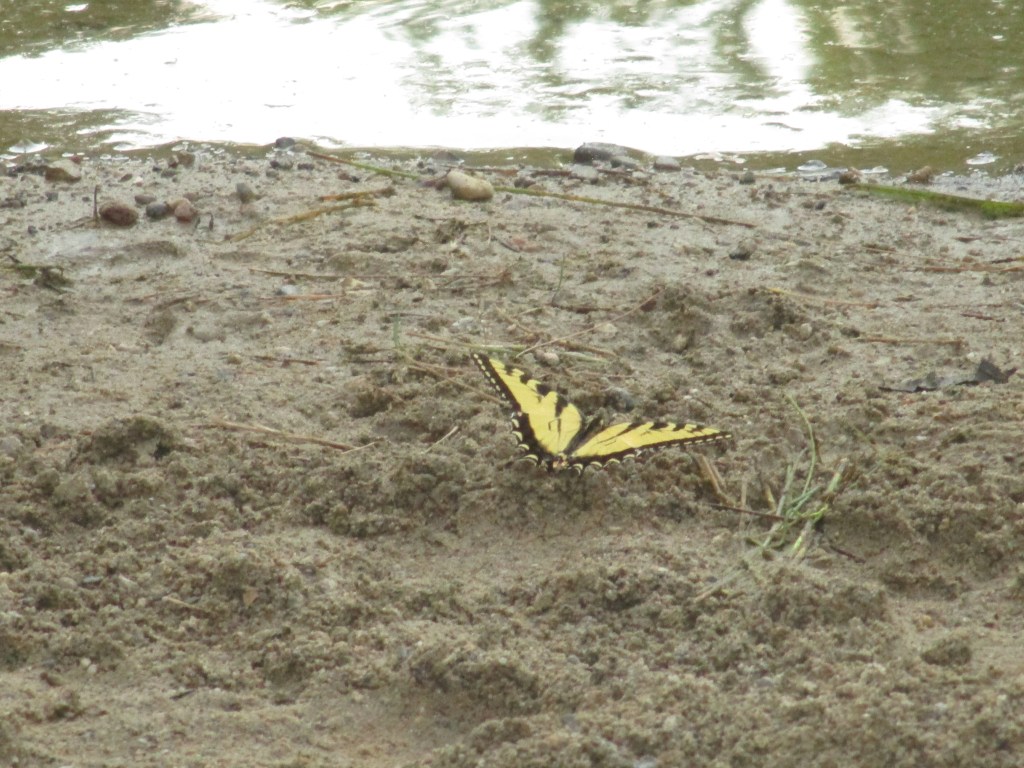
This beauty hung out with us on the beach, for a couple of hour yesterday evening, fluttering about and pausing now and then to rest or perhaps get a sip of water.

One last pond picture because we can never have too much cuteness. LOL.

Speaking of cuteness, here is a double dose – twins.

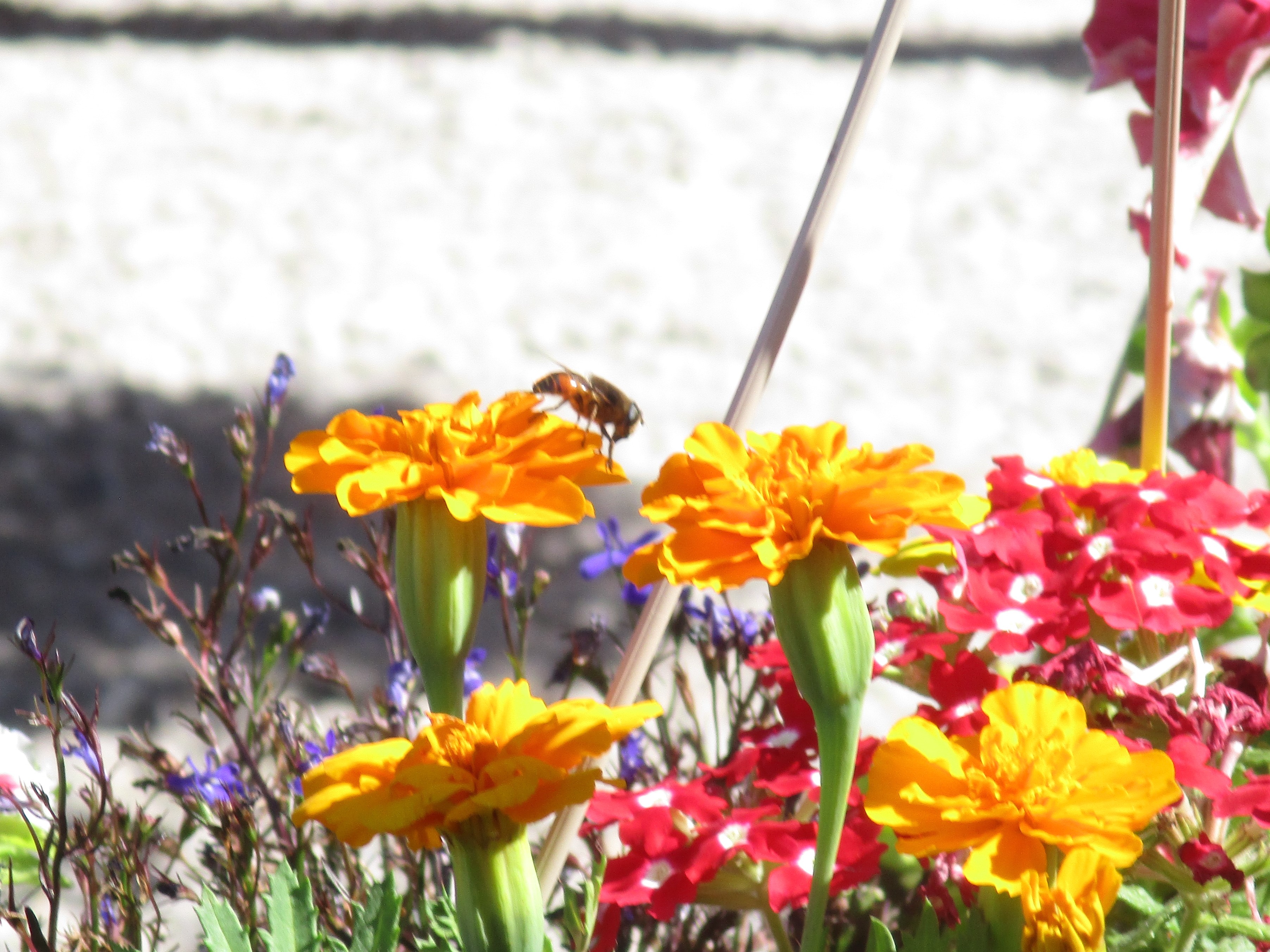
The lavender is gorgeous this year and the bees and butterflies are all over it.

We have transitioned from strawberry season to blueberry season. On the same day that my husband, and (daughter) Kara, picked the last of the strawberries, I took (daughter) Tina, and Jackson and Addy into the blueberry patch to pick the first ripe berries. While Kara took her 3/4 of a basket of strawberries home. Addy couldn’t wait, so she ate all of the blueberries we picked while they were still at the farm.

Start them off young – that’s my motto. They posed for a group photo then dad took Jackson and Addy, one at a time, for a ride on the tractor.

The garden is flourishing. I have harvested basil and calendula flowers twice so far.

We have green tomatoes, peppers starting to develop, blossoms on the eggplant,

blossoms on the green beans and the corn is knee high.

We cut garlic scapes (check out this post to learn more about scapes) about two weeks ago and will be digging garlic soon.

It seems that every summer our back field is dominated by different plants. This year it is full of clover and birdsfoot trefoil and I think it is just gorgeous. It’s also great bee food.

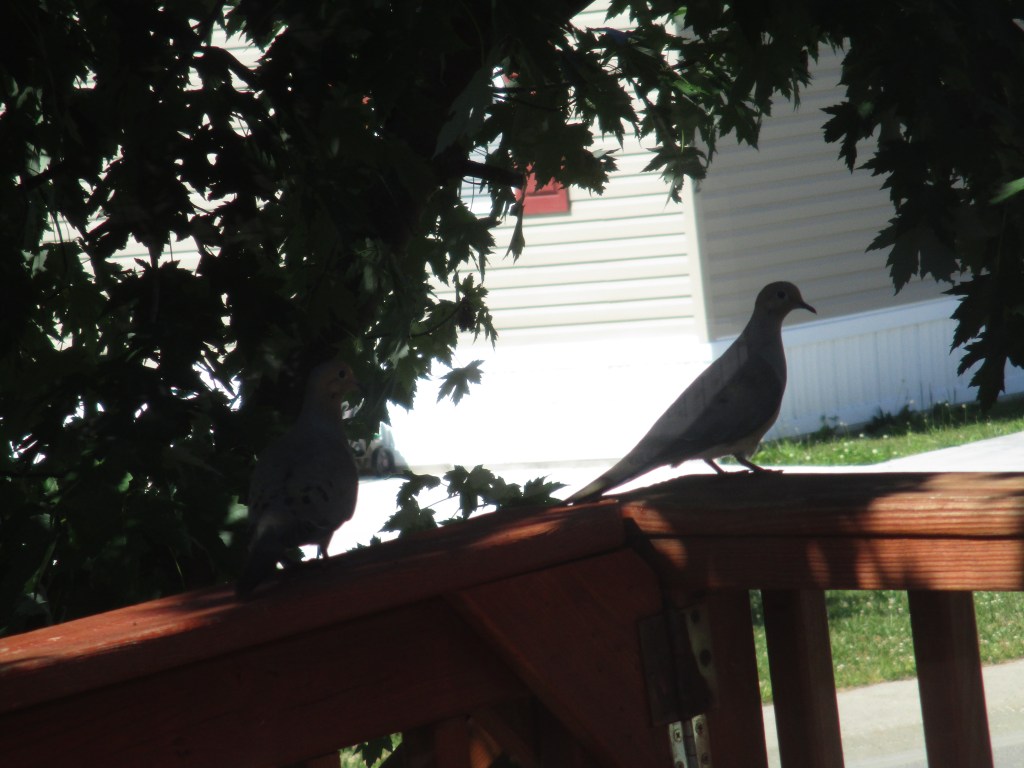
I’ll leave you with one last photo of this pair who stopped by our deck for a short visit last week. They were kind enough to stay so I could get a photo then they hurried on their way.

Thanks for visiting and remember – stay hydrated, breathe deep and stay well.

Are you having a heat wave?

To Save The Bees Part II (Revised)

IMG_5368In the origin Part II of this series, which was written in 2016, I wrote about planting 4 Basswood trees with the intention that they would grow and the blossoms would provide food for the bees. Despite our best efforts the trees did not do well and to date only two of the trees are struggling to survive.

I first thought I would just skip Part II and repost Part III in the series. Instead I decided to share my thoughts on a subject has been identified as contributing to the decline in bees/pollinators.

You have probably heard that insecticides, more specifically neonicotinoids, are thought to be partly to blame for the decline in bee/pollinator populations. It would the stand to reason that if our goal is to help save the bees then we should try to avoid use of these chemicals.

Repel Bugs Instead Of Poison Them

Here are a couple of ways to do that. The first is companion planting – that means to plant different types of plants together that support each other’s health and well being. This companion planting guide provides a chart that includes what plants will repel specific insect away from other plants which are susceptible.

The second is this homemade garden bug spray. Like companion planting this spray acts to repel insects rather than kill them. In the past we have tried various recipes for bug sprays – some work some don’t. Last year when I saw this recipe on 5 Acres and A Dream , a homesteading blog that I follow, I decided to try it. Two things that inspired me to try this recipe were first that it was easy to make with simple ingredients – mint, garlic, cayenne and a few drops of biosafe dish soap (see link for complete recipe). The second was Leigh’s (author of 5 Acres and A Dream) testimony that it worked for her.  I am not sure of all the bugs that it is effective against but in our experience it worked well against aphids and some other, unidentified, bugs. Leigh says it saved her cabbage and basil plants from whatever was eating them.

Know What You Are Buying

The other thing regarding insecticides that I wanted to bring to your attention, for those who might be purchasing plants from a greenhouse or garden center, is that the plants may have already been treated with neonicotinoids. Since it is not required that treated plants be labeled as such, it is best to ask if they have. While I generally promote shopping local and supporting small businesses, it is probably worth mentioning that two large retailers in the USA, Home Depot and Lowe’s, had planned to stop selling treated plants by 2018-2019. According to this article Home Depot seems to have largely followed through with their plan. (I have not yet been able to find evidence that Lowe’s has done so.)

Of course there is always the option of starting your own plants from seed rather than buying plants and that is what we plan to do more of this year.

Have you ever done companion planting? Do you have any tried and true methods for repelling insects?

Thanks for reading and be on the look out for Part III of this series (Planting For Bees).